sciencedaily.com /1 week ago

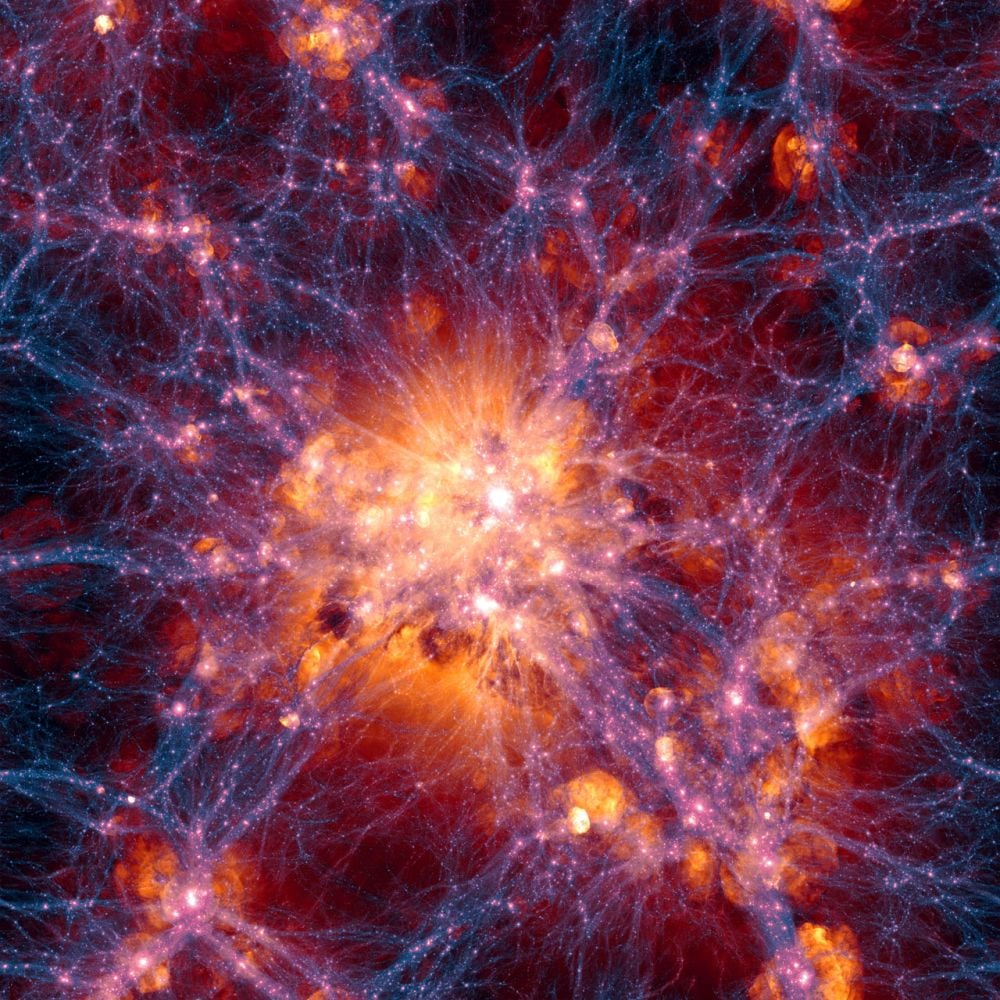
A massive new simulation reveals how the universe emerged from darkness

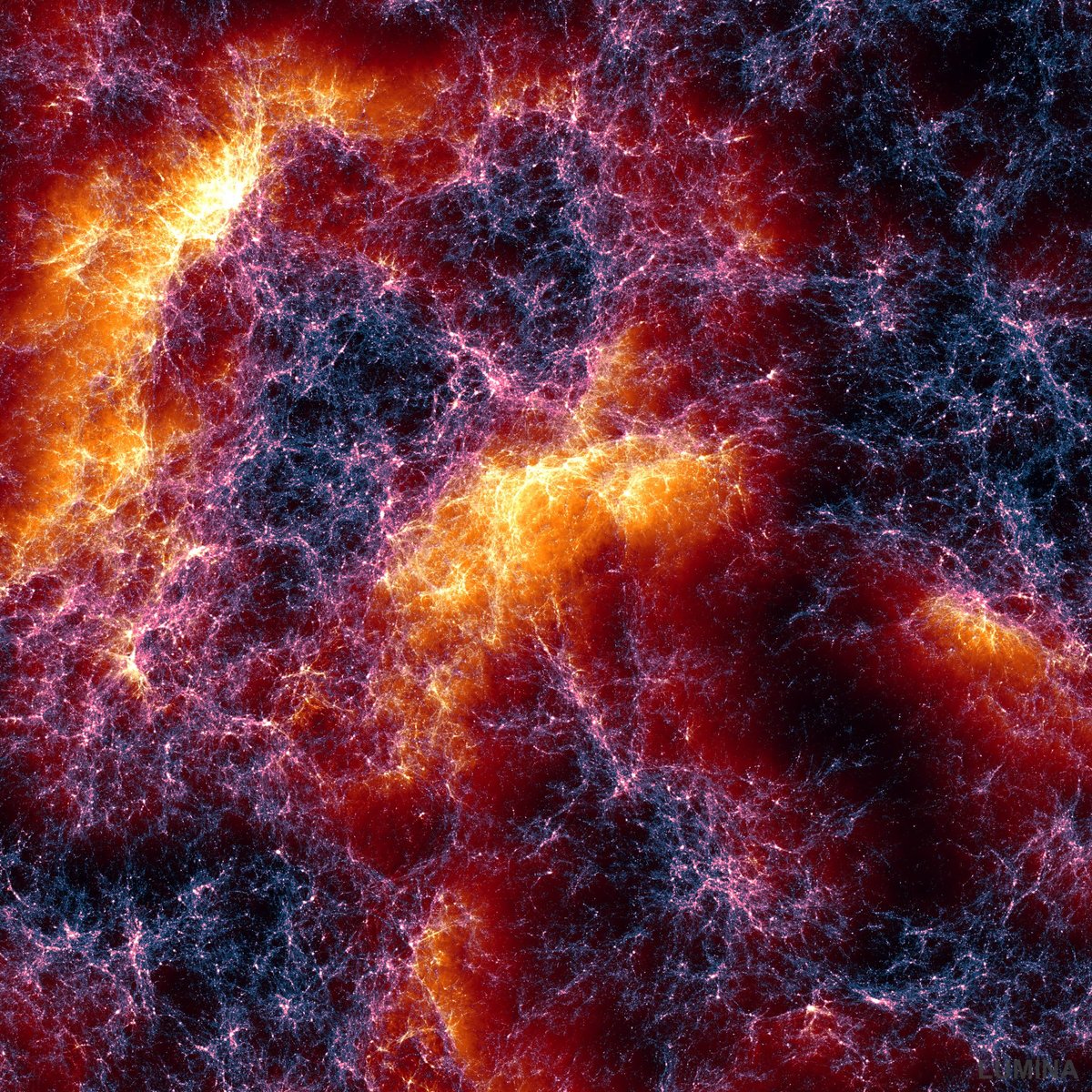
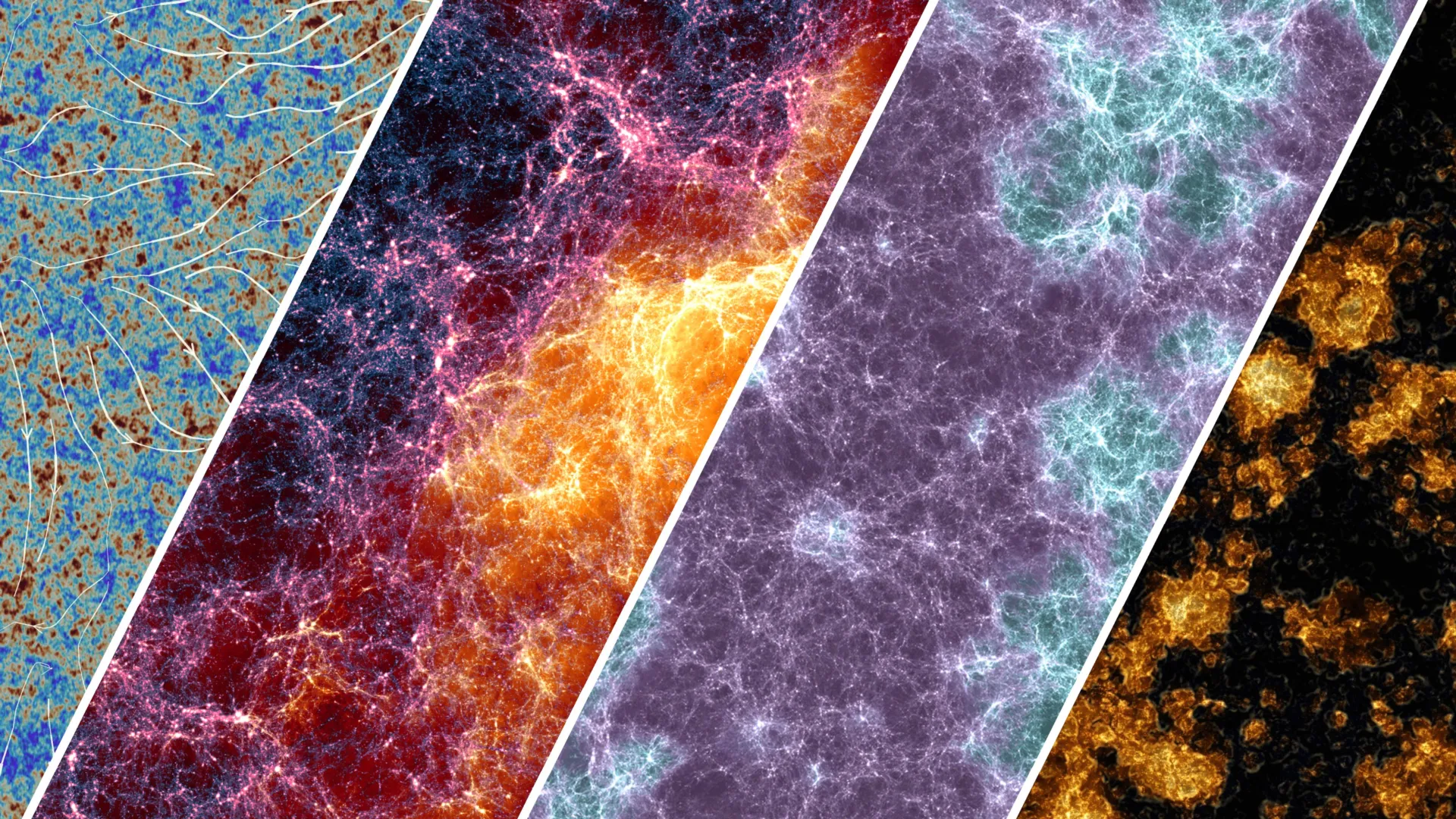
A groundbreaking new supercomputer simulation is revealing how the universe escaped its cosmic dark age and transformed into a cosmos filled with stars and galaxies. Called Lumina,...

Read source
nytimes.com /3 weeks ago

Gaze at the Cosmic Dawn in Dizzying Detail

A new simulation offers a highly immersive look at what happened during the first couple of billion years following the Big Bang.

Read source
webwire.com /3 weeks ago

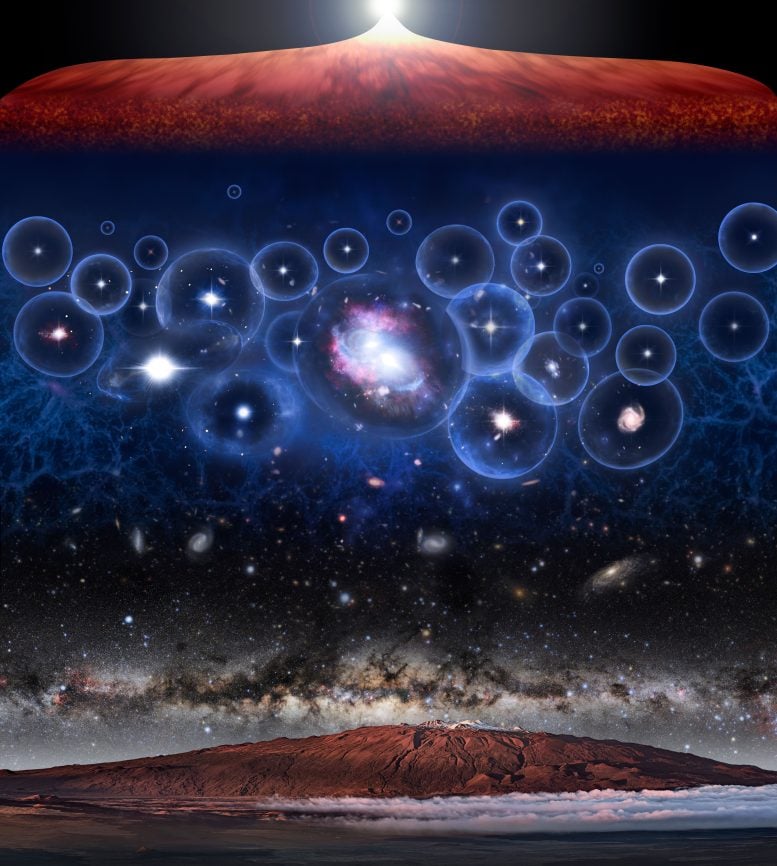
Watch the universe emerge from the dark ages, with Lumina

With the Big Bang, the universe burst into existence as a hot and dense soup of electrons and subatomic particles. This primordial ionized plasma, initially smaller than a single a...

Read source
discovermagazine.com /2 weeks ago

New Lumina Simulation Reveals How the Early Universe Emerged from the Cosmic Dark Ages 

Learn how a new computer simulation is helping researchers unravel the early universe's mysteries.

Read source
scientificamerican.com /1 week ago

Record-breaking simulation sheds light on cosmic ‘dark ages’

Lumina, a huge computer model laden with complex astrophysics, is giving scientists a breathtaking virtual view of the young universe

Read source
universetoday.com /1 month ago

How the Infant Universe Got Its First Heavy Elements

Way back in the earliest epochs of the Universe, the Big Bang was followed by a period called the Cosmic Dark Ages. It was a time when the cosmic soup of primordial particles was s...

Read source
phys.org /3 weeks ago

Cosmic microwave background offers evidence of gas flowing in galaxy clusters

The cosmic microwave background (CMB) is a faint glow in the universe dating back to roughly 380,000 years after the Big Bang, long before stars or galaxies emerged. Detecting this...

Read source
phys.org /1 month ago

New simulations connect the first stars to cosmic fingerprints still visible today

Researchers have used some of the most detailed simulations yet of the early universe to investigate how the first stars and galaxies formed. Led by researchers at the University o...

Read source
scitechdaily.com /1 week ago

James Webb Discovers a Nearly Pristine Galaxy From the Dawn of the Universe

A galaxy seen 13 billion years ago has just 1/240th the Sun’s oxygen abundance, offering a rare glimpse of what the ancestors of the Milky Way’s faintest neighbors may have looked...

Read source
phys.org /2 weeks ago

A cosmic 'leaf blower': Light-propelled winds help explain early universe's bright galaxies

When astronomers looked at photos of the early universe taken by the James Webb Space Telescope, they found something odd: an overabundance of bright galaxies. Based on what they k...

Read source
phys.org /3 weeks ago

Lumina simulation brings the early universe to life on a record-breaking scale

The James Webb Space Telescope (JWST) and Nancy Roman Space Telescope are revealing the universe's earliest chapters in detail. To help astronomers understand what they are seeing,...

Read source
universetoday.com /2 weeks ago

A Mighty Wind Blew Away Gas and Made Early Galaxies Brighter

When astronomers looked at photos of the early universe taken by the James Webb Space Telescope, they found something odd: an overabundance of bright galaxies about 400 to 500 mill...

Read source
universetoday.com /3 weeks ago

Unveiling Starbirth Mysteries

In 1985, the physicist Heinz R. Pagels wrote, "Stars are like animals in the wild. We may see the youung, but never the actual birth, which is a veiled and secret event." In the de...

Read source
phys.org /5 days ago

Euclid's H-alpha observations map where stars form in distant galaxies

Euclid was launched into space in July 2023 to explore two of astronomy's biggest mysteries: dark matter and dark energy. The space telescope's first major data release covers some...

Read source
universetoday.com /1 week ago

Dense Galaxy Clusters Foster Mechanisms That Throttle Star Formation

The Cosmic Noon was when the Universe's Stelliferous Era Began, and star formation was prodigious during that epoch. But since then, star formation has slowed to a relative crawl,...

Read source
universetoday.com /1 month ago

New Simulations Connect the First Galaxies to the Universe We See Today

In a recent study, researchers at the international MEGATRON project used some of the most detailed simulations of the early Universe to investigate how the first stars and galaxie...

Read source
scitechdaily.com /3 weeks ago

Hubble Finds a Stunning Twist in How the Universe Emerged From Darkness

Hubble observations of nearby starburst galaxies challenge the idea that supernova winds helped reionize the early universe, suggesting young stars may have enabled radiation to es...

Read source
sciencealert.com /1 month ago

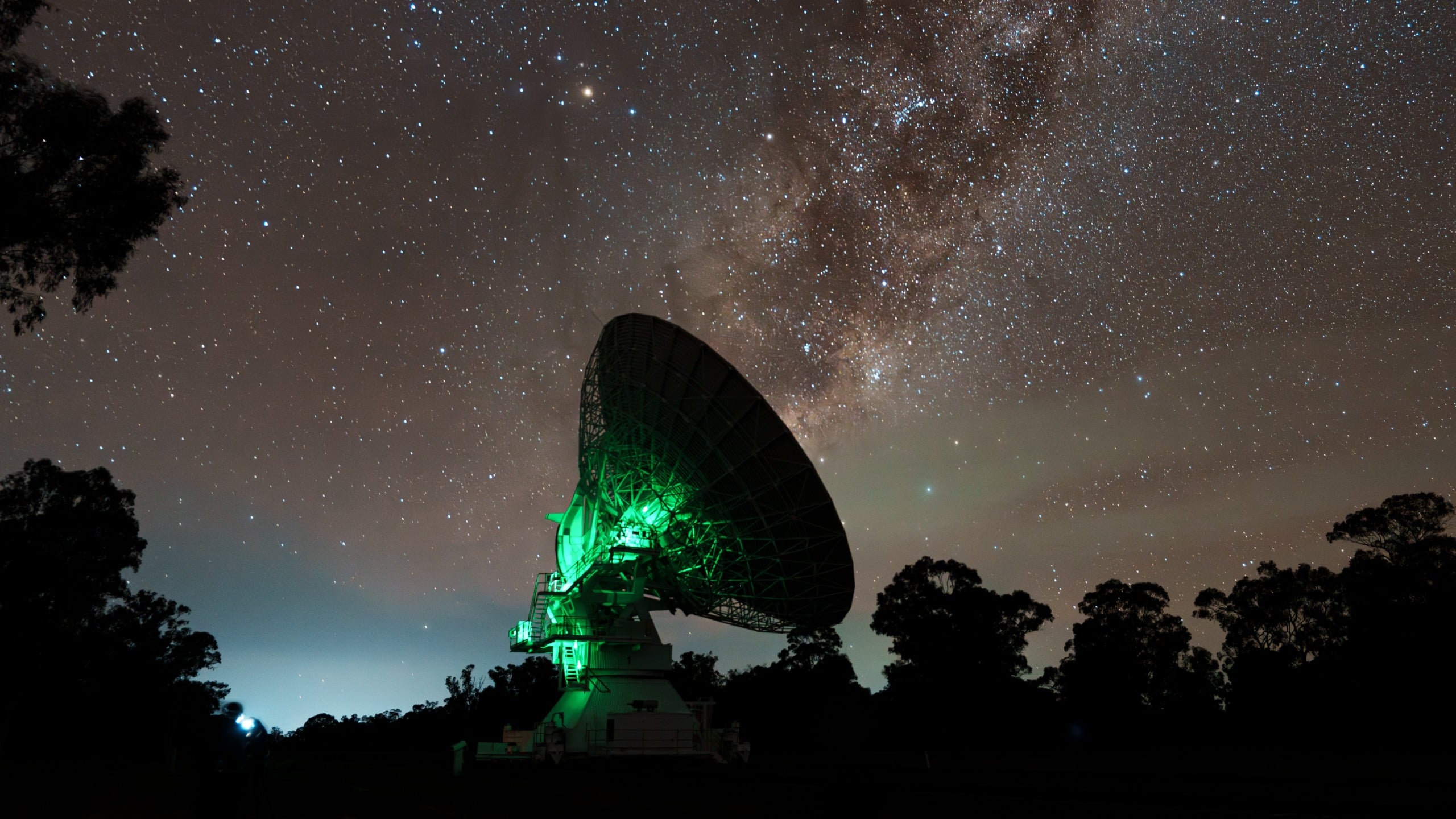
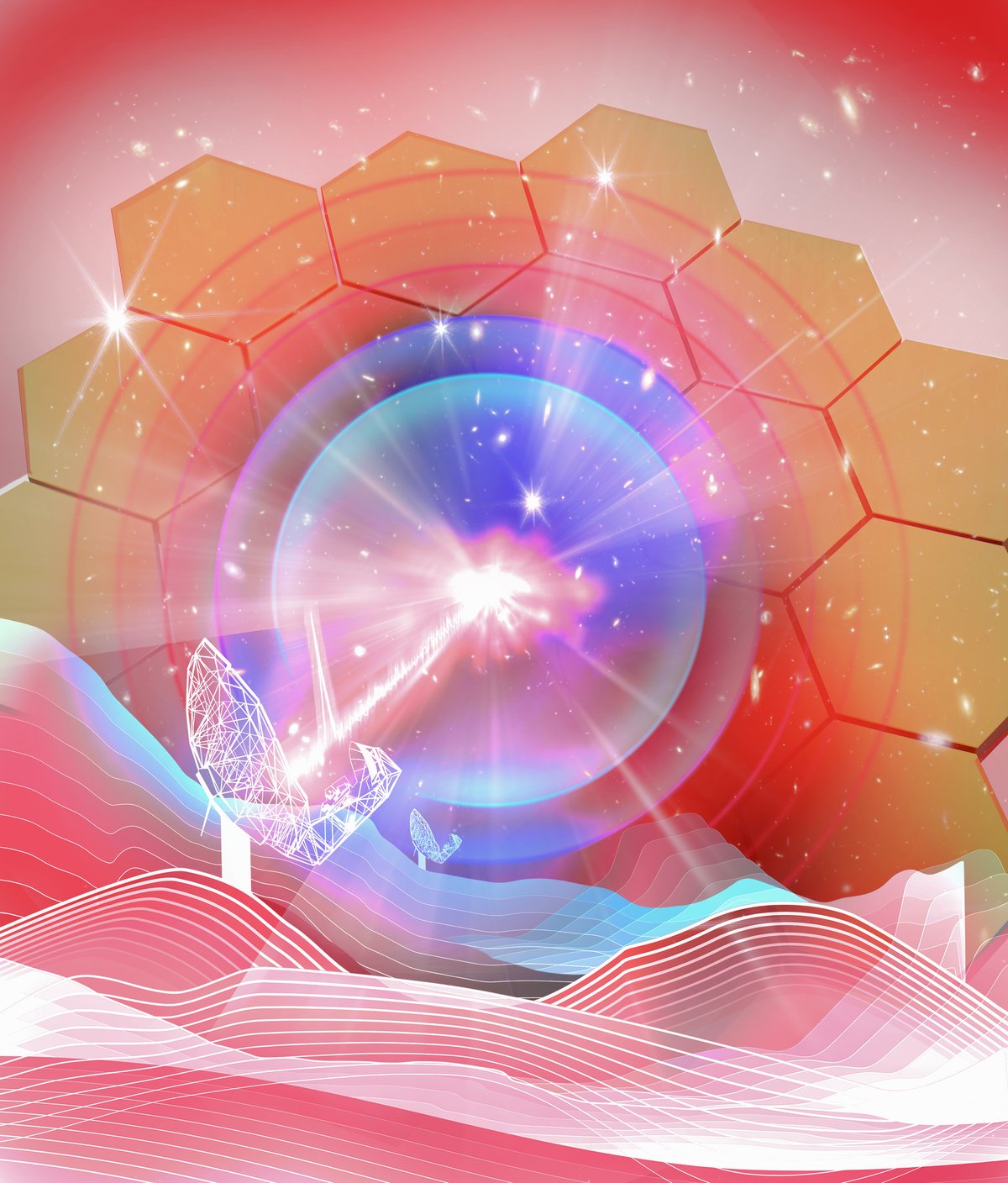
A Mysterious Signal Reached Us From When The Universe Was Just 3 Billion Years Old. Its Home Galaxy Surprised Astronomer...

(Mulgore/500px Plus/Getty Images)

Read source
scientificamerican.com /1 month ago

Astronomers discover record-breaking ancient cosmic outburst

Detected by the MeerKAT array, this “fast radio burst” comes from three billion years after the big bang and could help map the universe’s otherwise-invisible intergalactic matter

Read source
universetoday.com /4 days ago

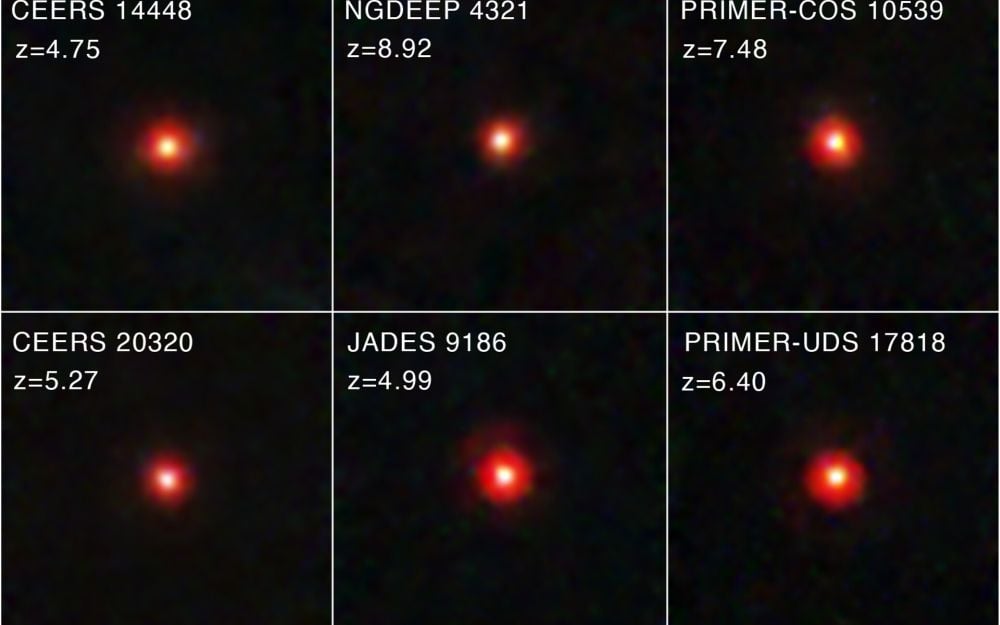
Computer Simulations Provide the Best Explanation for Those "Little Red Dots" Yet!

Tiny ‘Little Red Dot’ galaxies found by the James Webb Space Telescope are revealed to be the remnants of supermassive primordial stars surrounded by dense gaseous envelopes.

Read source
scitechdaily.com /4 days ago

Scientists Discover Two Monster Black Holes at the Dawn of Time That Shouldn’t Exist

A rare cosmic discovery offers new clues about how early galaxy interactions may have fueled the rapid growth of supermassive black holes. Astronomers have discovered two enormous...

Read source
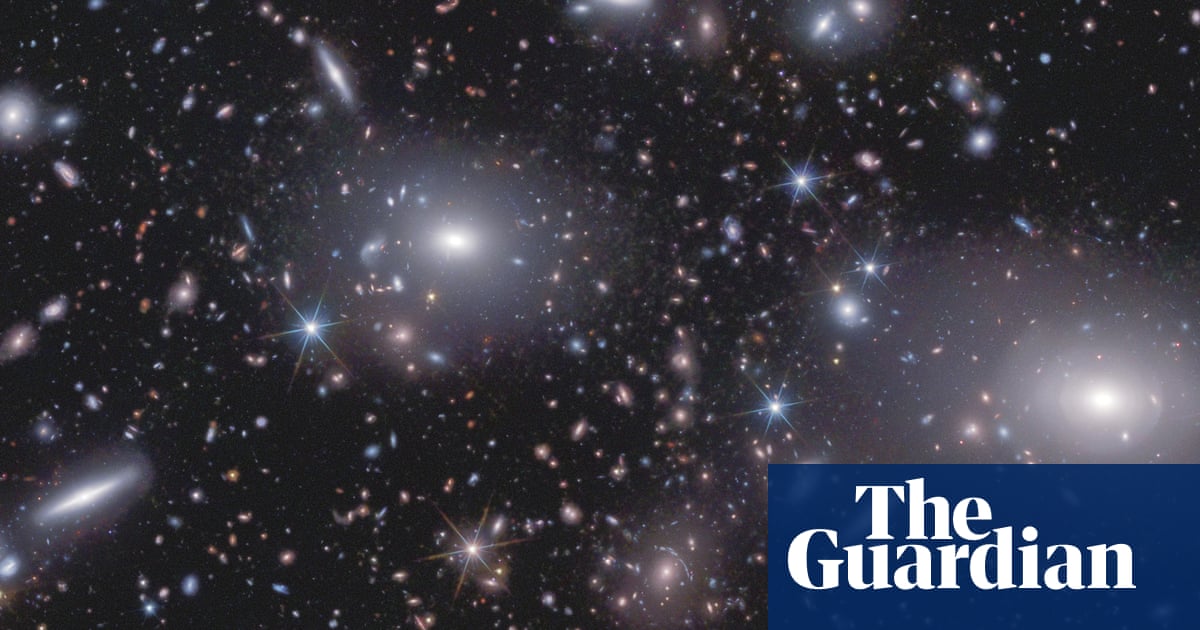
theguardian.com /1 week ago

European survey reveals 900m galaxies – and possibly secrets of ‘dark universe’

Unprecedented view of cosmos provided by Euclid mission throws up many more cases of gravitational lensingA mission to create the largest ever 3D map of the universe has revealed m...

Read source
phys.org /1 month ago

JWST finds early galaxies were already seeding the universe with heavy elements

When the universe was still in its infancy—only 500 million years after the Big Bang, or about 3% of its current age—some of the universe's earliest stars and galaxies had already...

Read source
phys.org /2 weeks ago

A tiny shift exposes a cold brown dwarf masquerading as an early galaxy

A faint red object spotted by the James Webb Space Telescope originally appeared to offer a possible glimpse of the universe's first galaxies. But images taken about 3½ years apart...

Read source

Turn fresh research into a full content calendar

Use SocialBu to discover ideas, generate post drafts, and schedule them across your social channels.