SNAP optics could speed up optical communications
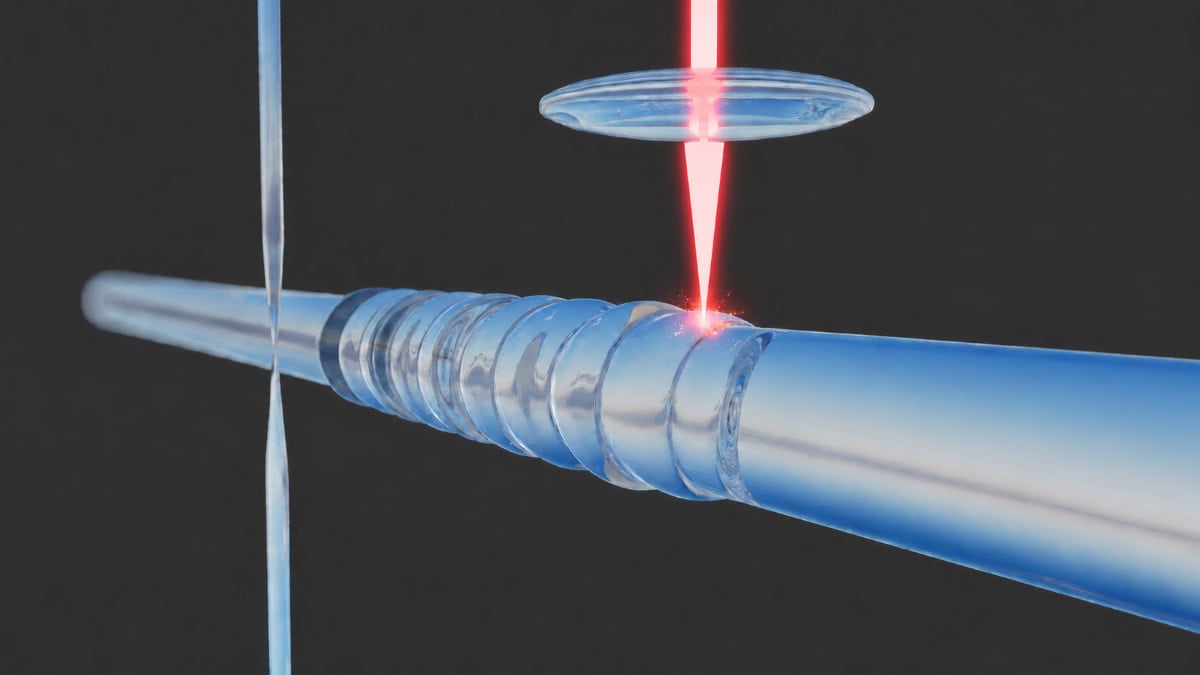
Microscopic structures created on the surface of optical fibres could ease light transmission through fibre-optic networks The post SNAP optics could speed up optical communication...
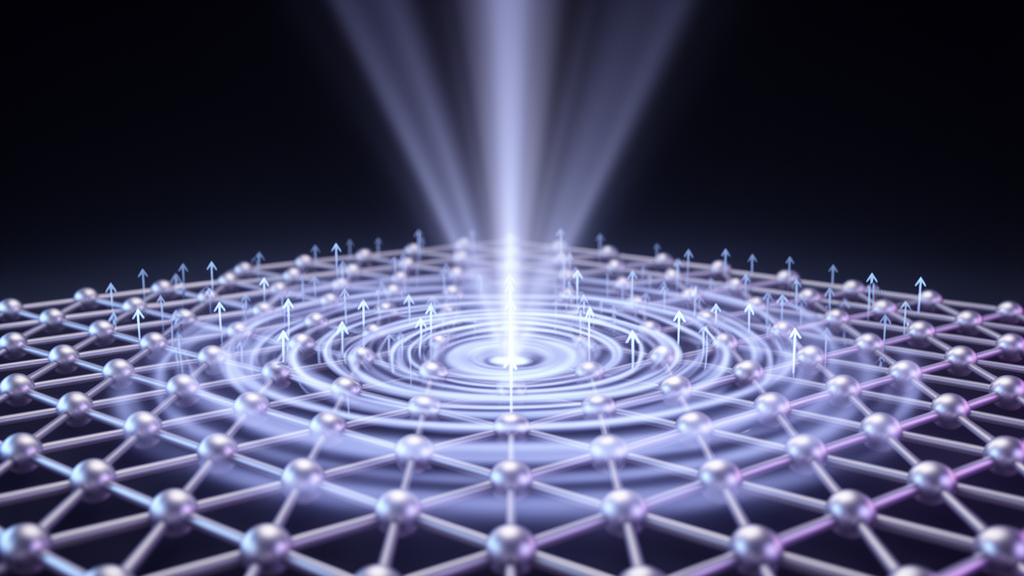
X-ray experiments at SwissFEL reveal that magnons in copper oxide survive surprisingly long before handing their energy to the crystal lattice, a finding that could shape future sp...
Researchers developed CGMap, an interpretable graph-learning framework that prioritized 70 reliable cancer gene candidates across multiple biomolecular networks in a pan-cancer ana...
by Xiong Li, Dongding Wu, Yuejin Zhang, Min Chen, Chong Liu Cell-cell communication is essential for tissue homeostasis and disease-associated microenvironment remodeling. Spatial...
A new computational approach reveals how cells communicate to assemble into tissues. This could accelerate stem cell engineering, improve disease models, and inform therapies.
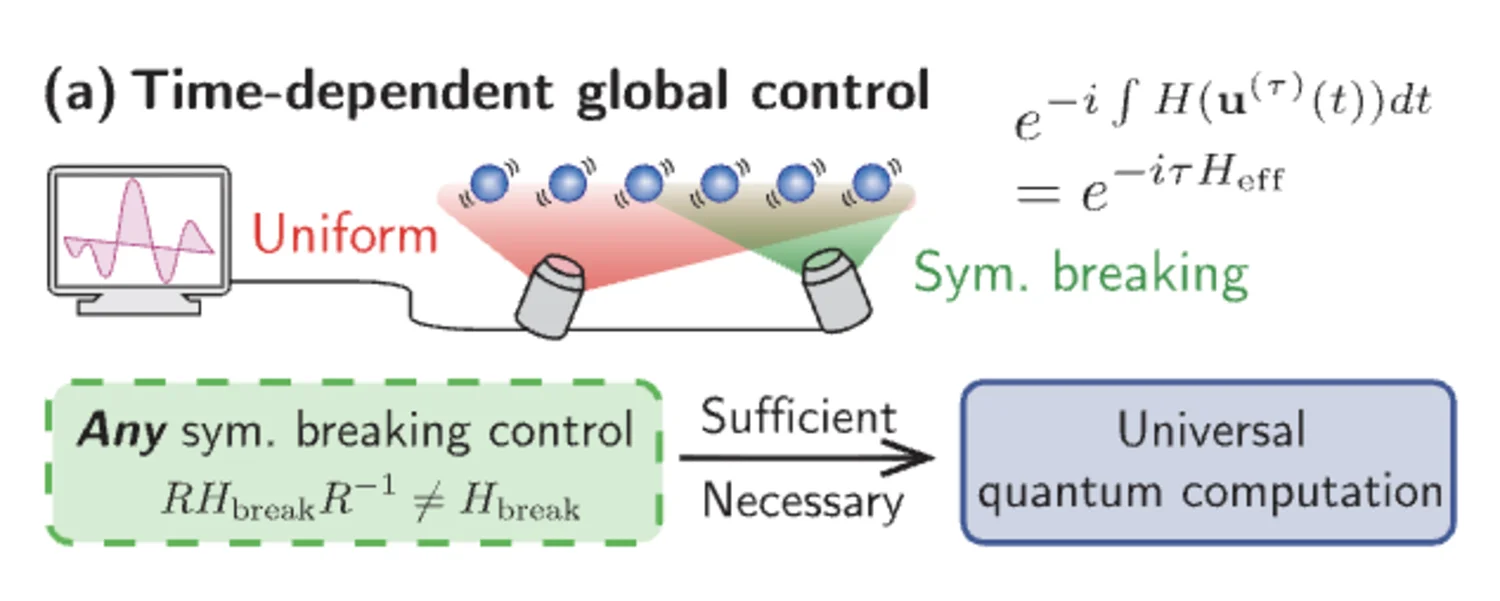
Insider Brief PRESS RELEASE — A new theory identifies what globally driven quantum systems need to become fully controllable. In a Rydberg-atom experiment, optimized pulses also cr...
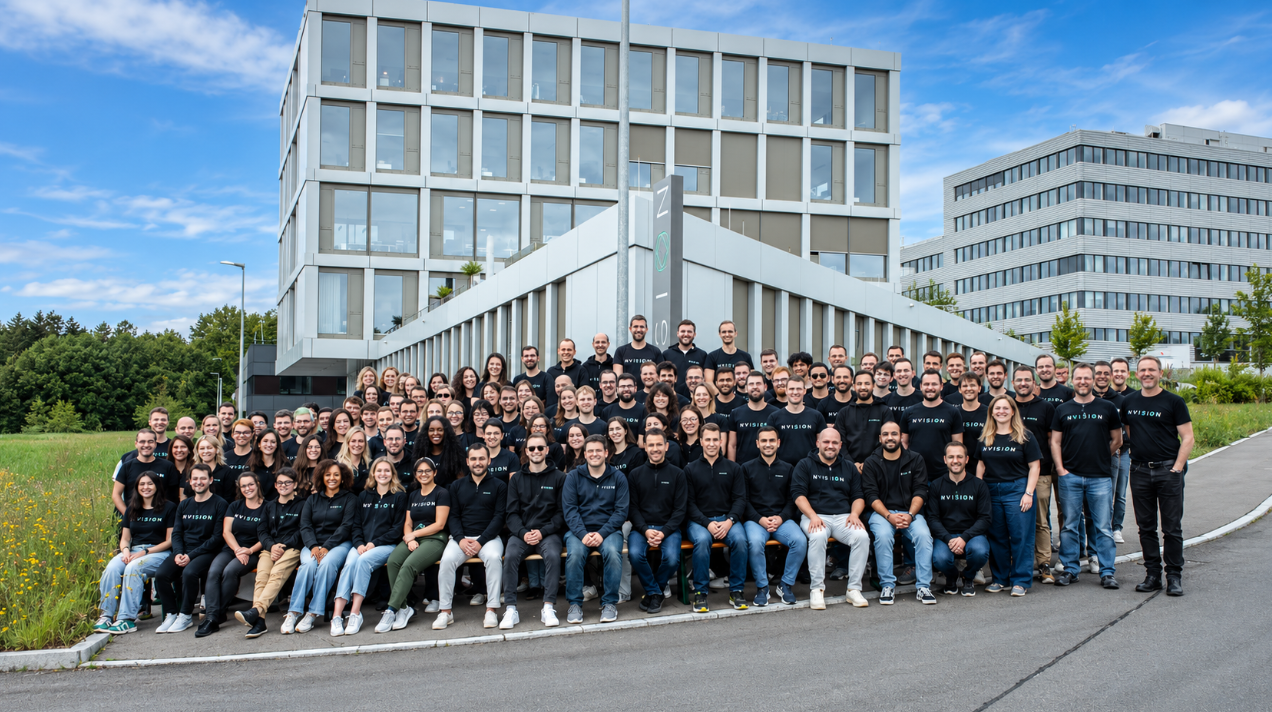
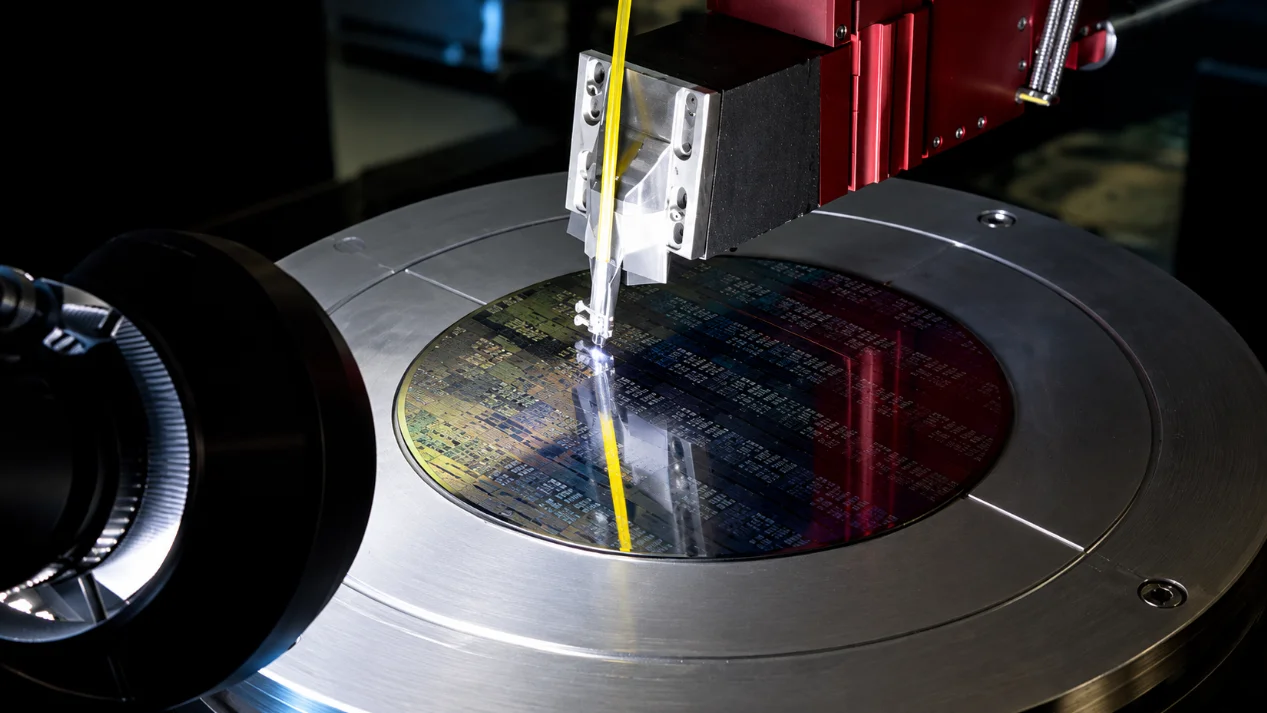
Insider Brief PRESS RELEASE — NVision, a quantum technology company, announced the publication of landmark peer-reviewed research in Nature and a strategic partnership with HyperLi...
Insider Brief PRESS RELEASE — Xanadu Quantum Technologies Limited (“Xanadu”; NASDAQ/TSX: XNDU), a leading photonic quantum computing company, in collaboration with HyperLight Corpo...
Newly predicted magnetophononic polaritons could enable ultrafast, light-controlled topological switches.
Insider Brief PRESS RELEASE — Quantum information systems could one day shape everyday life through faster computing and more secure communication. A new result from the U.S. Depar...
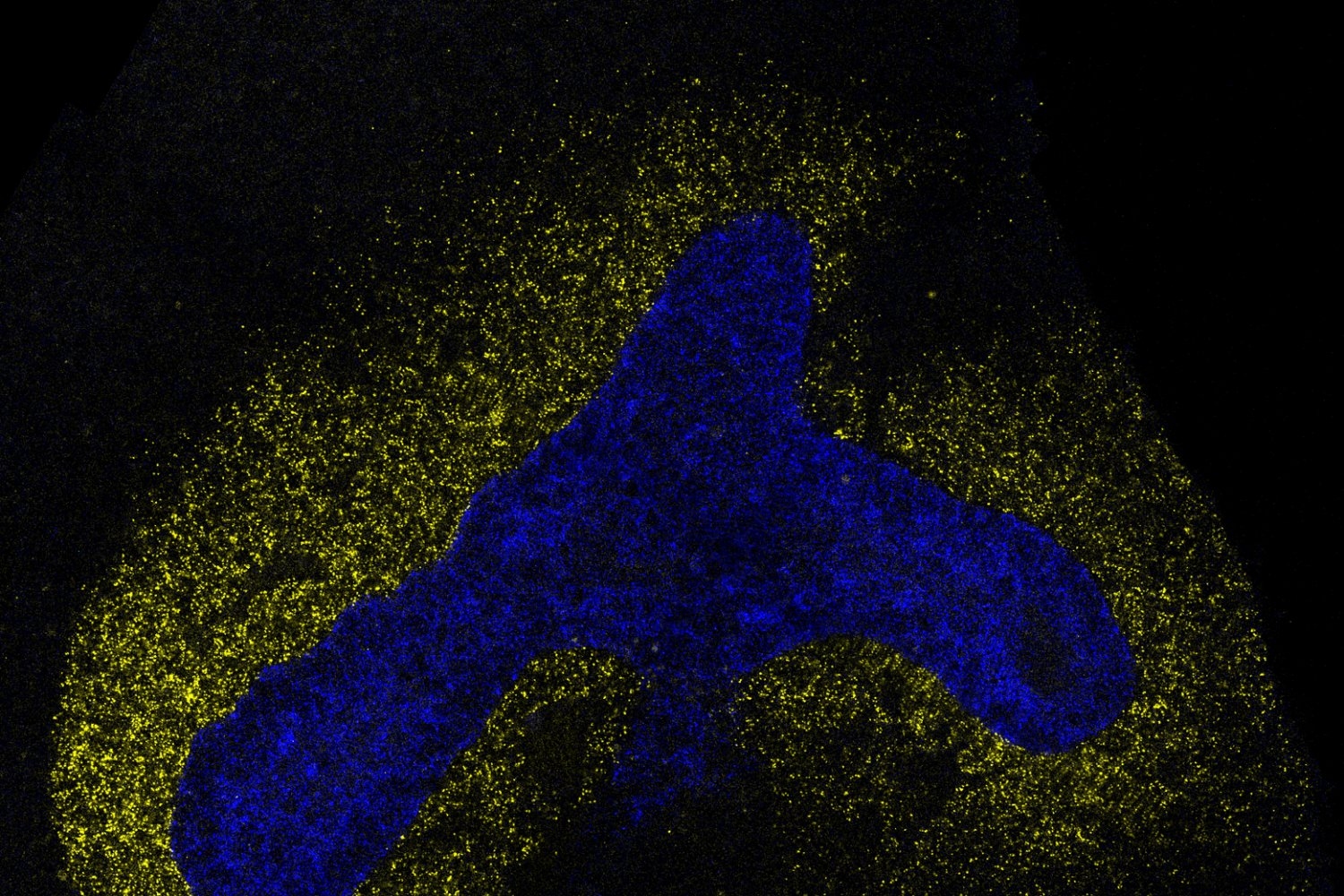
A spatial multi-omics study in Nature Communications identifies disease-associated oligodendrocytes whose interleukin 33–ST2 signaling influences alpha-synuclein burden and motor s...
A team led by Pan Jianwei and Zhang Qiang reached 28.8% end-to-end efficiency with pump noise cut to 35 counts per second, helping connect ultraviolet trapped-ion nodes over teleco...
Insider Brief PRESS RELEASE — The National Energy Research Scientific Computing Center (NERSC) at Lawrence Berkeley National Laboratory and QuEra Computing, the leader in neutral-a...
An exactly solvable model shows how cavity photons create long-range interactions, allowing a one-dimensional spin chain to develop magnetic order at finite temperatures.
Researchers engineer an ultrathin interface that preserves electron mobility while enabling thinner gate dielectrics in high-performance 2D transistors.
by Tianyu Wu, Marie-Christin Spindler, Abner T. Apsley, Emmy Earnest, Zane R. Thornburg, Julia Mahamid, Zaida Luthey-Schulten Eukaryotic cells are spatially organized into functio...
Researchers at Forschungzentrum Jülich have combined finite element simulations with quantum optimal control to turn magnetic field distortions from metal electrodes into a tool fo...
A team at the National Cancer Institute has unveiled a computational framework that turns ordinary bulk tumor RNA-sequencing data into a map of the conversations between cell state...
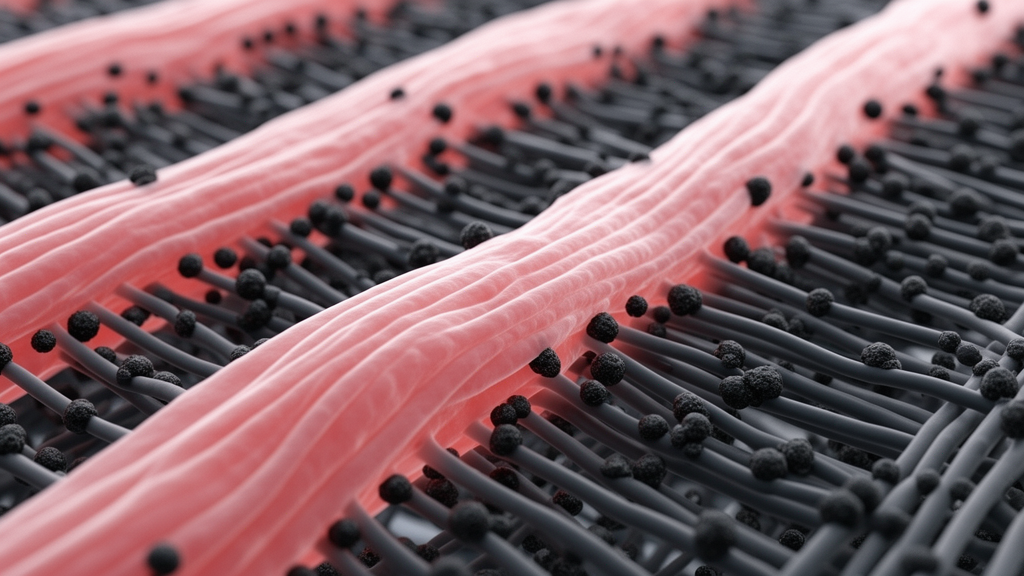
Researchers developed aligned electrospun gelatin scaffolds incorporated with carbon black nanoparticles that mimic native myocardial architecture and stiffness while demonstrating...
X-ray imaging reveals how sapphire substrates interact with ultrathin vanadium dioxide films, creating strain feedback that influences electrical switching and could reshape brain-...
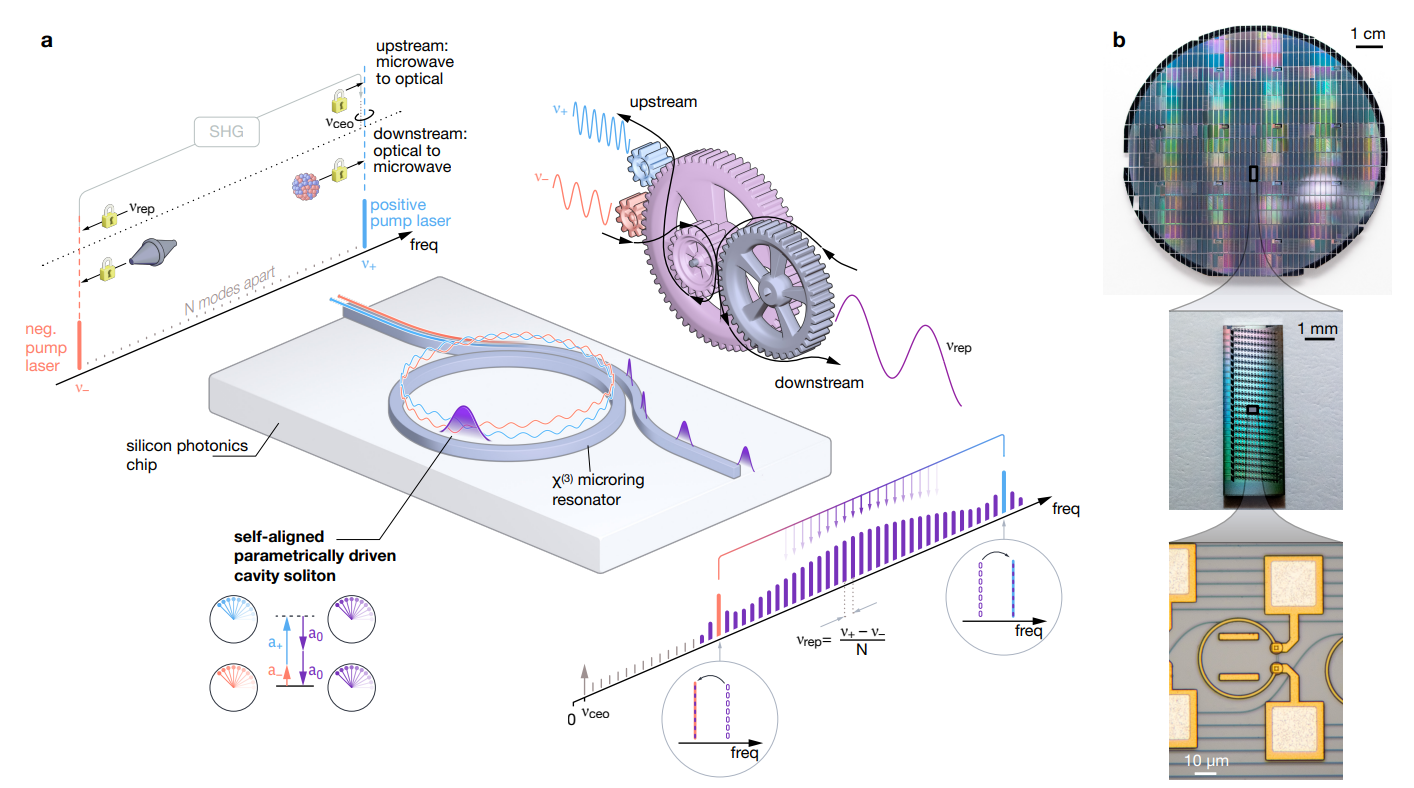
Researchers from the University of Auckland, NIST, UMD, and UC Santa Barbara have developed a chip-integrated optical frequency comb that addresses long-standing stability and cont...
Metabolomics, the large-scale study of small molecules in biological systems, has long faced a stubborn interpretability problem. Researchers can measure thousands of metabolites a...
Atomic-scale see-saws control spin interactions as scanning tunnelling microscopy tunes coupling between spins in a 2D metal-organic framework and metal electrons.
by Xiaodong Zeng, Jingwen Zhang, Shan Li, Haohua Wang Single-cell RNA sequencing (scRNA-seq) has established that gene expression is driven by stochastic transcriptional bursting....
Use SocialBu to discover ideas, generate post drafts, and schedule them across your social channels.