How nanomedicine could turn immune-resistant tumors against themselves
Polymer-based nanomedicines could reshape the tumor microenvironment, helping immune cells attack resistant cancers and potentially improve immunotherapy.
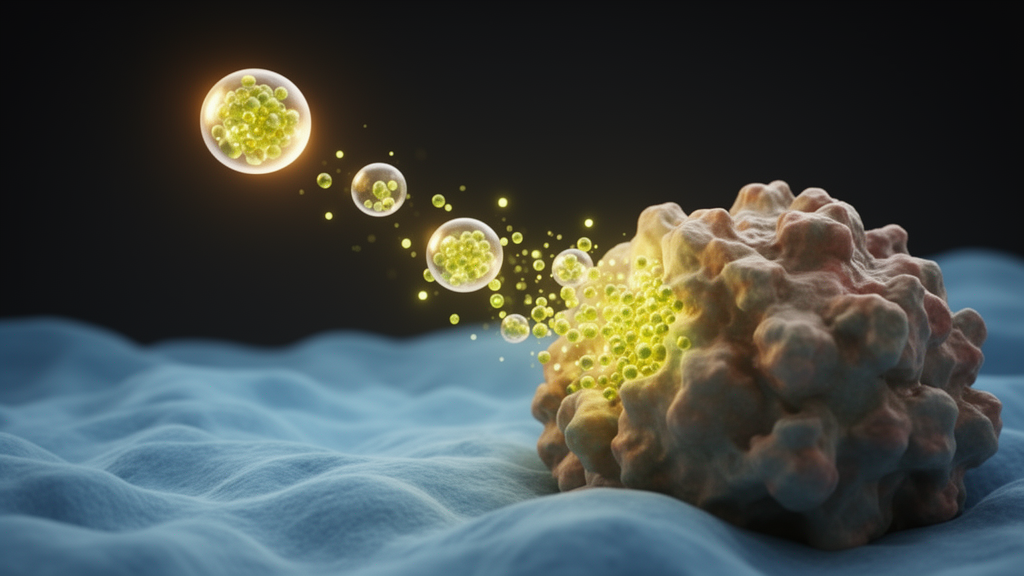
A narrative review finds nanoformulations improved berberine's delivery and preclinical efficacy in triple-negative breast cancer, while human evidence remains lacking.
A tiny fleet of machines that can be steered through the bloodstream by nothing more than a magnetic field is moving closer to the clinic, according to a comprehensive review publi...
A metal–organic framework nanovaccine co-delivering tumour antigens and STING agonists induced systemic tumour regression, immune memory and synergy with radiotherapy and checkpoin...
In a veterinary clinic in Cairo, ten cats with spontaneous mammary carcinoma became the unlikely protagonists of a study that could reshape how aggressive breast cancers are monito...
Customizable nanoparticles displaying cancer antigens at controlled densities strengthen immune responses and improve protection against melanoma and colon tumors in mice.
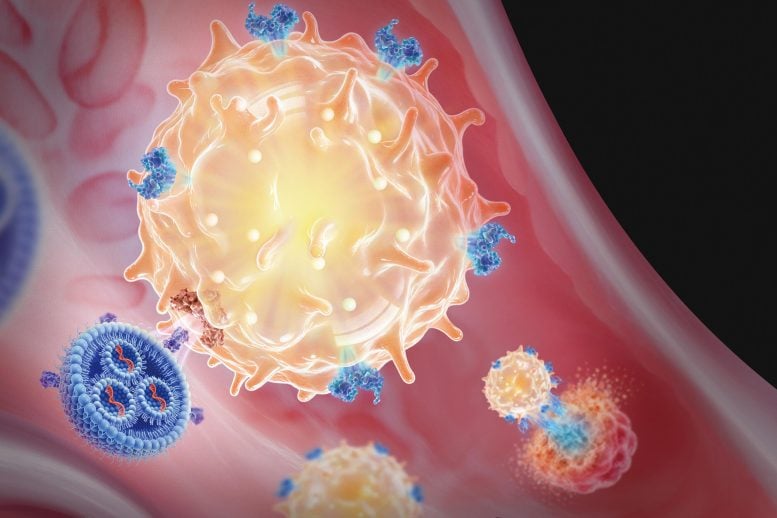
Researchers have engineered a custom ionizable lipid nanoparticle that delivers CAR-encoding mRNA into human T cells with over 90 percent efficiency, producing potent antitumor act...
Metal-organic frameworks could enhance ultrasound cancer therapy by boosting reactive oxygen production and counteracting tumor defenses, a new review explains.
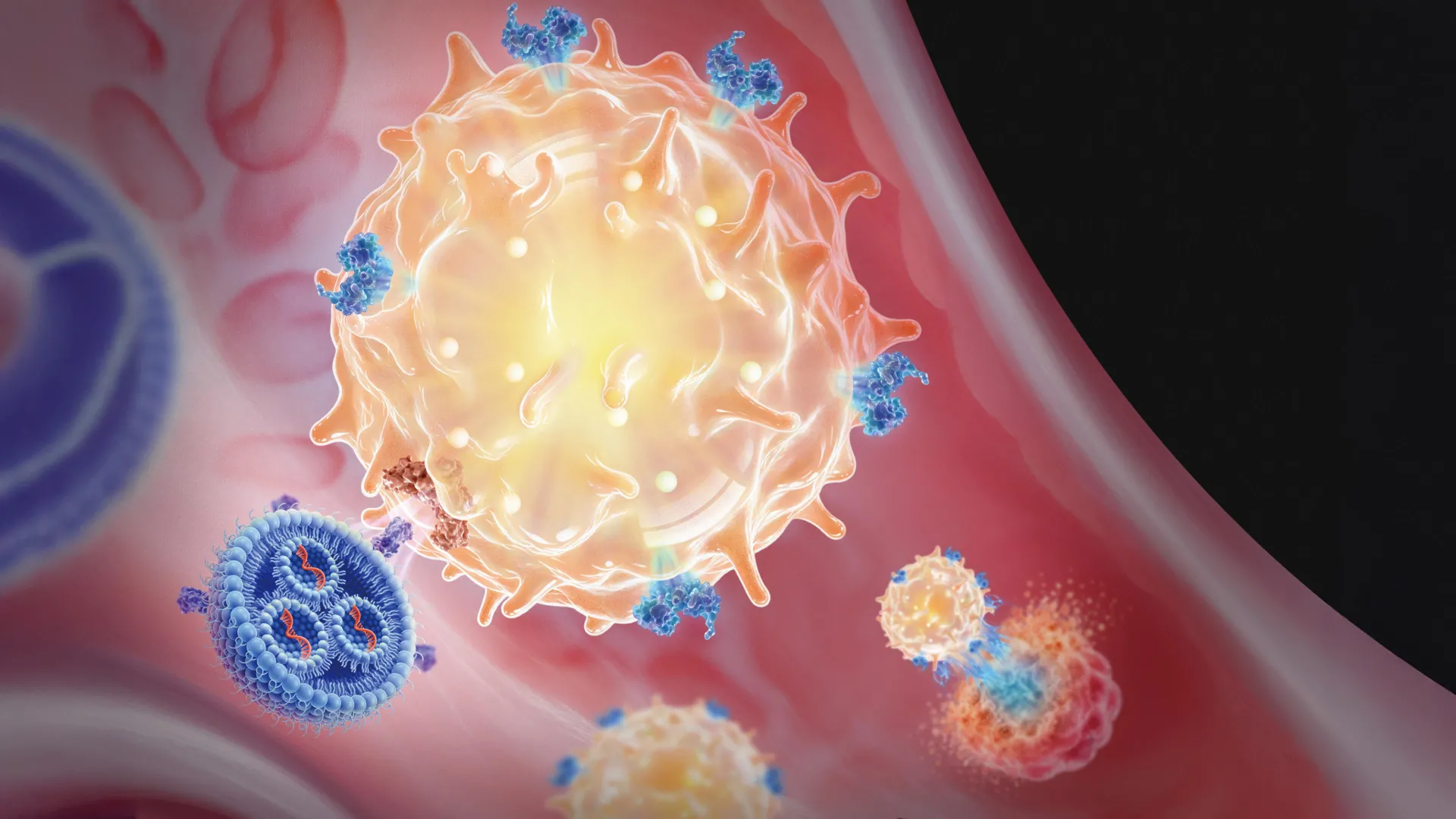
MIT scientists have developed nanoparticles that reprogram immune cells directly inside the body to attack cancer and harmful immune cells, eliminating tumors and reversing liver d...
A preclinical magnetic nanoparticle system co-delivered paclitaxel and psoralen, improving activity against paclitaxel-resistant triple-negative breast cancer cells and tumors in m...
Bolbostemma paniculatum-derived extracellular vesicles suppressed colorectal tumor growth and enhanced anti-PD-L1 immunotherapy in murine intraperitoneal models.
By combining an antioxidant nanomaterial with a chemokine-binding cell membrane, researchers have reduced tumor development in mouse models of colitis-associated cancer.
A single polymer forms fluorescent nanoparticles that visualize cells and generate singlet oxygen under light exposure for potential photodynamic cancer therapy.
Chinese scientists have developed a first-of-its-kind purifier capable of removing breakaway tumour cells that circulate through the bloodstream, potentially preventing the recurre...
By analyzing protein coronas across 42 nanomaterials, researchers identified how surface charge, PEGylation and shape influence cellular uptake and immune evasion, enabling more pr...
A comprehensive review details how living neutrophils, biomimetic membranes, and extracellular vesicles harness innate recruitment pathways to deliver targeted therapeutics across...
Avimer Bio and CNIO announce JACS publication detailing computational methods to build self-assembling protein cages with atomic precision for targeted medicine. The post Avimer Bi...
Messenger RNA (mRNA) can be delivered into tissues and cells by encapsulating it into lipid nanoparticles (LNPs), and then injecting the nanoparticles. A target cell engulfs a LNP,...
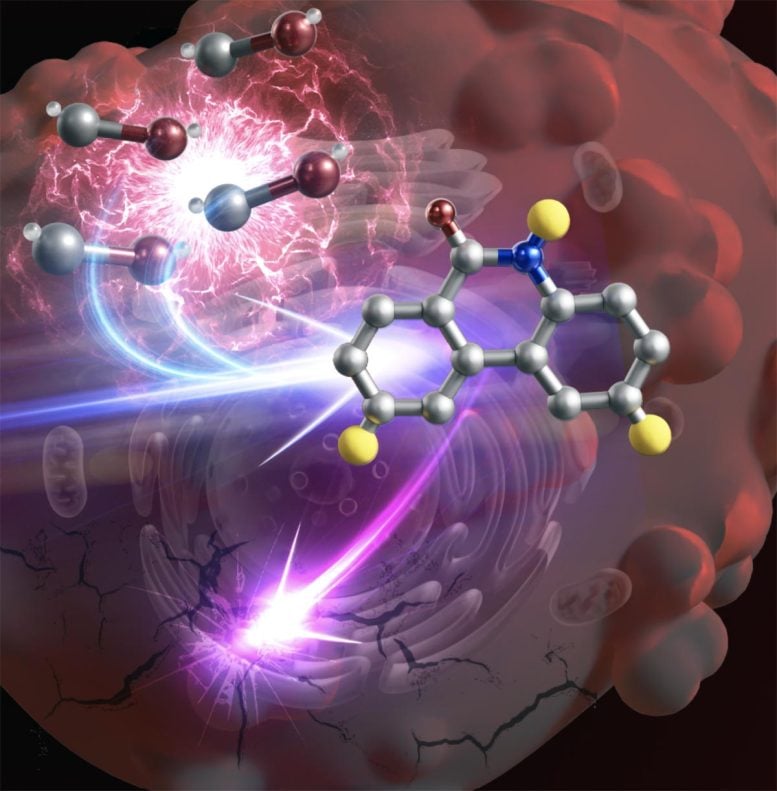
Scientists have developed an experimental strategy that exploits a chemical byproduct of cancer cells to produce anticancer drugs directly inside them. Scientists in Japan have dev...
For patients with advanced, metastatic cancer that has progressed despite systemic therapy – options remain critically limited. Now, Chinese scientists are pointing to an unconvent...
Natural killer cells reprogrammed inside mice eliminated lymphoma tumors and helped damaged livers heal, though whether this approach could help people with cancer or autoimmune di...
Intratumoral co-administration of IL-12 and Flt3L mRNA lipid nanoparticles controlled anti-PD-1-refractory melanoma in mouse models by coordinating dendritic, natural killer, and T...
Российские ученые работают над персонализированными лекарствами от рака, такие препараты будут создаваться с учетом ДНК пациента и станут прорывом в медицине, сообщил глава Российс...
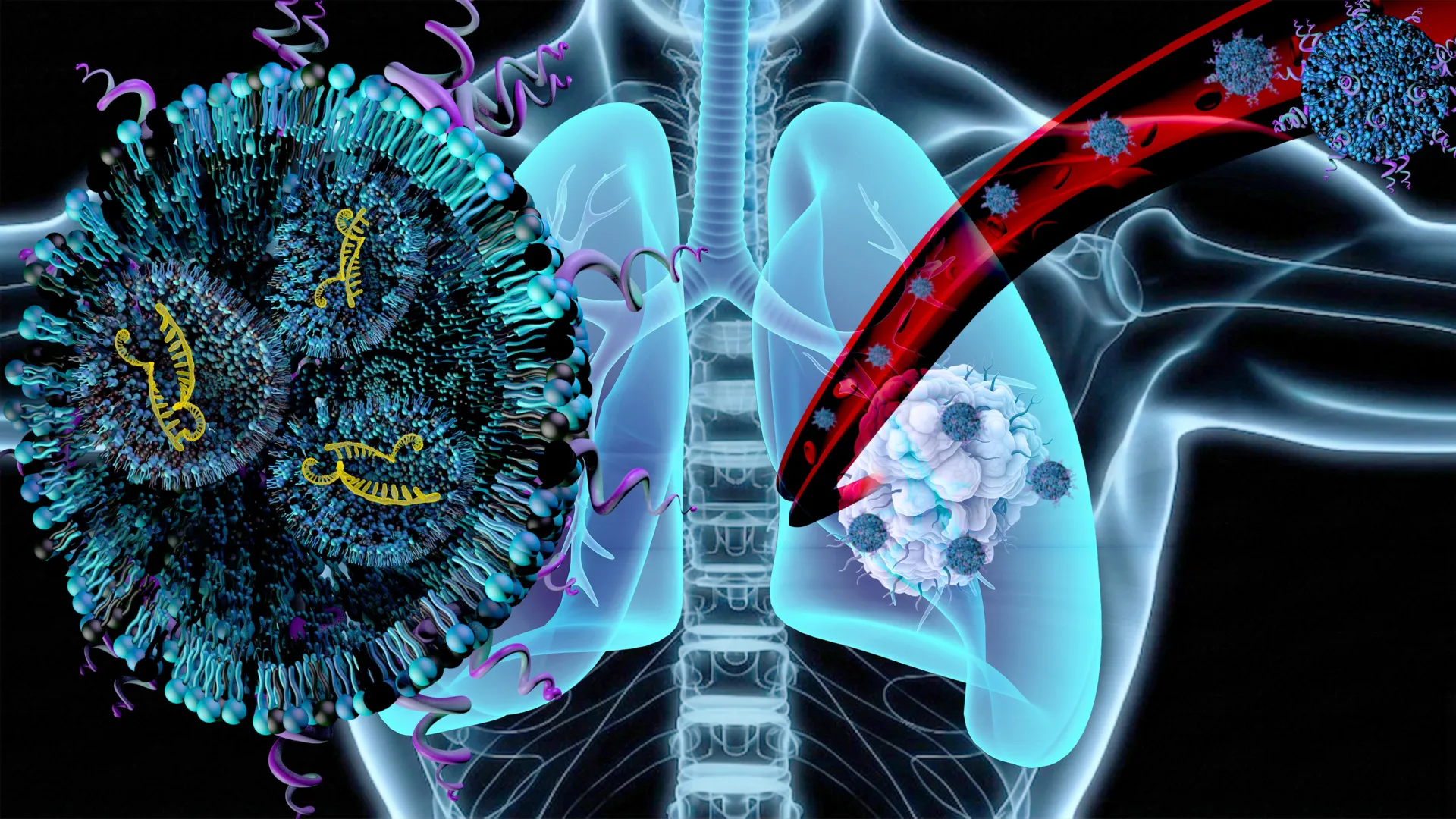
A new nanoparticle therapy reduced lung tumors in mice while also targeting cachexia, the severe muscle wasting that can accompany cancer. By delivering follistatin mRNA directly t...
Use SocialBu to discover ideas, generate post drafts, and schedule them across your social channels.