Nanotechnology moves into military drones through batteries, sensors and coatings
How nanotechnology is entering military drones through advanced batteries, sensors and coatings, from cheap FPV systems to underwater vehicles.
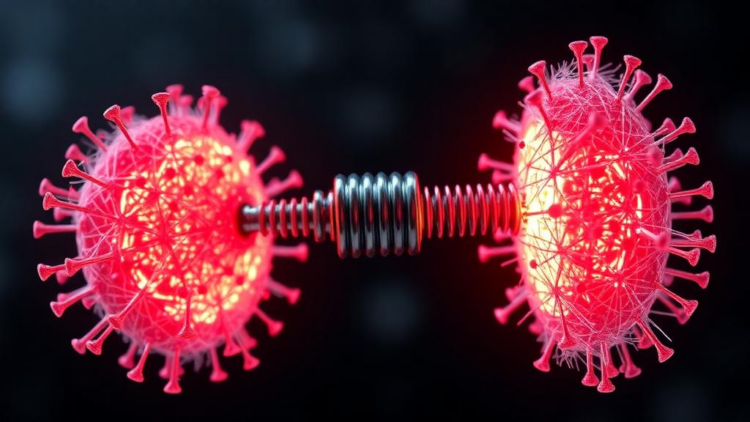

A tiny fleet of machines that can be steered through the bloodstream by nothing more than a magnetic field is moving closer to the clinic, according to a comprehensive review publi...
Materials scientist and chemist Antonio Facchetti, formerly of the Georgia Institute of Technology in the United States, has joined the Hong Kong University of Science and Technolo...
How nanotechnology could improve AI chip cooling, from thermal interface materials and high-bandwidth memory packaging to nanostructured surfaces and microfluidics.
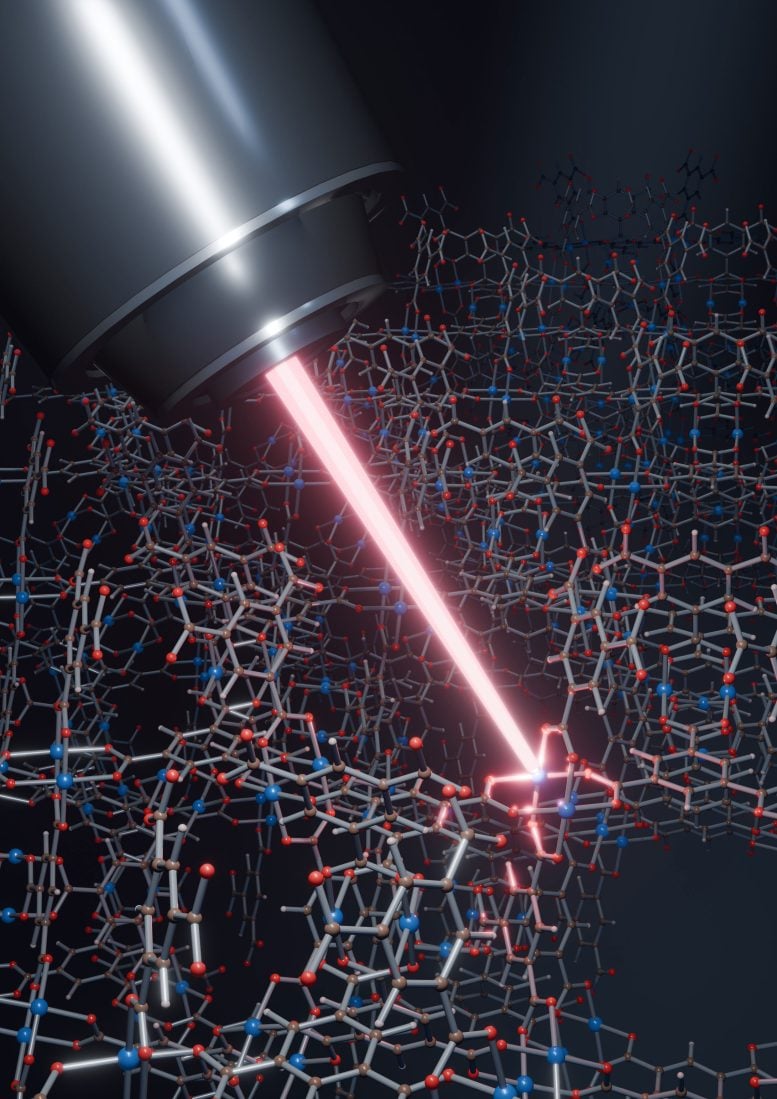
Semiconductor lasers just 115 nanometers long operate at room temperature on a gold surface, potentially enabling optical tracking of structures inside cells.
Fabrics that kill bacteria, shield the skin from ultraviolet radiation, conduct electricity, and even clean themselves under sunlight are no longer the stuff of science fiction. A...
By filling the tiny pores of fragile materials with an unusual liquid, scientists have found a way to create intricate patterns without destroying their structures. Metal-organic f...
Chemical engineers found a way to rapidly produce lipid nanoparticles of varying sizes, which could make it easier to develop new vaccines and therapeutics.
US-based materials technology company demonstrates proprietary and commercially viable production of phase-pure gallium nitride nanoparticles.
From enzyme-like nanoparticles to a global research field, nanozymes now inspire art that makes advanced chemistry accessible to wider audiences.
Voltage-controlled switching in ultrathin hafnia films and sub-nanometer ferroelectric domains point to new ways of storing data in semiconductor chips.
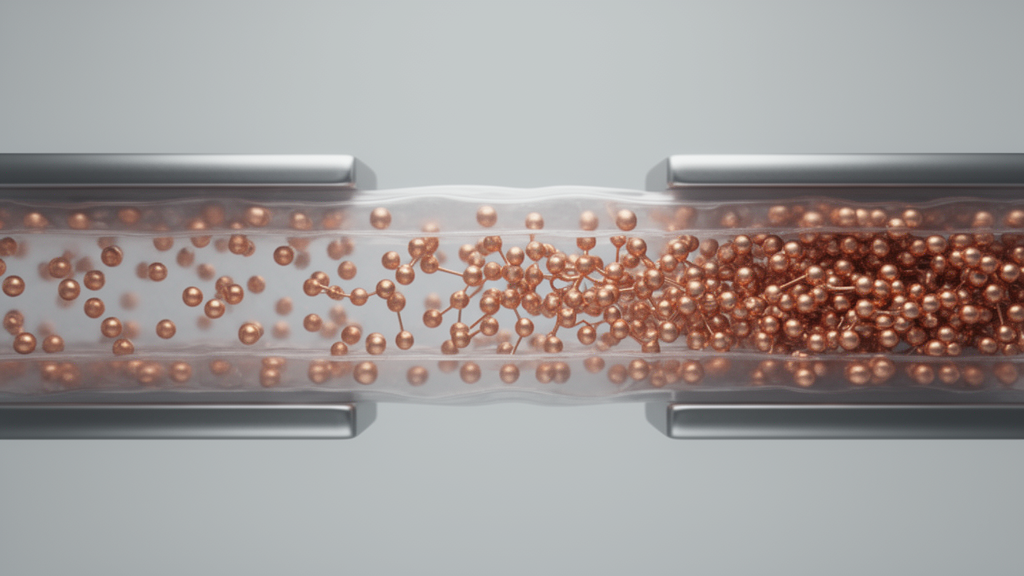
A simple camera-based method tracks rapid metal nanoparticle formation and shows that clusters coalesce, rather than atoms assembling one by one.
A review outlines how precisely arranged nanoscale building blocks can amplify sensing signals and integrate complementary analytical methods.
Pliable connector molecules could be key to creating nanoparticle-based materials for photonics, chemical catalysis, medicine, and more.
A laboratory study found that copper nanoparticles in a carbazole copolymer produced smaller threshold-voltage intervals, greater three-state current contrast and stable resistance...
A designed protein built inside an existing nanopore reshapes its channel and alters ion flow, opening a new route to engineering molecular sensors.
Wireless millirobots the size of a pencil tip could one day replace open-heart surgery and ineffective drug therapy.
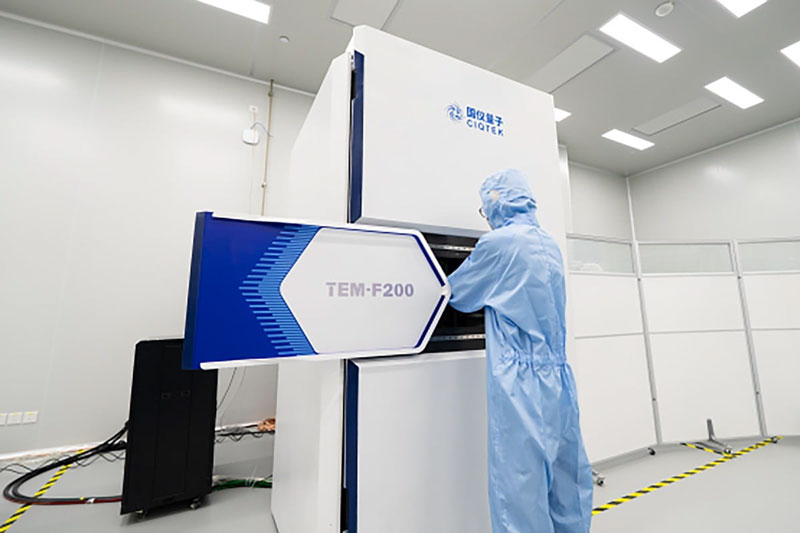
Китай научился производить электронные микроскопы, способные различать детали размером в доли нанометра. Компания CIQTEK представила просвечивающий микроскоп TEM-F200, который помо...
A superconducting superinductor built into a commercially fabricated silicon chip dramatically improves charge sensing while reducing device size, potentially enabling more densely...
Gold nanogaps distinguish mirror-image amino acids molecule by molecule, offering a compact electrical method for detecting potential signs of extraterrestrial life.
A new automated X-ray microscopy system analyzes hundreds of airborne particles in 10 hours instead of 44, revealing nanoscale chemical differences while dramatically reducing manu...
Use SocialBu to discover ideas, generate post drafts, and schedule them across your social channels.