bioengineer.org /1 week ago

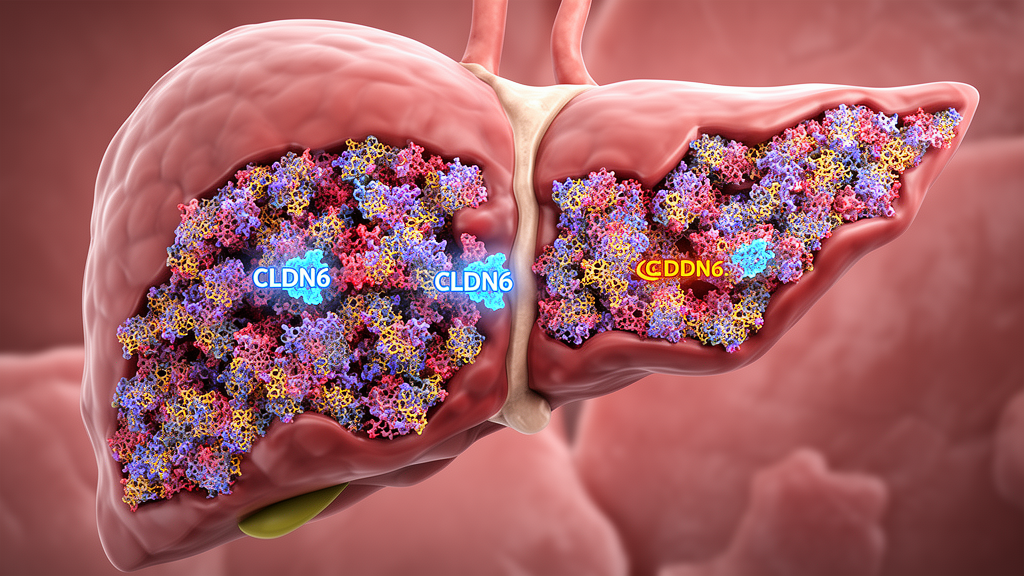
CLDN6 Promotes Colorectal Cancer Liver Metastasis via Distinct Signaling and Epigenetic Reprogramming

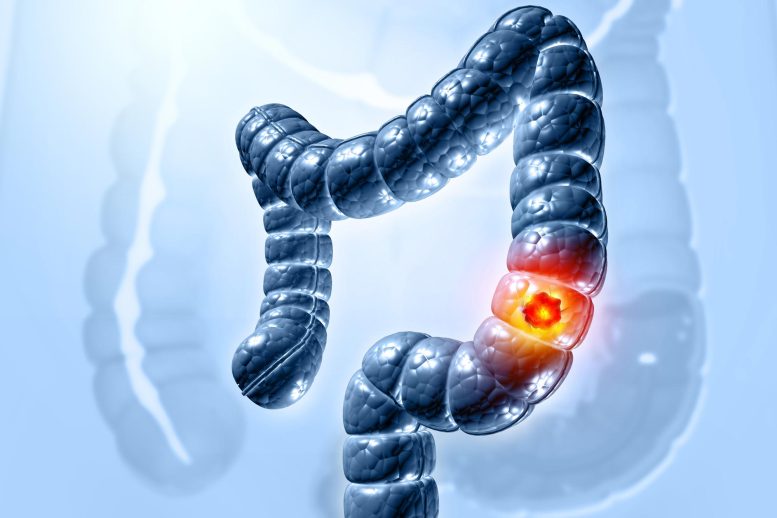
Researchers identified the surface marker CLDN6 as a driver of liver metastasis in aggressive consensus molecular subtype 4 colorectal cancer across multi-omics datasets and precli...
Read source
scitechdaily.com /1 month ago

Biologists Discover a Cellular Pathway That Helps Colorectal Cancer Spread

Obesity may boost activity in a tissue repair pathway that helps colon cancer spread, offering a potential target for drugs to prevent metastasis. Most colon cancer deaths occur wh...

Read source
bioengineer.org /1 week ago

KLHL6 protein drives colorectal cancer liver spread via MBD2 degradation

A study in the Journal of Experimental & Clinical Cancer Research identifies KLHL6 as a driver of colorectal cancer liver metastasis through the degradation of MBD2 and activat...

Read source
bioengineer.org /1 month ago

Cancer’s Hidden Helpers: Fibroblast Diversity Reshapes How Tumors Spread and How We Treat Them

Cancer rarely travels alone. When tumor cells leave their original home and seed new colonies in distant organs, they are escorted, sheltered, and often actively coached by an ento...

Read source
bioengineer.org /1 month ago

Metarrestin’s Anti-Cancer Mechanism Mapped Through Network Pharmacology

A new network pharmacology study maps how the anti-metastatic drug metarrestin rewires cancer cell protein networks and identifies the cell-cycle regulator CDKN1B as its highest-af...

Read source
futurity.org /3 weeks ago

Study challenges long-held idea about colorectal cancer

A new study finds metastatic colorectal cancer's immune defenses may begin outside the cancer cell, challenging view held for decades.

Read source
bioengineer.org /2 weeks ago

DKK1 emerges as a multifunctional player in cancer progression

A new review consolidates evidence that the secreted protein DKK1 acts through multiple signaling routes and is associated with poor prognosis across several malignancies.

Read source
bioengineer.org /1 month ago

Nerves and Tumours Talk: How the Nervous System Drives Cancer Growth and Drug Resistance

Cancer has long been framed as a disease of rogue genes, a story written almost entirely in the language of mutations, checkpoints and clonal evolution. A new review published in M...

Read source
scmp.com /1 week ago

Chinese ‘black-hole’ purifier catches tumour cells in blood to stop cancer spread

Chinese scientists have developed a first-of-its-kind purifier capable of removing breakaway tumour cells that circulate through the bloodstream, potentially preventing the recurre...

Read source
bioengineer.org /1 month ago

Oral Cancer Cells Hijack Jaw-Destroying Cells Through an Inflammatory Relay, Study Finds

New research shows that the oncogene ARL4C in oral cancer cells triggers a RelA-dependent inflammatory response in stromal fibroblasts, turning them into a critical source of RANKL...

Read source
genengnews.com /1 week ago

Childhood Cancers May Not Always Need Extra Mutations to Spread, Study Suggests

Childhood cancers may not always need extra mutations to spread, a new review study indicates. Instead, developmental plasticity may let tumor cells shape-shift into states that he...

Read source
hospitalnews.com /3 weeks ago

Discovery could help predict which early breast cancers will spread

Immune cells that normally protect the body from infection can also drive the progression of some early breast cancers, McGill University researchers have found. The discovery poin...

Read source
physicsworld.com /1 month ago

Disordered environments around tumour cells can promote cancer spread

A biophysics model describing how cancers spread within the human body could help researchers developing new cancer therapies The post Disordered environments around tumour cells...

Read source
bioengineer.org /5 days ago

Hypoxia-Driven SPP1 Macrophages Promote Fibrosis and Chemoembolization Resistance in Liver Cancer

Spatial multi-omic profiling reveals that transarterial chemoembolization promotes hypoxia-driven SPP1-positive macrophages that produce fibronectin, build immunosuppressive fibrot...

Read source
medicalxpress.com /1 week ago

Childhood cancers may spread by 'shape-shifting' rather than mutating

Researchers at the University of East Anglia (UK) have proposed an explanation for why some childhood tumors spread aggressively around the body despite having relatively few genet...

Read source
journals.plos.org /3 weeks ago

<i>CDH1</i> loss remodels gene expression and lineage identity in human mammary epithelial cells

by Maggie Musick, Chinasa A. Ufondu, Carmen E. Rowland, Micaela E. Brown, Joseph L. Sottnik, Madeleine T. Shackleford, Camryn S. Nesiba, Etienne P. Danis, Andrew E. Goodspeed, Rich...

Read source
goodmenproject.com /4 days ago

Study Challenges Long-Held Idea About Colorectal Cancer

A new study finds metastatic colorectal cancer’s immune defenses may begin outside the cancer cell, challenging view held for decades. The post Study Challenges Long-Held Idea Abou...

Read source
healio.com /1 month ago

‘Key’ differences in colorectal cancer with liver metastases

Early-onset colorectal cancer with liver-only metastases can have significant differences in biology from late-onset malignancies.A study of nearly 1,700 individuals from Australia...

Read source
bioengineer.org /1 week ago

Patient Survived Twenty Months After Small-Cell Transformation of Resected Lung Adenocarcinoma

A clinical case report documents a 48-year-old woman with EGFR-mutant lung adenocarcinoma who developed small-cell lung cancer transformation four years after surgery and survived...

Read source
bioengineer.org /2 weeks ago

Chinese Cancer Association issues unified guideline for tumor-related lung injury care

The Chinese Anti-Cancer Association has published an open access guideline standardizing diagnosis and treatment of respiratory injury caused by tumors and cancer therapies.

Read source
bioengineer.org /1 month ago

Immune Cells Cluster Around Blood Vessels to Predict Lung Cancer Immunotherapy Success

Immunotherapy has transformed the treatment landscape for non-small cell lung cancer, the most common form of lung malignancy worldwide, yet a stubborn problem persists: only a sub...

Read source
bioengineer.org /4 weeks ago

Review Connects Circadian Clock Disruption With Cancer Metabolism and Progression

A 2026 review links disrupted circadian clock genes with altered cancer metabolism, cell survival, and pathways implicated in tumor progression.

Read source
fodmapeveryday.com /1 month ago

Why Does Triple-Negative Breast Cancer Spread to the Brain? Scientists Find a New Clue

Researchers have identified a protein that may help aggressive triple-negative breast cancer spread to the brain and survive once it gets there. The preclinical findings could poin...

Read source
bioengineer.org /1 month ago

Collagen Clue: How COL6A1 May Drive Bile Duct Cancer’s Deadly Spread

A new review in Cancer Reports proposes that the extracellular matrix protein COL6A1, overexpressed in the fibrotic stroma of cholangiocarcinoma, may drive tumor progression throug...

Read source

Turn fresh research into a full content calendar

Use SocialBu to discover ideas, generate post drafts, and schedule them across your social channels.