Scientists Untangle the Biology of an ‘Undruggable’ Cancer Gene
Found in 70 percent of cancers, the gene is seen as a grand orchestrator but has been surprisingly difficult to stop.


Cancer has long been framed as a disease of rogue genes, a story written almost entirely in the language of mutations, checkpoints and clonal evolution. A new review published in M...
A comprehensive review outlines how the selective autophagy receptor SQSTM1/p62 coordinates stress responses, oncogenic signaling, and metabolic adaptation across diverse malignanc...
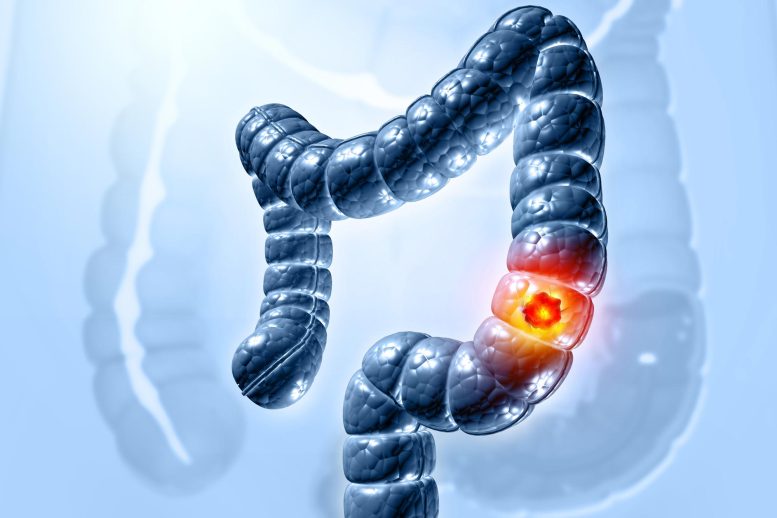
Obesity may boost activity in a tissue repair pathway that helps colon cancer spread, offering a potential target for drugs to prevent metastasis. Most colon cancer deaths occur wh...
Researchers uncover how the long non-coding RNA Smyca helps triple-negative breast cancer cells repair DNA damage and survive treatment.
A new network pharmacology study maps how the anti-metastatic drug metarrestin rewires cancer cell protein networks and identifies the cell-cycle regulator CDKN1B as its highest-af...
A review describes how non-coding RNA networks in cancer-associated fibroblasts regulate tumor progression, exosomal communication, and therapeutic resistance.
A study in the Journal of Experimental & Clinical Cancer Research identifies KLHL6 as a driver of colorectal cancer liver metastasis through the degradation of MBD2 and activat...
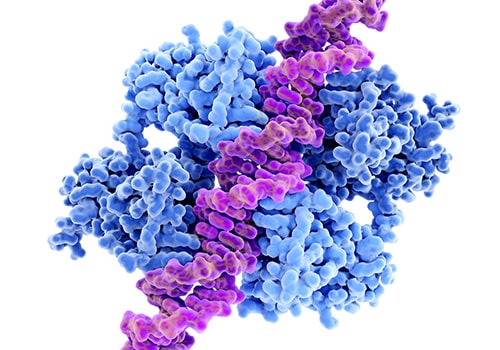
The development of KRAS inhibitors has ushered in a new era in precision oncology and renewed efforts in therapeutic targeting of p53, the most commonly altered gene in human cance...
In the latest edition of From the Bench, the AACR Blog explores recent innovative approaches to cancer research, including a method for limiting maternal-fetal transmission of cert...
Researchers developed CGMap, an interpretable graph-learning framework that prioritized 70 reliable cancer gene candidates across multiple biomolecular networks in a pan-cancer ana...
A 2026 review links disrupted circadian clock genes with altered cancer metabolism, cell survival, and pathways implicated in tumor progression.
Suppression of cancer is a necessary component of species longevity, and finding out how exactly cancer incidence is in some cases dramatically reduced is one of the primary goals...
Glioblastoma, the most aggressive cancer that begins in the brain, has stubbornly resisted decades of progress in oncology. Even with the current standard of care, which combines m...
A new Frontiers editorial argues that mechanical forces in tumors regulate invasion, immune surveillance, and treatment response, and that the field is shifting from cataloguing me...
Researchers demonstrated that the triterpenoid demethylzeylasteral induces G1 phase arrest and mitochondrial apoptosis in breast cancer models through modulation of the MDM2-p21 mo...
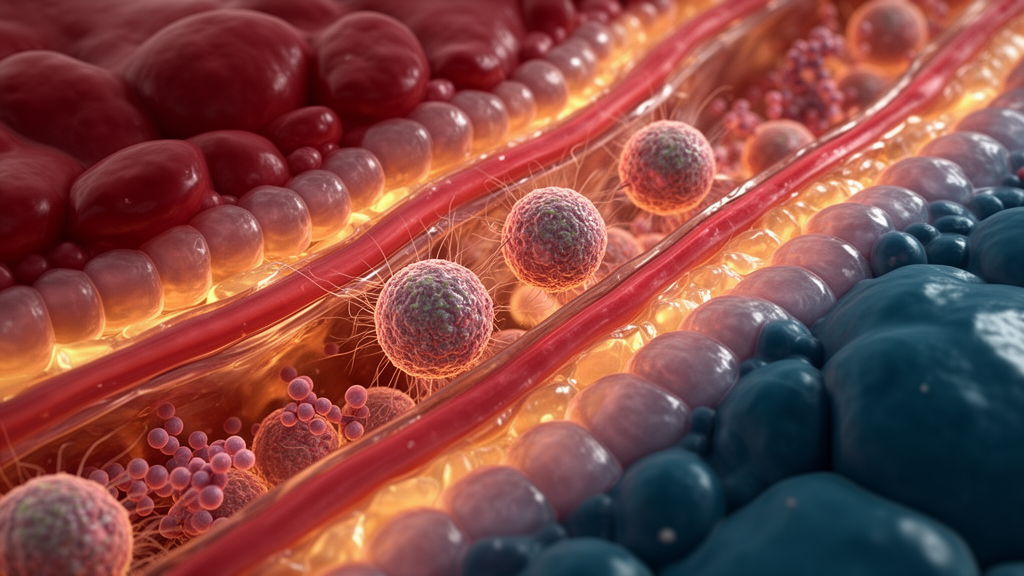
Cancer rarely travels alone. When tumor cells leave their original home and seed new colonies in distant organs, they are escorted, sheltered, and often actively coached by an ento...
Researchers here provide a demonstration that a form of liver cancer can emerge from change in the epigenetic control over gene expression in the absence of mutation of nuclear DNA...
A new review reveals how the unfolded protein response, a cellular stress-signalling network, helps tumours evade immune detection and could be targeted to boost cancer immunothera...
Delve into Labiotech's November oncology roundup and find out about the news that caught our attention this last month. The post Oncology biotech news: Key moves to watch in Novemb...
Researchers report that the circular RNA circMTCL1, sharply depleted in colorectal cancer tumors, suppresses cancer cell growth by sponging miR-145-5p, boosting BMP3, and damping M...
Chemotherapies frequently cause cancer cells to enter senescence, but do not fully eliminate these cells. Therefore, it is useful to target these therapy-induced senescent cells wi...
The 18th Frontiers in Cancer Science conference, to be held November 11-13 in Singapore, will explore what cancer's past can tell us about its future. The conference cochairs Gopal...
A new review in Molecular Cancer maps how approved drugs from outside oncology could be repurposed, under a strict mechanism-first framework, to dismantle the four biological progr...
Use SocialBu to discover ideas, generate post drafts, and schedule them across your social channels.