Managing silage effluent this winter
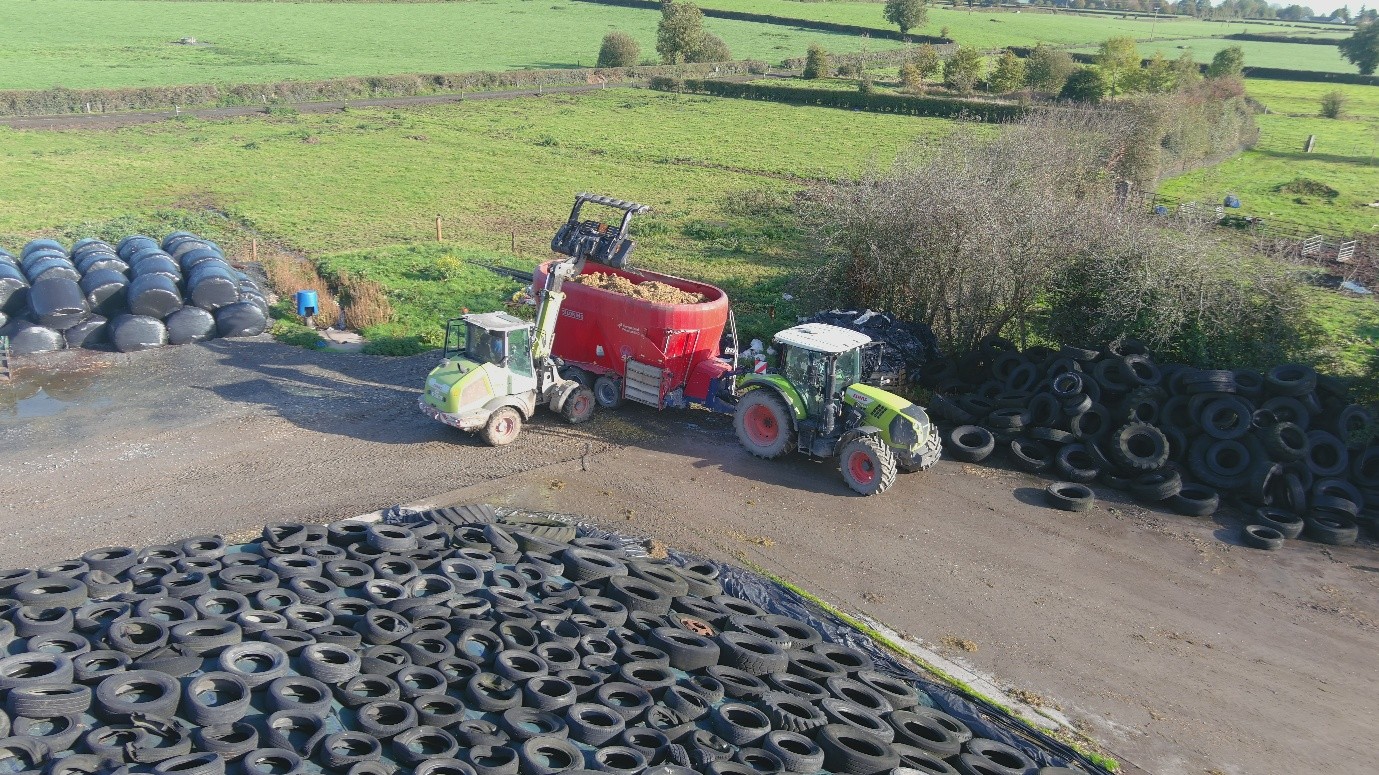
A lot of this year’s silage may have been cut in less than favourable conditions, meaning the management of silage effluent will need to be on point this winter. The weather was un...
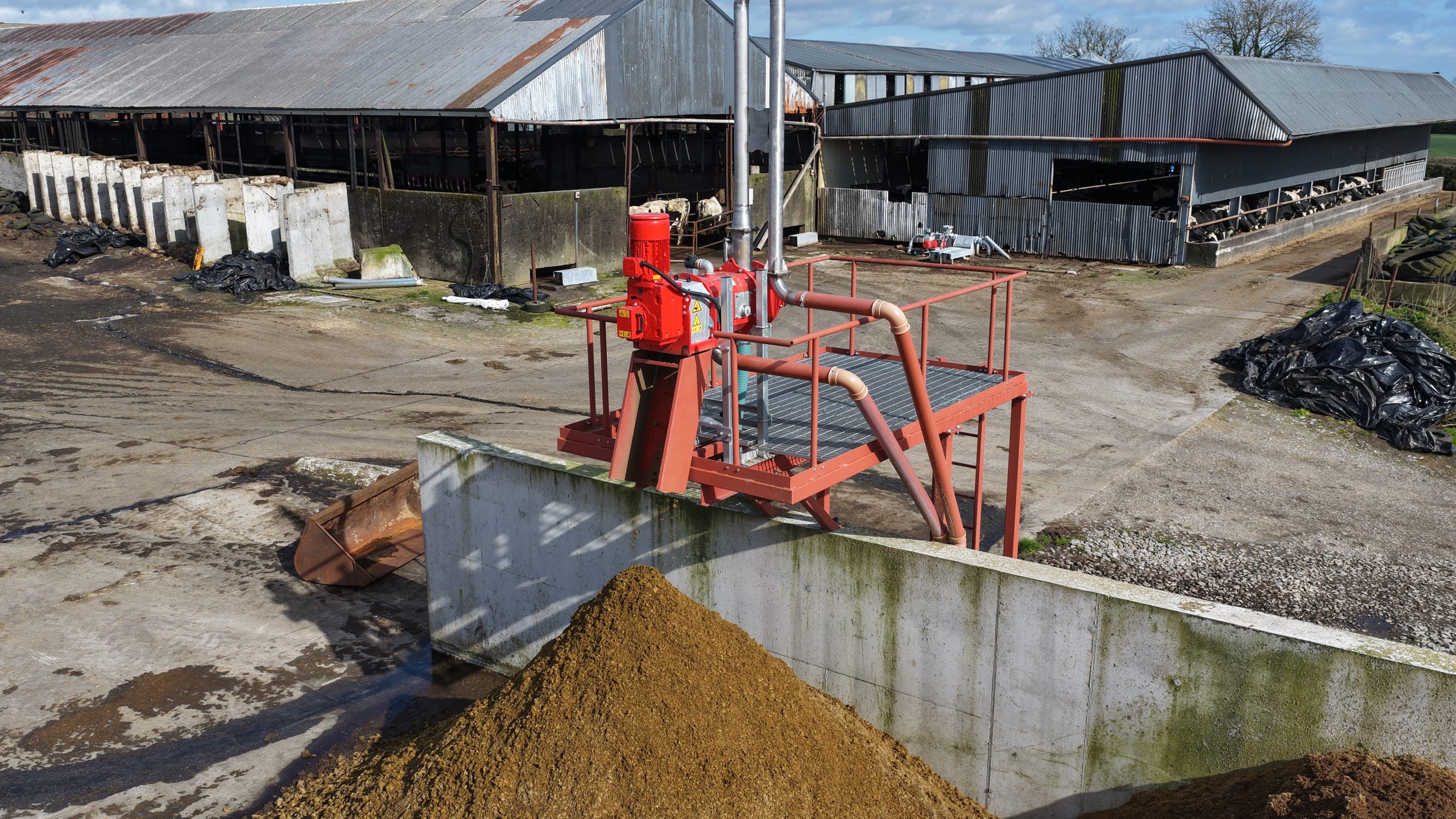
As the grazing season comes to an end, silage will begin to dominate the diet, whether cows are housed or not. The good back end to the year was a saviour in terms of building up f...
Irish farmers and contractors know the value of slurry. The challenge is making the most of it. Having the right equipment can make a significant difference to how slurry is manage...
Spring 2027 should be the season when Irish tillage farmers truly embrace the potential that slurry can make within their businesses. At a time when the price of all chemical-based...
Facility improvements targeting water management and resting areas deliver lasting gains in efficiency, comfort and profitability for cattle operations.
Following the two-month-long drought, fertiliser was late going out, which ultimately meant silage was late coming in. A lot of silage in the yard was cut after mid-September, but...
Testing your silage now is a worthwhile activity to meet the nutritional needs of your beef cattle. With 2026 being a year of such extremes, it is important for farmers to get an u...
The €1.7 million Upper Erne Slurry Solutions project, known as the Ssuper EIP, is seeking to recruit six farmers within a 15km radius of Cootehill, Co. Cavan, to take part in the p...
The impact of this year’s droughts means more farmers may need to consider a contingency of summer silage as part of their fodder budgets. The prolonged warm and dry weather over t...
With third-cut silage bolstering stocks and farmers now starting to dry-off cows, demand for silage bales is slowing in some parts of the country. Quality, weight and location were...
Based on data from the Salinas Valley, California growing region, the model could complement existing produce safety assessments by helping regulators, researchers, and industry st...
For dairy farmer Peter Farrell from New Inn, Co. Tipperary, making the most of available time and maintaining a consistent feeding routine are important parts of running his spring...
A Swiss lysimeter experiment found that non-inversion tillage reduced nitrate leaching by up to 42 percent on some soils during a wet, bare-soil period, suggesting reduced tillage...
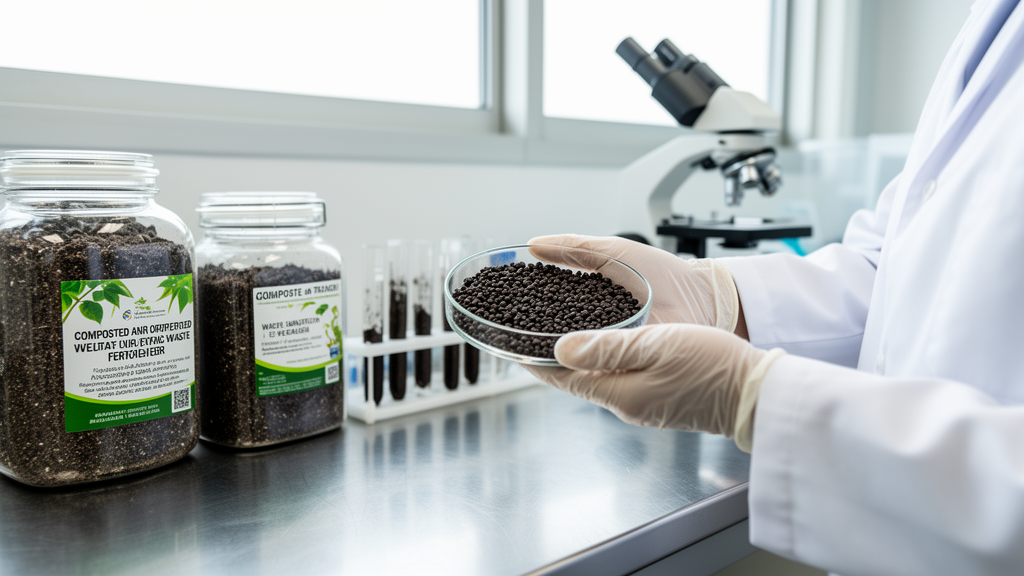
A review of waste-derived fertilisers shows that raw manure applied to lettuce carries modelled annual infection probabilities that pasteurised digestate reduces to near zero, whil...
The European Commission is seeking the public’s views on plans to ease the rules around the use of certain liquid digestates by farmers. The commission wants to allow the use of pa...
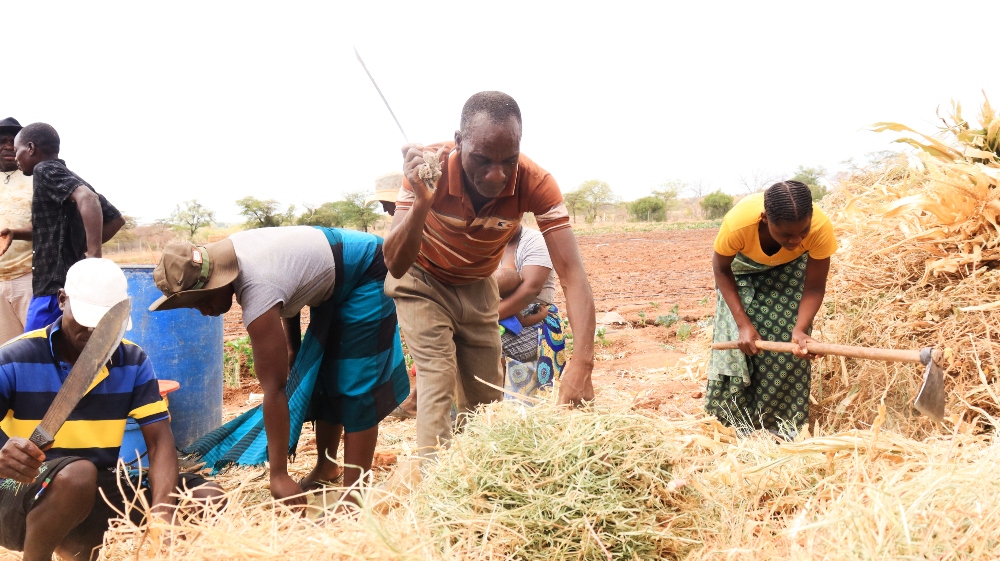
Farmers in drought-prone Mbire District are being encouraged to turn crop residues that would otherwise go to waste into nutritious livestock feed as communities prepare for possib...
Co-applying selenium with quizalofop-p-ethyl accelerates herbicide dissipation, reduces oxidative stress markers, and reshapes phyllosphere microbial communities in field-grown alf...
With autumn calving underway and grazing days limited, farmers must consider different diets to achieve optimum feed efficiency. Many winter milkers may be hoping that their herd w...
Use SocialBu to discover ideas, generate post drafts, and schedule them across your social channels.