How MRD is powering the next wave of precision oncology
The Oncodetect® molecular residual disease test is giving clinicians insights that can reshape cancer treatment and monitoring.
Researchers analyzed mulitomic and clinical data from 2000 colorectal cancer samples and used an AI tool, iPhenMap, to help identify cancer cell vulnerabilities and drug combinatio...
The development of KRAS inhibitors has ushered in a new era in precision oncology and renewed efforts in therapeutic targeting of p53, the most commonly altered gene in human cance...
“What was cancer, Grandpa?” These were words I hoped to hear from my grandchildren. As a practicing physician for over forty-five years, I wasn’t sure whether futuristic care would...
RNA sequencing and AI help identify tumor-specific alternative splicing events that may reveal new precision oncology targets across solid tumors...
Why diagnostic-driven therapies need a new commercialization model to reach more eligible patients.
Predicting whether a cancer patient will respond to therapy has long been one of oncology’s most consequential gambles. For people with metastatic non-small cell lung cancer, the m...
Theranostics, also called radiotheranostics, combines targeted disease diagnosis and therapy into an integrated medical process for oncology providers. Although the field isn’t new...
Agentic AI is closing oncology's data gaps — from drug discovery to survivorship. See how AI agents in healthcare are reshaping cancer care today.
Research Conducted at Tennessee Oncology's Greco-Hainsworth Centers for Research Contributes to Study Showing Longer Overall Survival with Next-Generation KRAS G12C Therapy
Use of a commonly used age-based cutoff for genetic testing among individuals with solid tumors resulted in a considerable proportion of inherited gene variants going undetected, a...
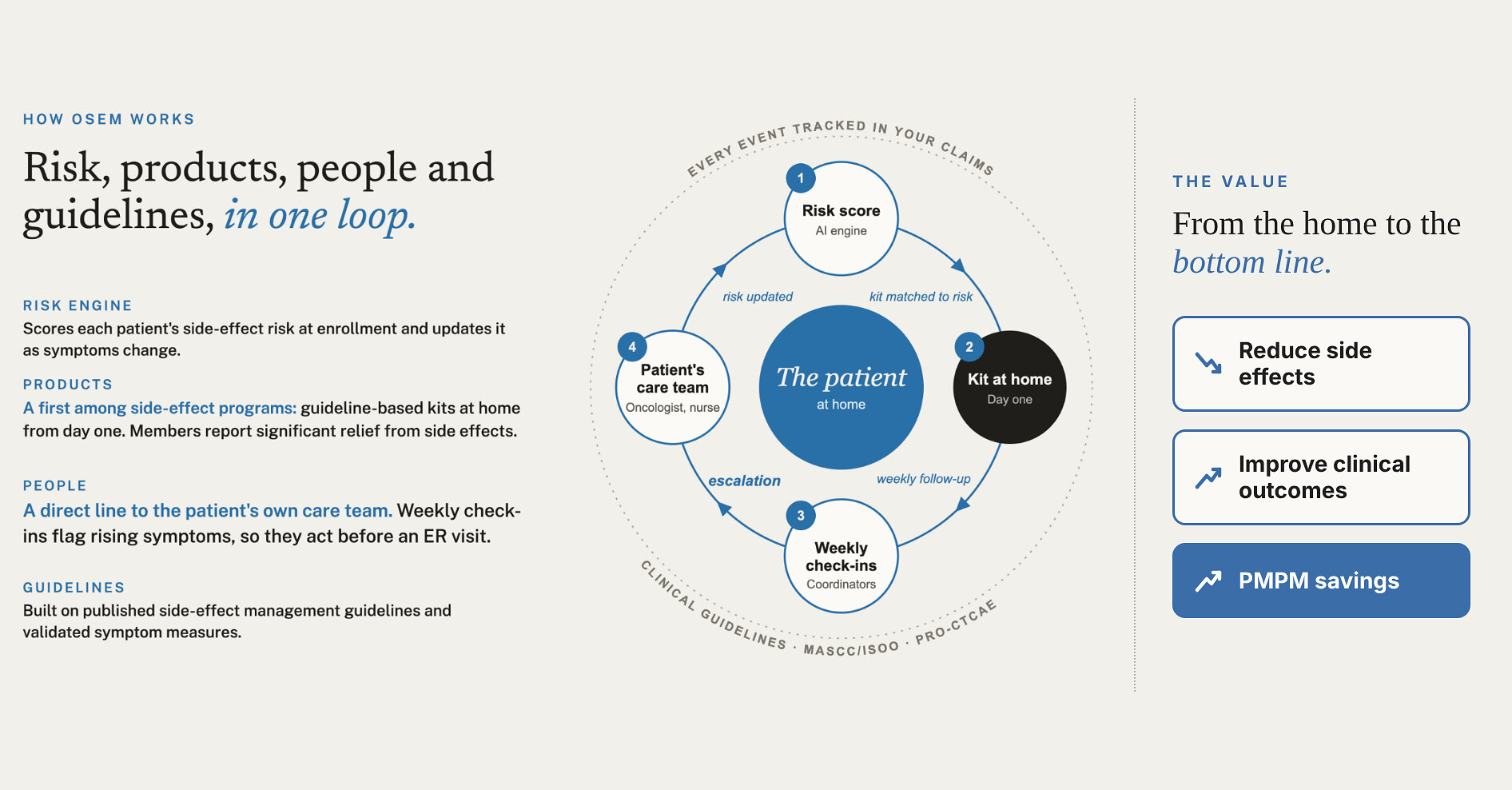
OSEMâ„¢ combines a proprietary AI-refined risk score, clinically tested products, and nurse-led monitoring to reduce treatment related side effects, improve clinical outcomes and r...
Short-read RNA sequencing reporting the modifications that alter protein output is starting to make epitranscriptomics indispensable for patient selection in precision medicines. T...
Delve into Labiotech's October oncology roundup and find out about the news that caught our attention this last month. The post Oncology biotech news: key moves to watch in October...
We have long treated cancer based on its location in the body. But a whole new approach that analyses tumours differently is now helping people survive forms of cancer that were on...
The AI-powered virtual cell tailors treatments for breast cancer based on samples of each patient's tumor. The post A Digital Cell Predicts Which Drugs Will Be Most Effective in De...
In this GEN webinar, Bernd Bodenmiller, PhD (University of Zürich), illustrates this integrated approach through two recent examples. The post Spatial Proteomics for Precision Onc...
RNA sequencing of urine cell-free RNA can detect bladder cancer, monitor residual disease and help predict whether patients may respond better to immunotherapy or chemotherapy...
Cooperation Between CLIA-Certified Cancer Diagnostics Laboratory and Canadian Tech-Bio Company Will Allow Artificial Intelligence Models to Interrogate World's Largest Primary Tumo...
Color and collaborating cancer centers aim to streamline time to treatment through coordinated workup and records preparation, as well as custom intake workflows.
Children with the most common form of childhood cancer could benefit from more personalised treatment thanks to new research that is changing how doctors assess the risk of the dis...
A phase III trial for personalized melanoma vaccination foreshadows a new era of cancer treatment The post Personalized medicine comes to cancer immunotherapy appeared first on Pe...
Use SocialBu to discover ideas, generate post drafts, and schedule them across your social channels.