Simple Lock Keeps Optical Cavities Tunable Across 100 MHz for Atom Experiments
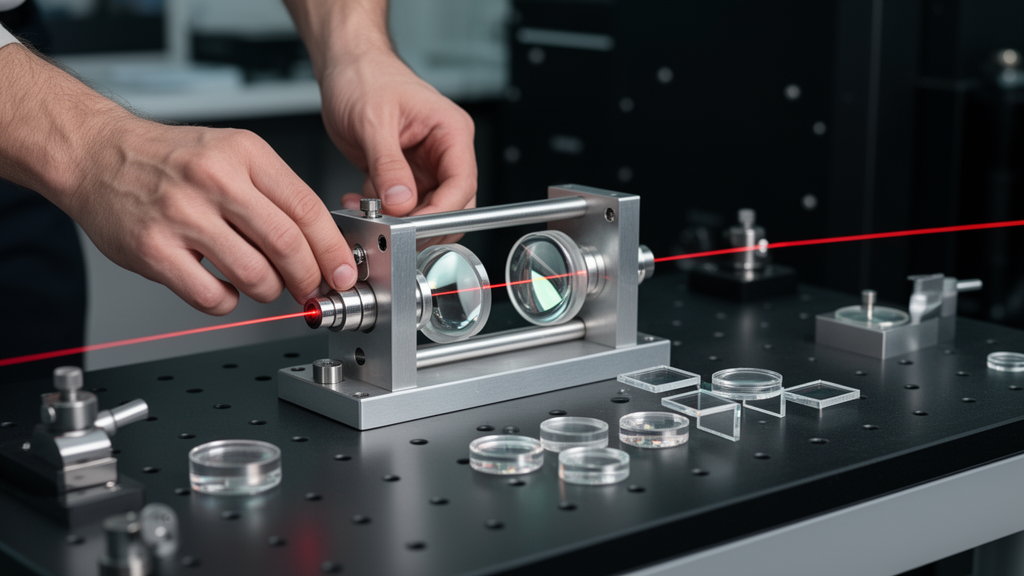
A two-laser locking scheme stabilizes a Fabry-Pérot cavity while allowing dynamic tuning over 100 MHz with sub-megahertz precision.

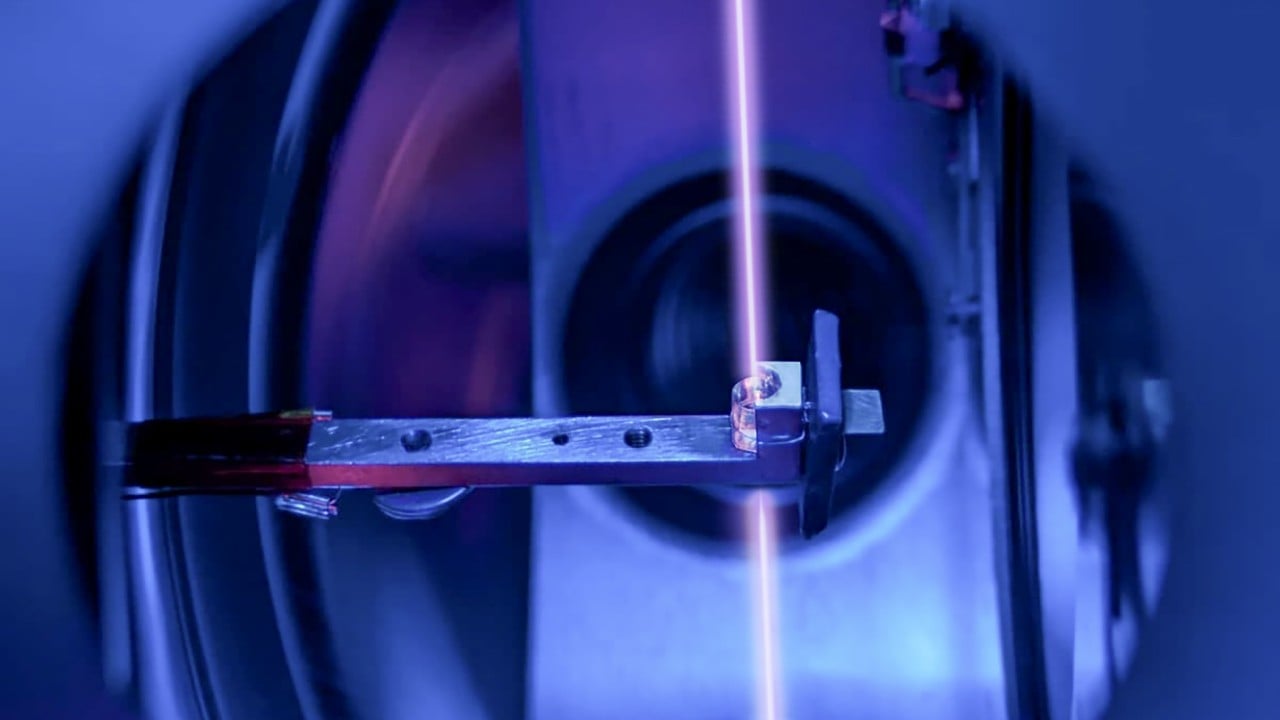
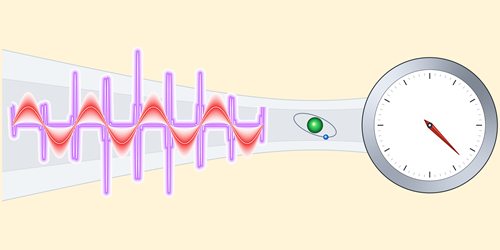
A thorium-229 nuclear clock uses feedback from atomic nuclei to correct laser-frequency drift, operating for more than 24 hours with frequency instability approaching one part in a...
Author(s): Matteo RiniTwo independent teams have built operating nuclear clocks—devices that might one day rival the best atomic clocks and offer new ways to probe fundamental phys...
Initial results from the world’s first two working nuclear clocks indicate that China’s timepiece is about six times as stable as the one in Vienna, according to papers published t...
Author(s): Ryan WilkinsonPhotoelectron interference can reveal otherwise hidden properties of quantum light through an apparent attosecond time shift.[Physics 19, s125] Published T...
Use SocialBu to discover ideas, generate post drafts, and schedule them across your social channels.