AKABU Sake: Taste, Bottles and the Story of Iwate’s Rebuilt Brewery
Pour AKABU (赤武) chilled and its signature becomes clear. There is a fresh, fruit-like aroma, gentle sweetness and bright acidity that leaves the finish clean. The style feels mod...

Isojiman (磯自慢) is a sake brand from Isojiman Shuzo, a brewery founded in 1830. It is based in Yaizu, a fishing port in Shizuoka Prefecture. The brewery describes itself as an ea...
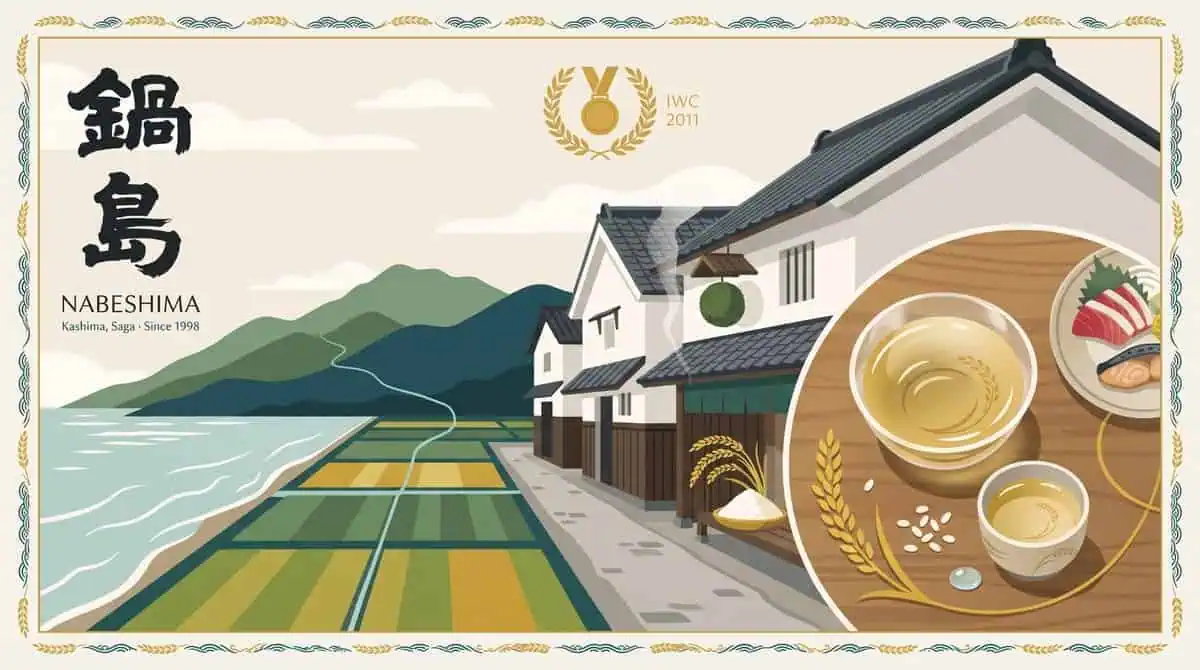
Picture a quiet brewing street near the Ariake Sea, lined with white-walled storehouses. In 2011, a sake from one of those breweries took the top sake prize at the International Wi...
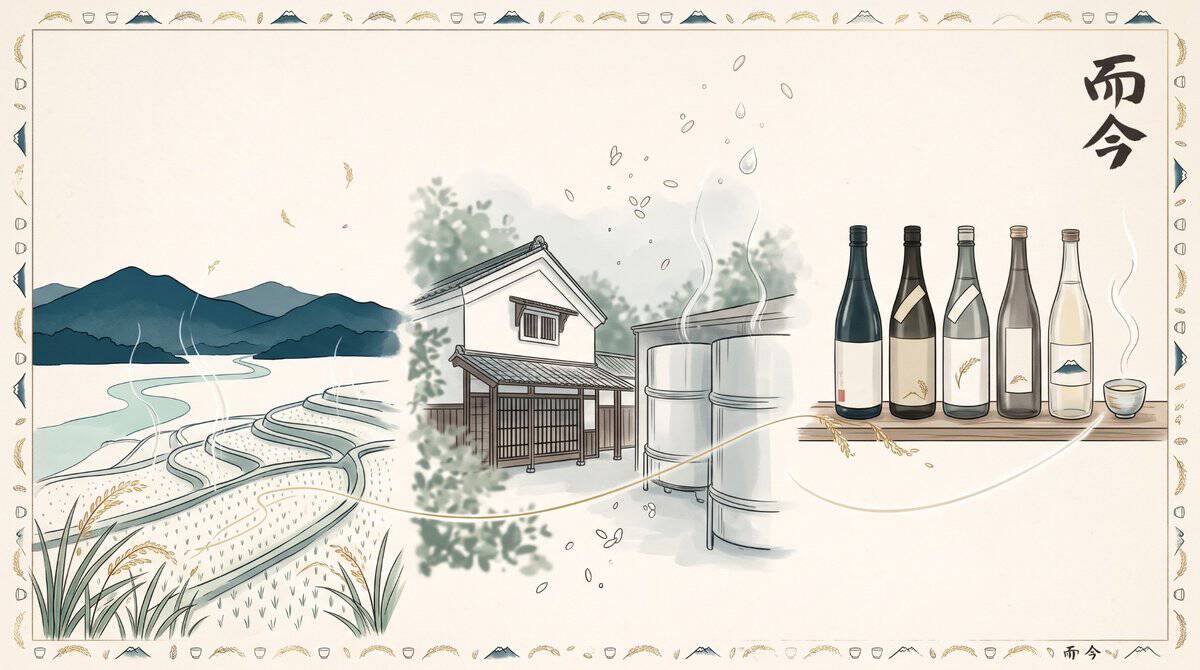
Jikon (而今) is a Japanese sake brand from Kiyasho Shuzo, a brewery in Nabari, Mie Prefecture. The brewery itself, though, dates to 1818. Jikon, however, is a much younger idea. It...
Open a well-chilled bottle of Kaze no Mori sake, and the first sip may prickle gently. It feels more like a lively young white wine than a sparkling drink. However, nobody added th...
Most sake stories begin with a brewery tank. Kamoshibito Kuheiji (醸し人九平次) begins in a rice field. Banjo Jozo in Nagoya makes it. By the brewery’s own description, the sake sh...
The brewery describes its taru sake as carrying the fresh scent of Yoshino cedar over a clean, dry sake base. That pairing of crisp sake, savory depth and wood aroma comes from Nad...
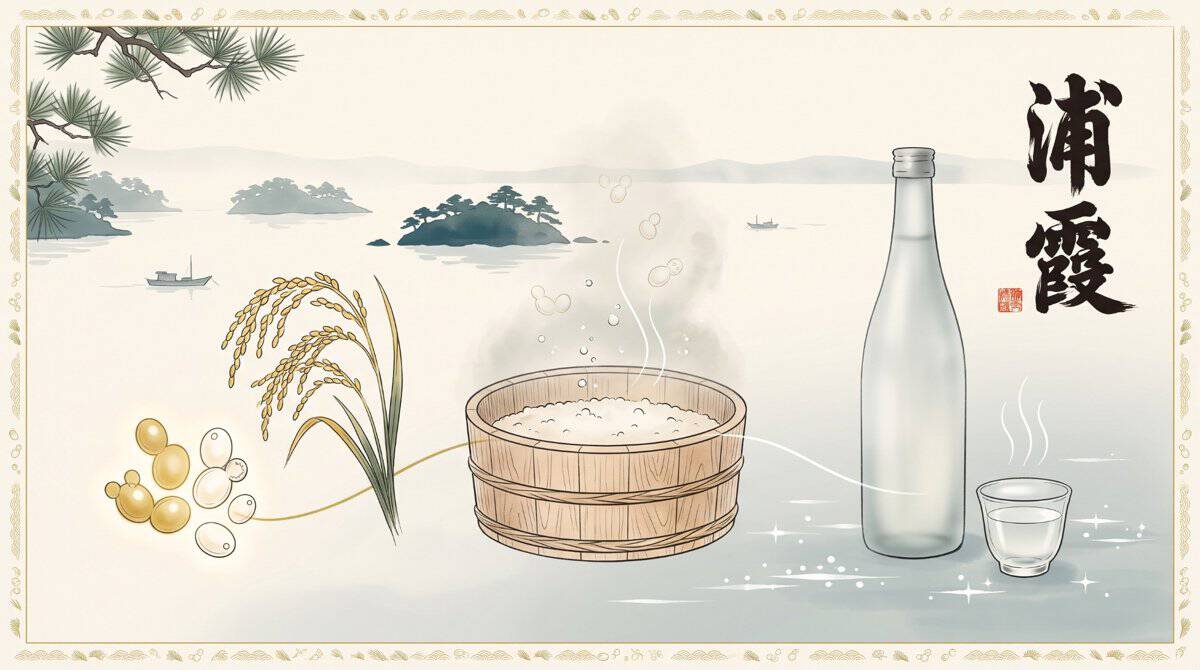
The brewery describes Urakasumi Zen as gently fruity, fresh, and moderately savory. Zen is restrained rather than strongly perfumed, which makes it, in our view, an easy partner fo...
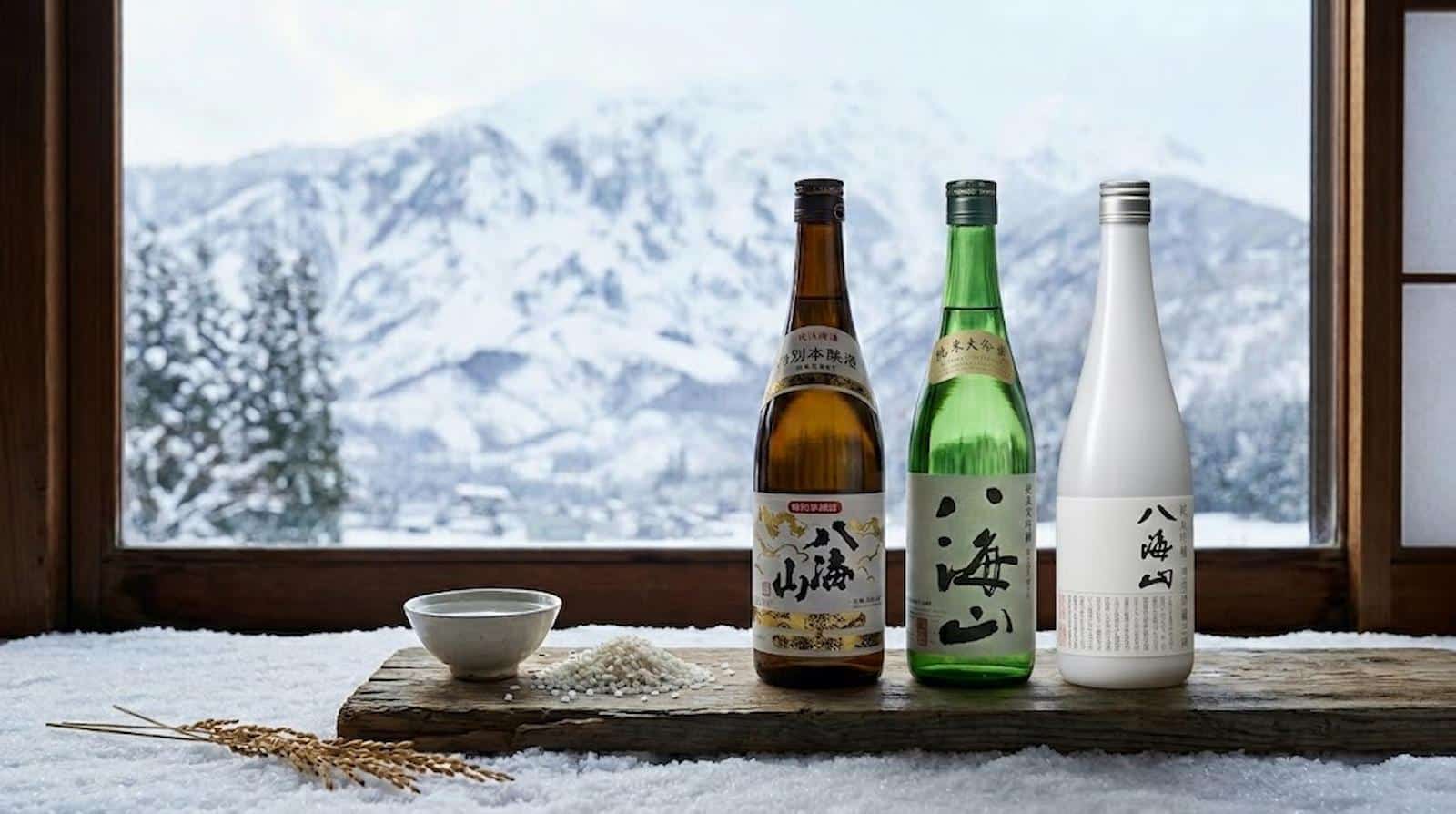
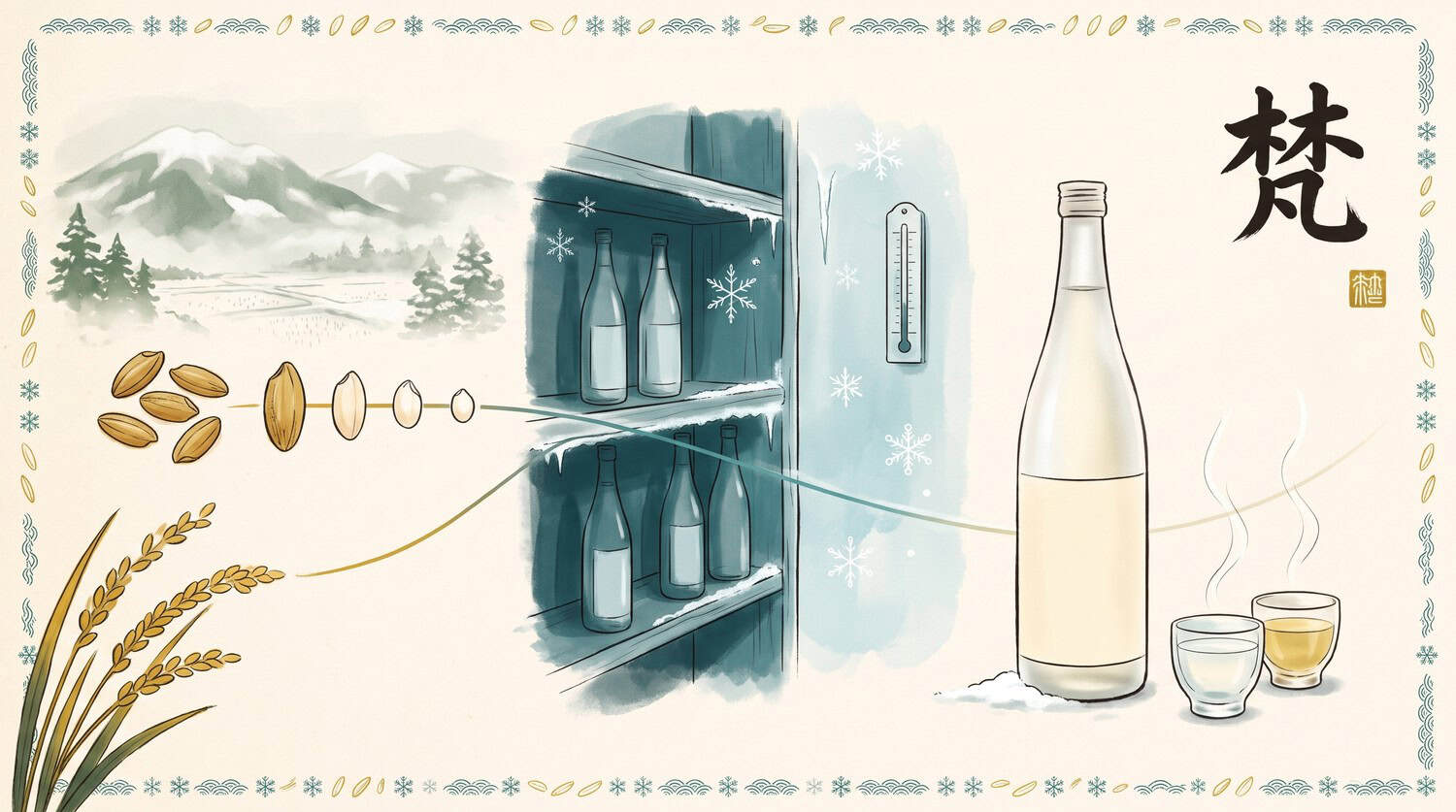
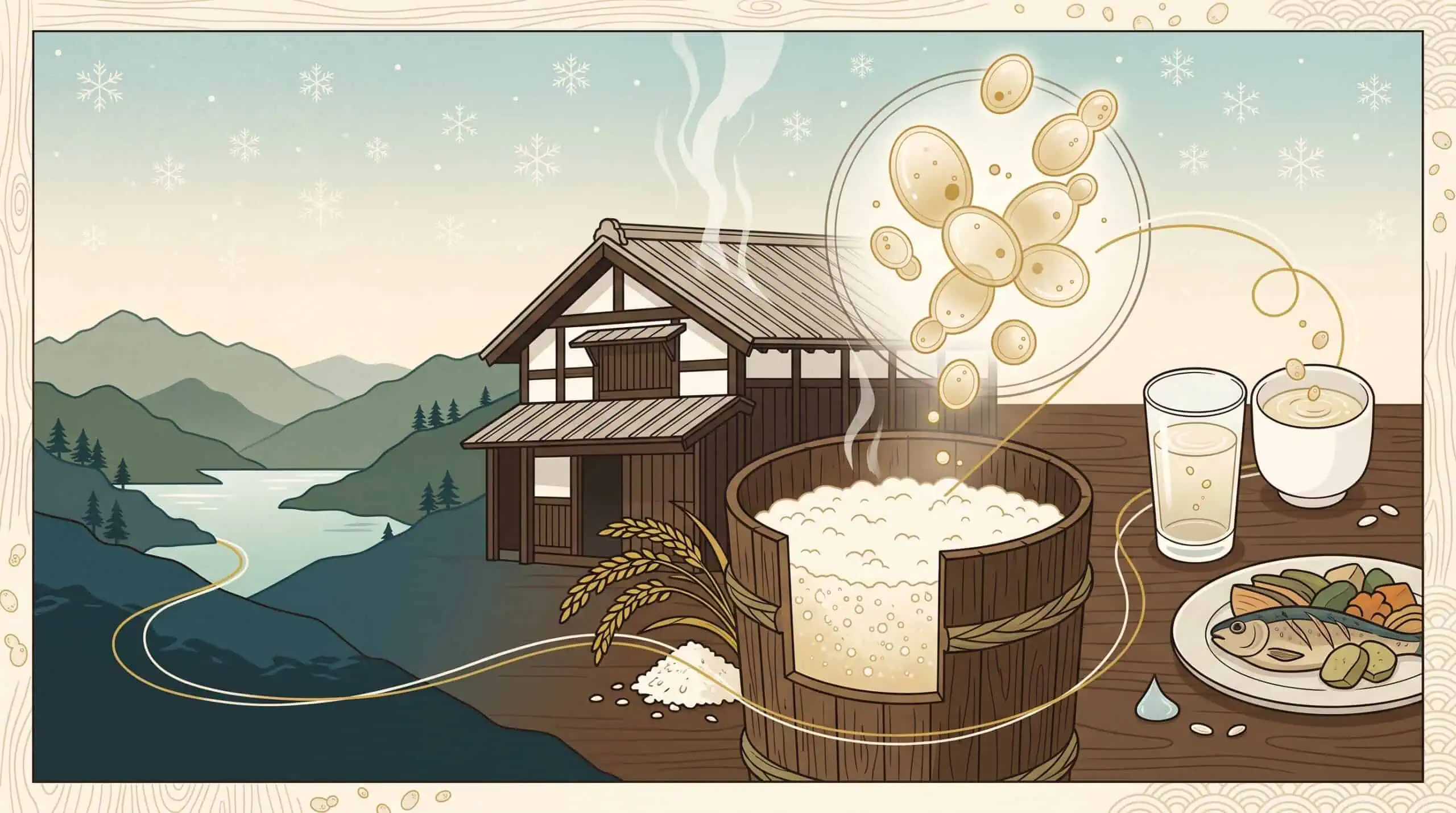
For much of the winter, deep snow covers the valley around Minamiuonuma in Niigata Prefecture, although the depth varies by place and year. However, the brewery there does not trea...
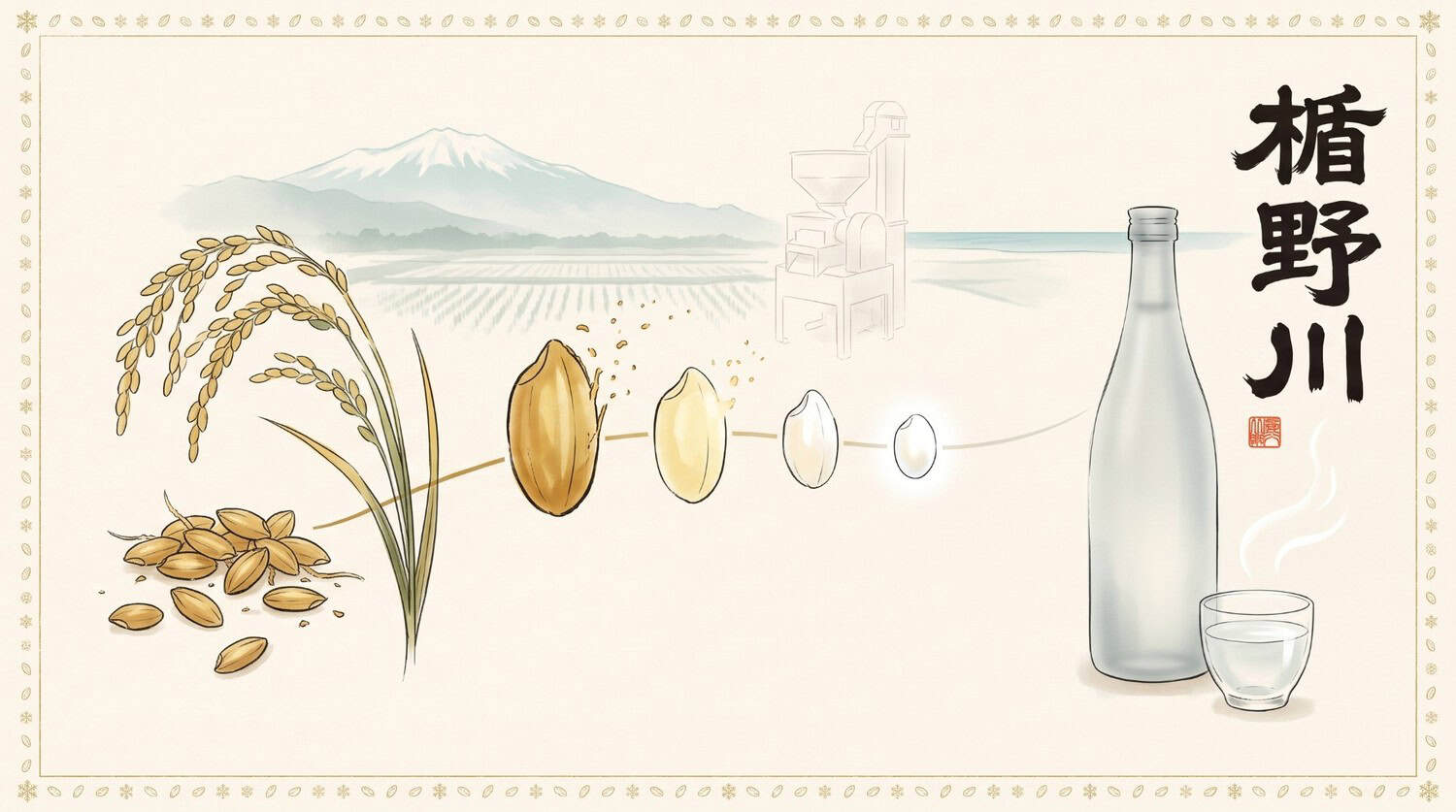
Tatenokawa (楯野川) is best known for a sake made from rice polished until only 1 percent of its original weight remains. Yet the brewery is more than one record number. In Sakata,...
Walk into a sake shop today and you will see “junmai” on bottle after bottle. Junmai, often translated as pure rice sake, contains no added brewing alcohol. It feels ordinary now....
One bottle is lightly cloudy and velvety. Another is dry, with aromas the brewery compares to pink grapefruit. A third rests in whisky casks, and the brewery describes maple and va...
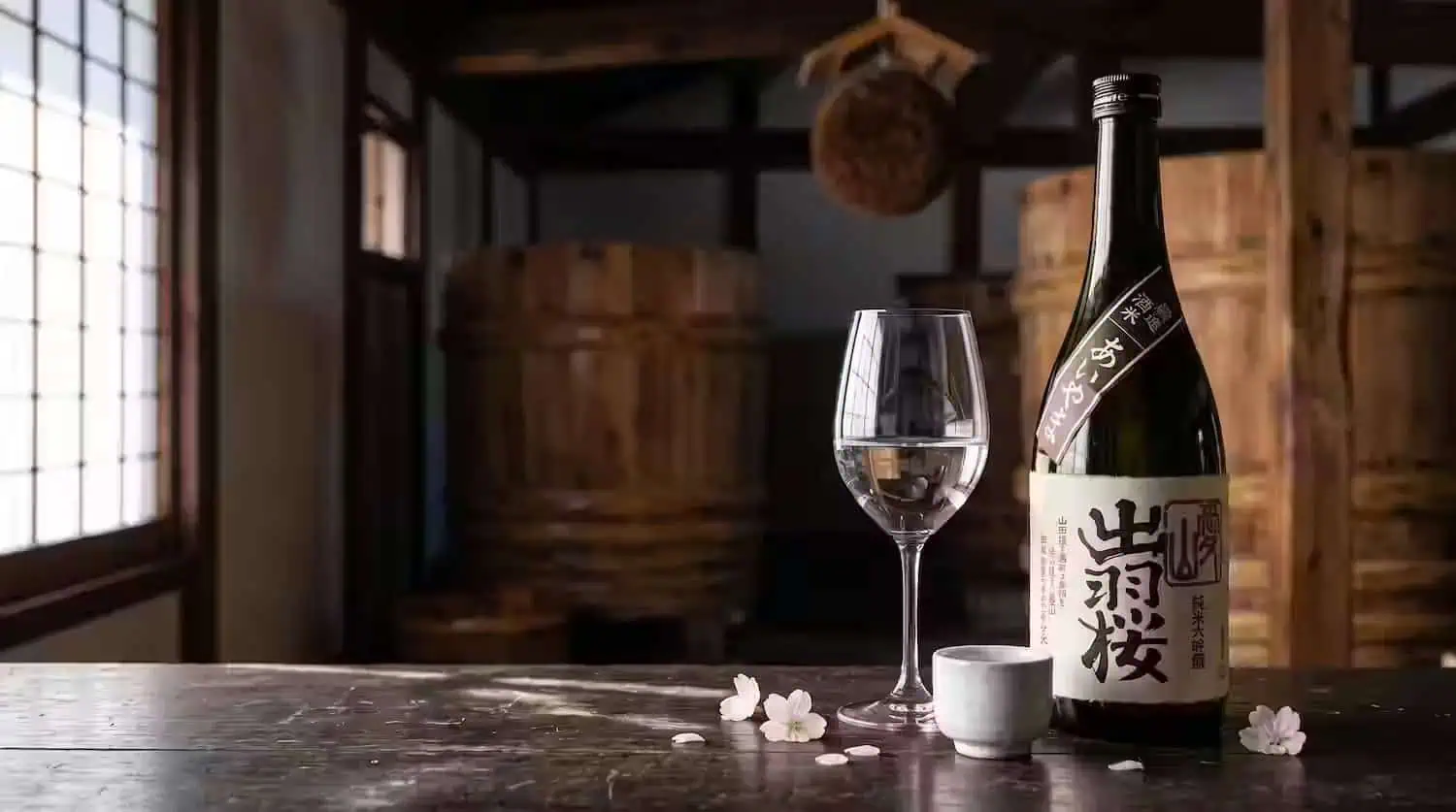
Today, fragrant ginjo sake is easy to find in Japan and overseas. In 1980, however, few everyday drinkers knew the word “ginjo.” Dewazakura is a sake brewery founded in 1892 in Ten...
Across the Born range, one bottle may be clear and fruit-led, while another, such as Tokishirazu, shows a pale-gold color and a more mature aroma. What connects them is time. The b...
Order Kubota at an izakaya, a casual Japanese pub, and you will usually get a restrained, smooth sake with a clean, quick finish. Kubota sake is a Niigata brand made by Asahi-Shuzo...
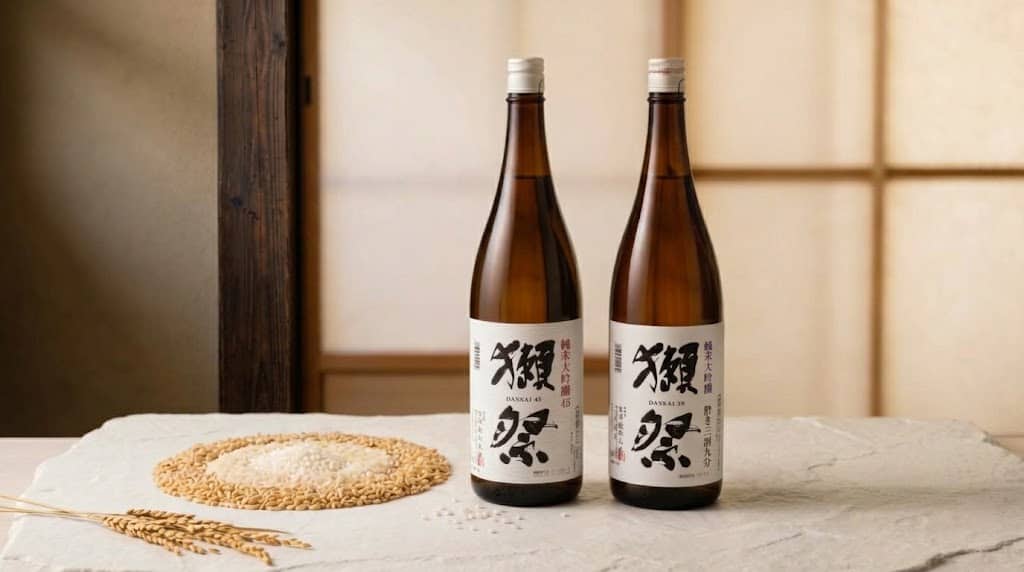
Bottles with a bold “23” on the label appear on sake lists in Japan and overseas. The figure is easy to mistake for alcohol strength, but it means something else. Dassai sake is a...
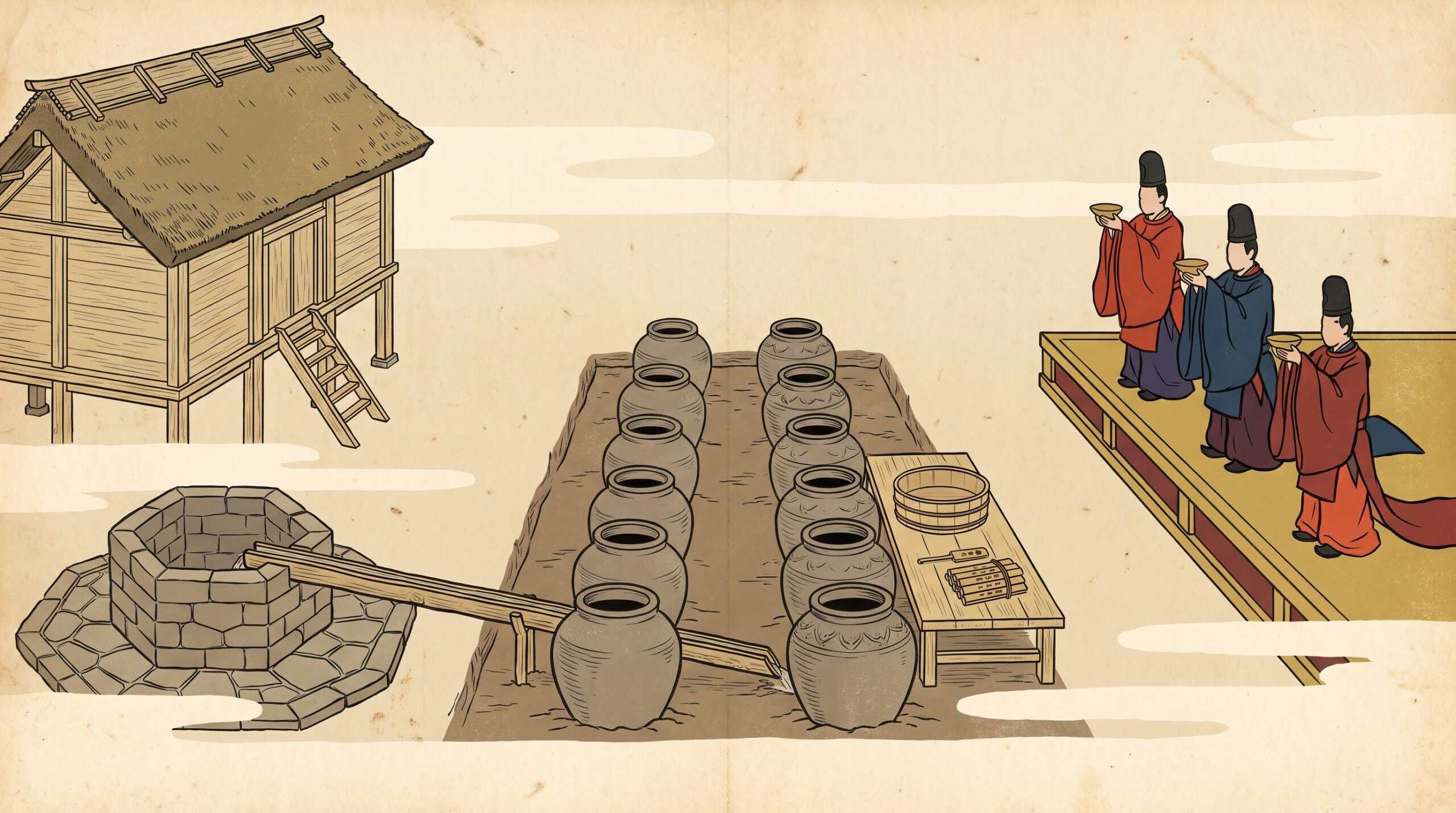
Beneath the grass of the Heijo Palace site in Nara, archaeologists uncovered a well surrounded by hexagonal stone paving. Nearby lay wooden pipes, the sockets of large ceramic jars...
In 1975, a brewery in Fukui Prefecture released a daiginjo at a time when such highly refined sake was still closely tied to technical competitions rather than ordinary retail. Dai...
If you’ve browsed the sake shelf in a Japanese supermarket, you’ve probably seen Hakutsuru. The name means “white crane,” and the brand reaches from everyday paper cartons to premi...
Most sake brands are known for a taste, a rice, or a famous bottle. Masumi is known for something you cannot see: a yeast. In 1946, researchers isolated a yeast from sake fermentin...
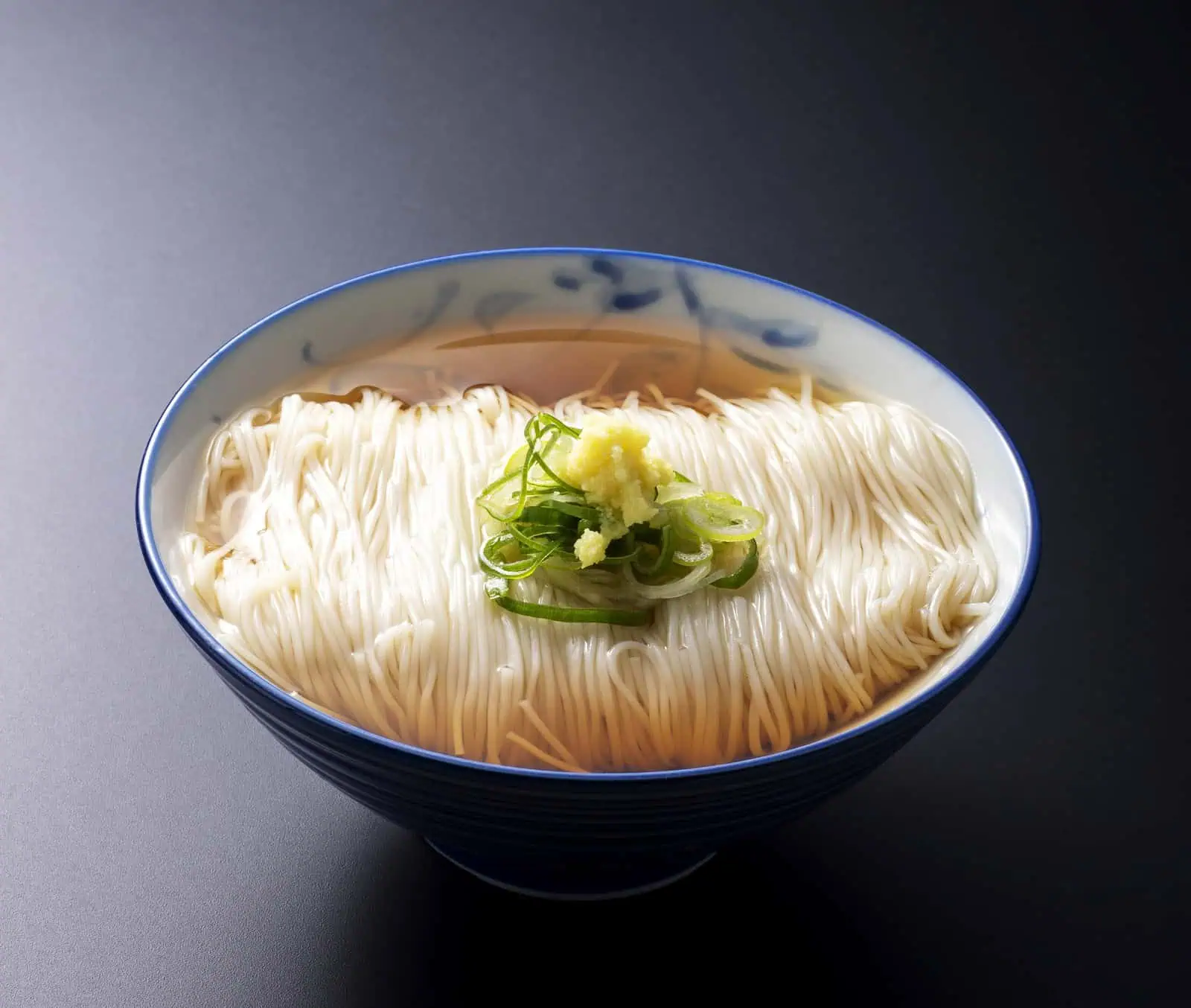
Climb the hundred stone steps at Oiwasan Nissekiji Temple, and the smell that reaches you is dashi. Oiwa somen is the noodle specialty of the Oiwa district in Kamiichi Town, Toyama...
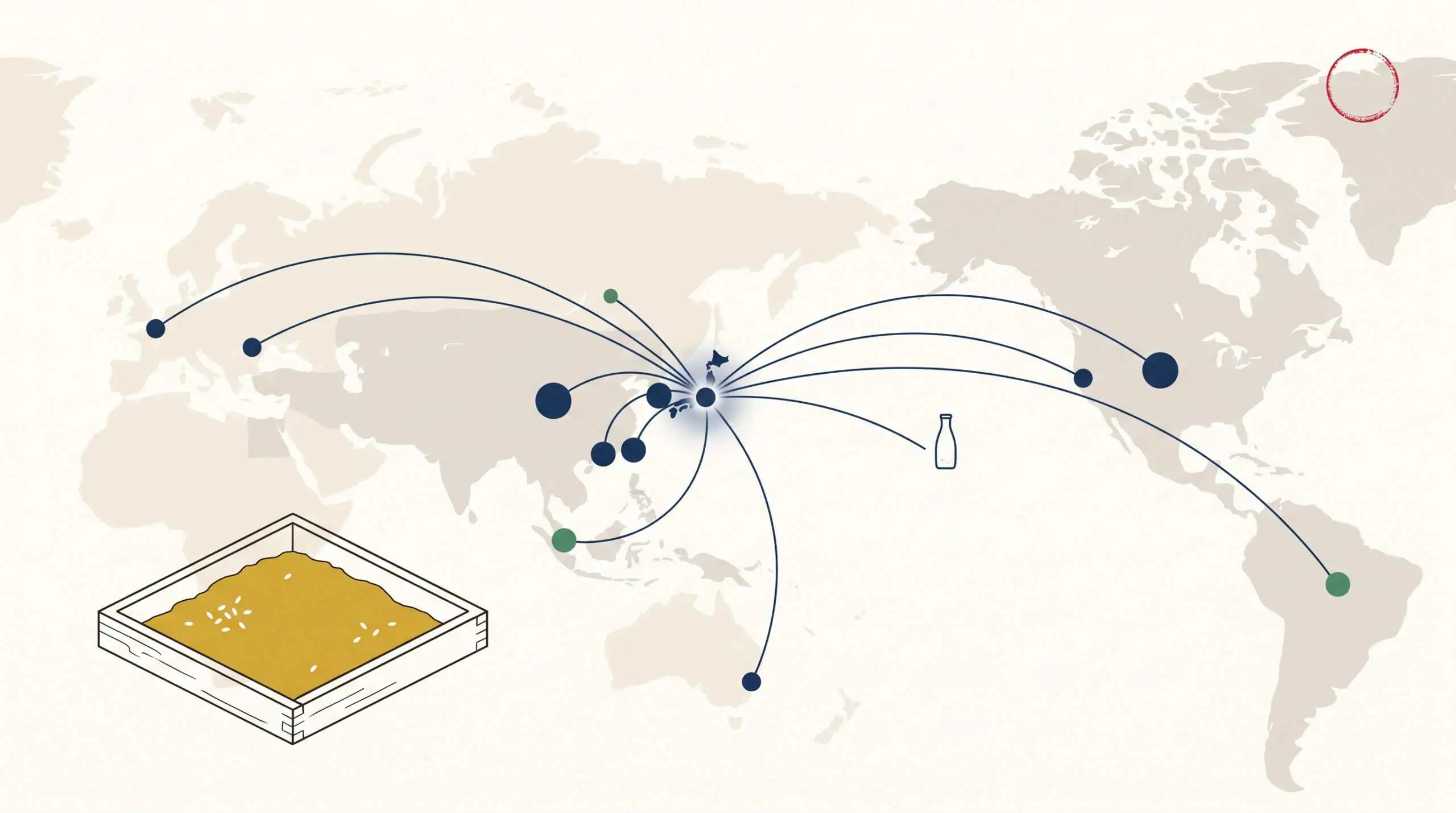
In 2025, Japan exported about 45.9 billion yen of sake to a record 81 countries and regions. Meanwhile, the country’s own sake drinkers kept buying less, as they have almost every...
Use SocialBu to discover ideas, generate post drafts, and schedule them across your social channels.