Latest updates for Nihonshu

Fresh curated links around nihonshu are collected here so marketers can spot useful updates and turn timely ideas into posts faster.

Recent items include:

  • Sokujo (速醸): The Modern Yeast Starter
  • Moromi (醪) : The Main Fermentation Mash
  • Pressing (上槽 / Joso): How Moromi Becomes Sake

Post angles to try

Share the most useful takeaway for your audience.
Turn one article into a quick practical checklist.
Ask your audience how this shift affects their work.
Turn angles into scheduled posts

Fresh articles and ideas

Recent curated links from global sources. Generate one free draft from any story, then use SocialBu to schedule and refine your content calendar.

foodinjapan.org /1 month ago

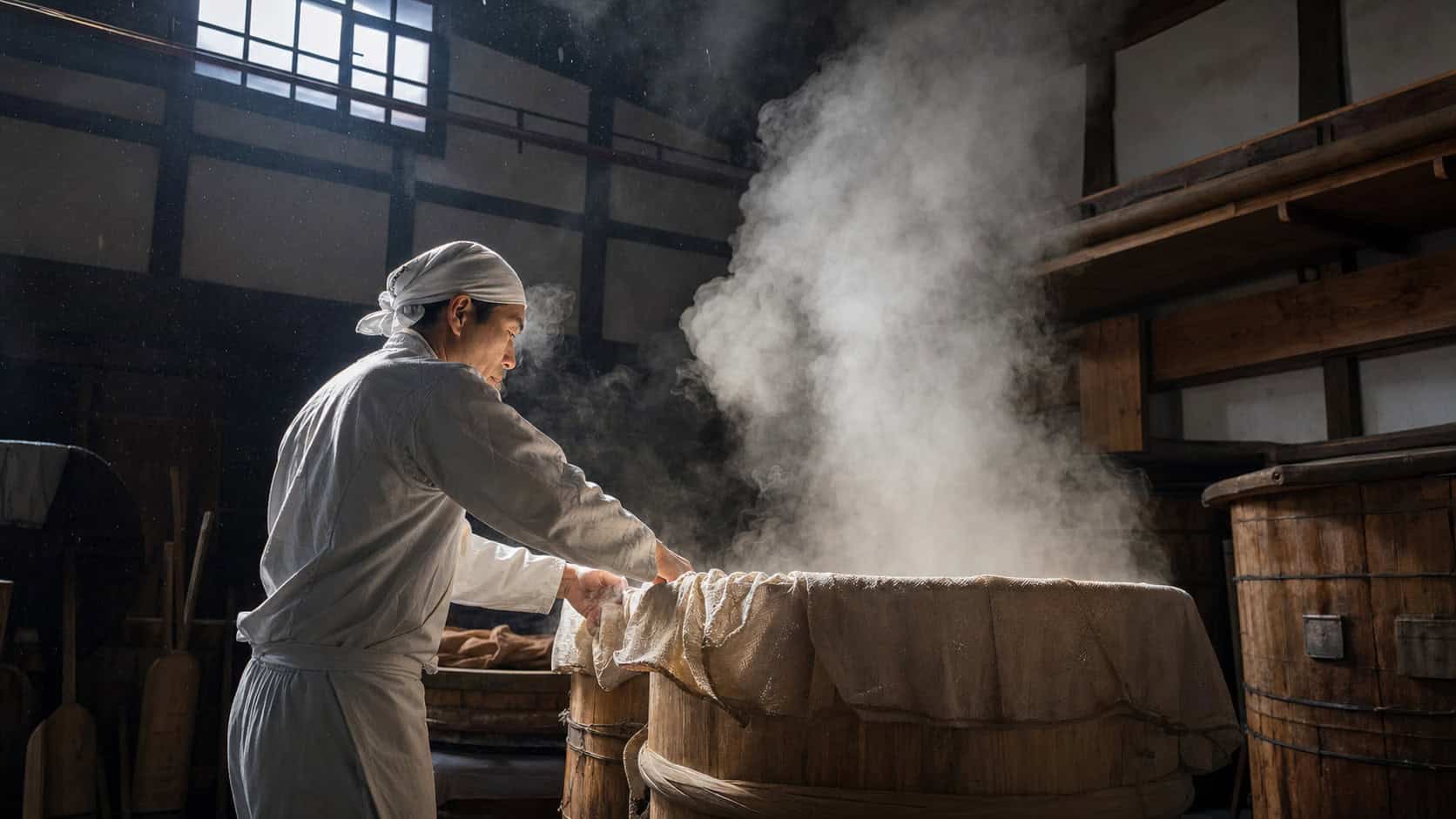
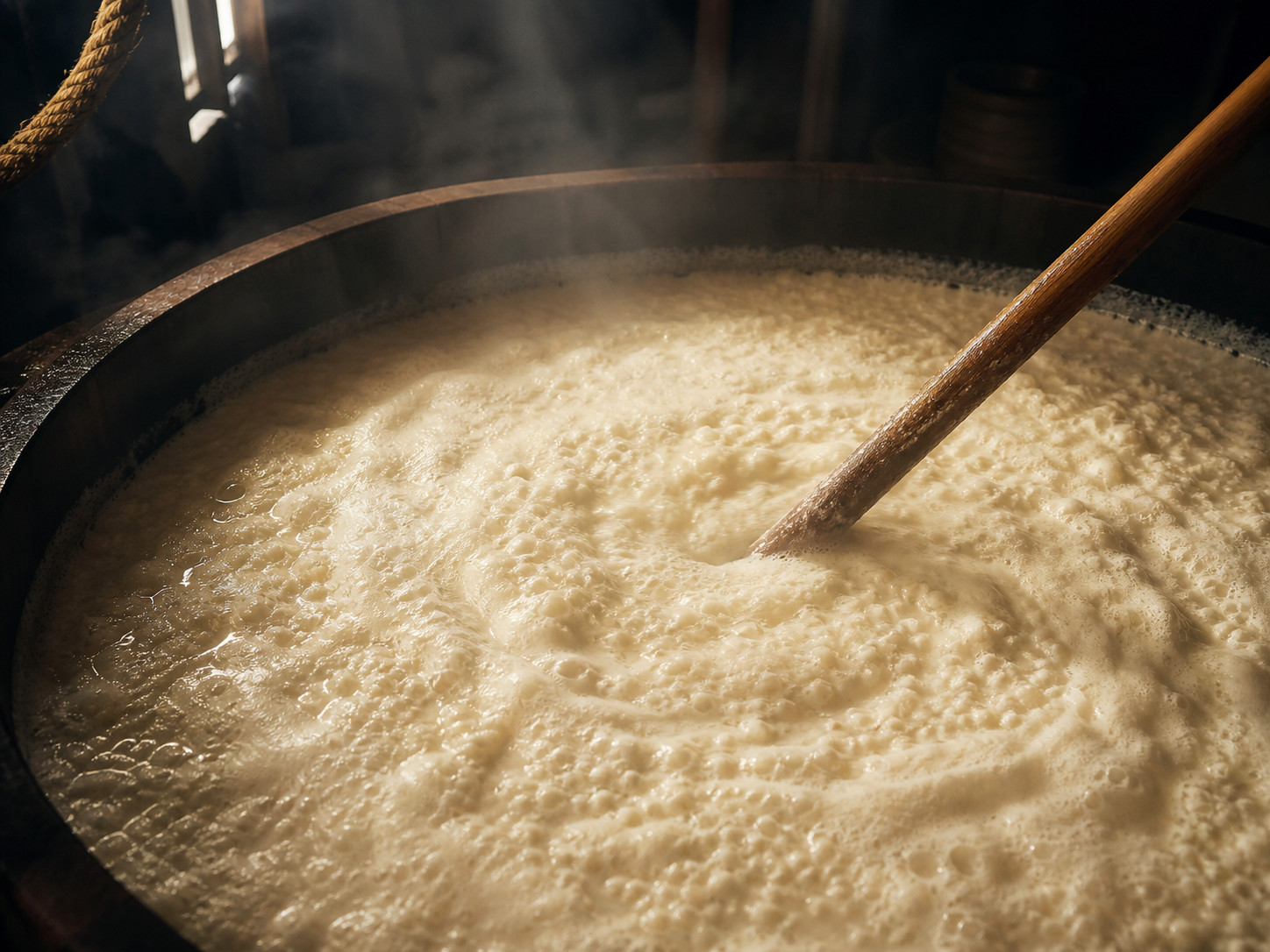
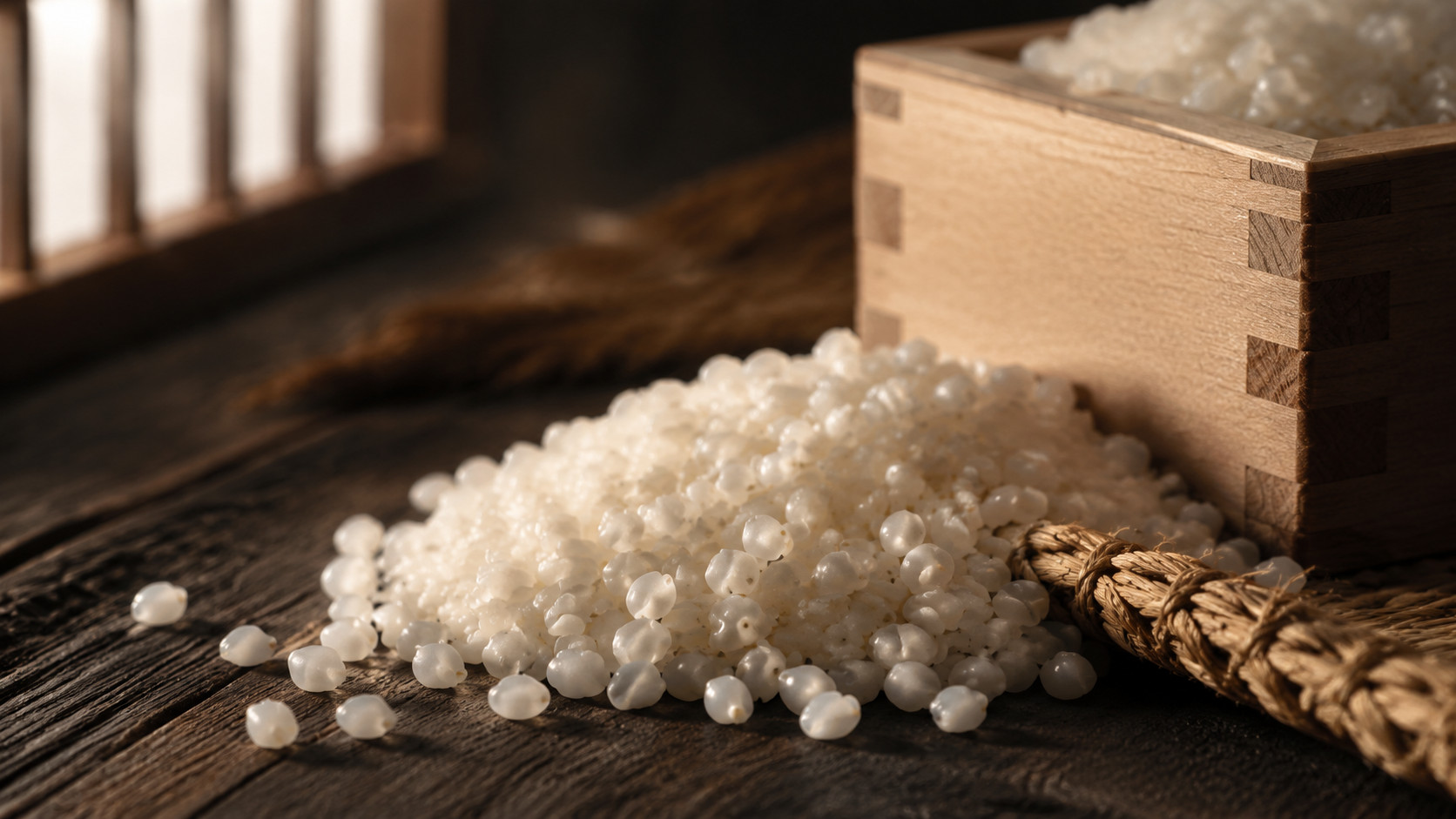
Sokujo (速醸): The Modern Yeast Starter

Nearly every bottle of sake you drink starts the same way. It begins with a yeast starter called moto. So what is sokujo in sake brewing? Sokujo is the modern method for making tha...
Read source
foodinjapan.org /1 month ago

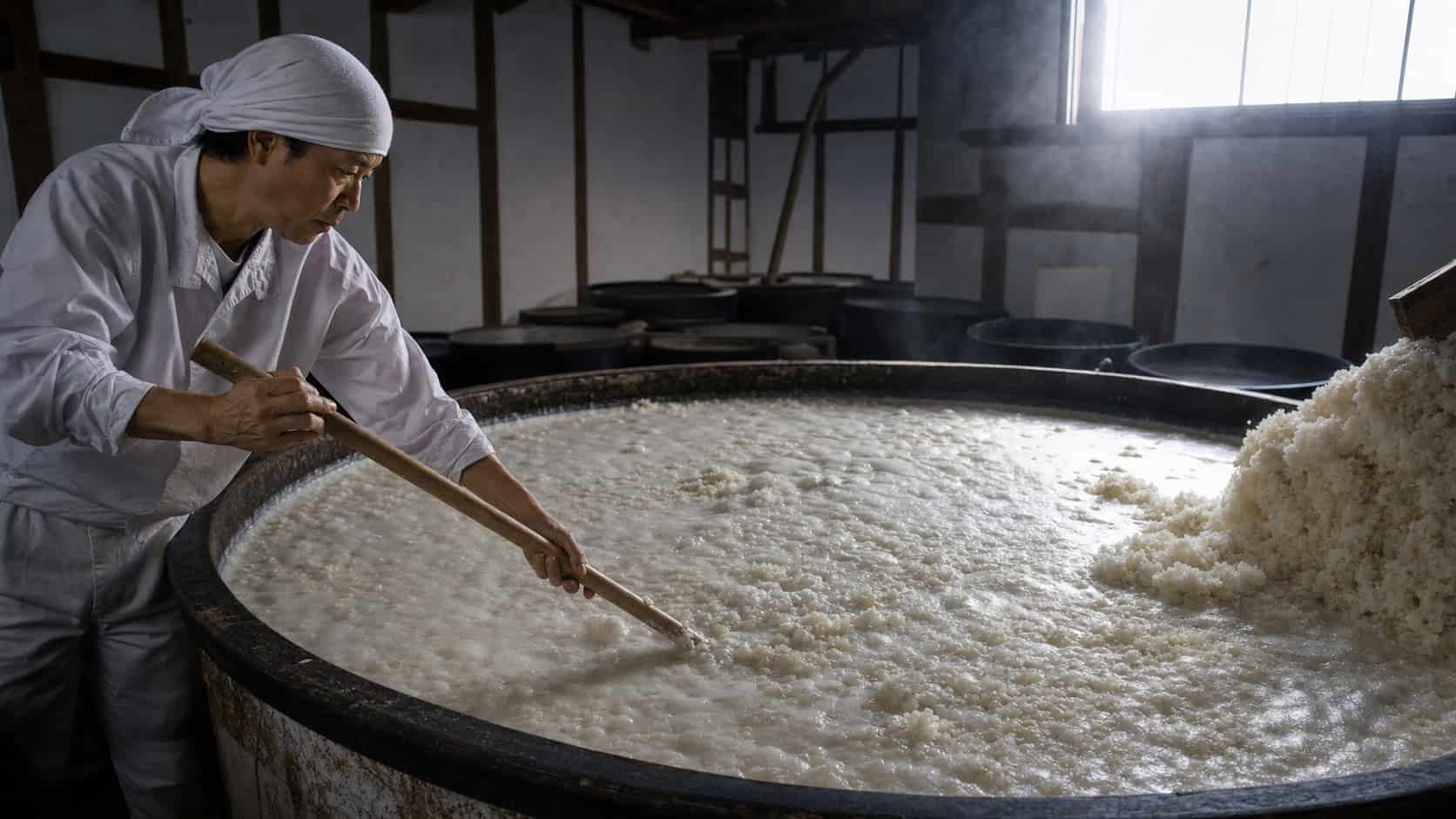
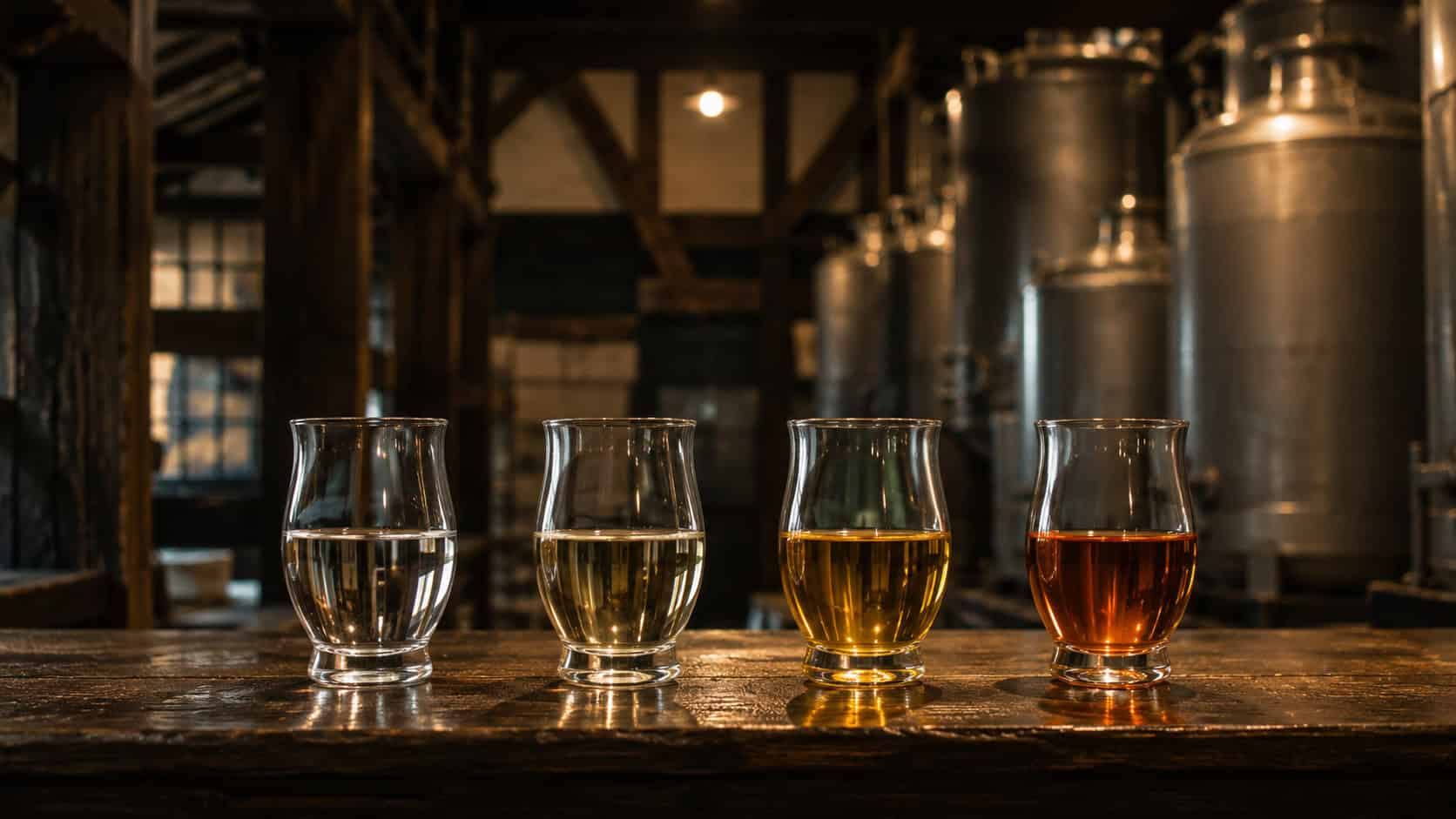
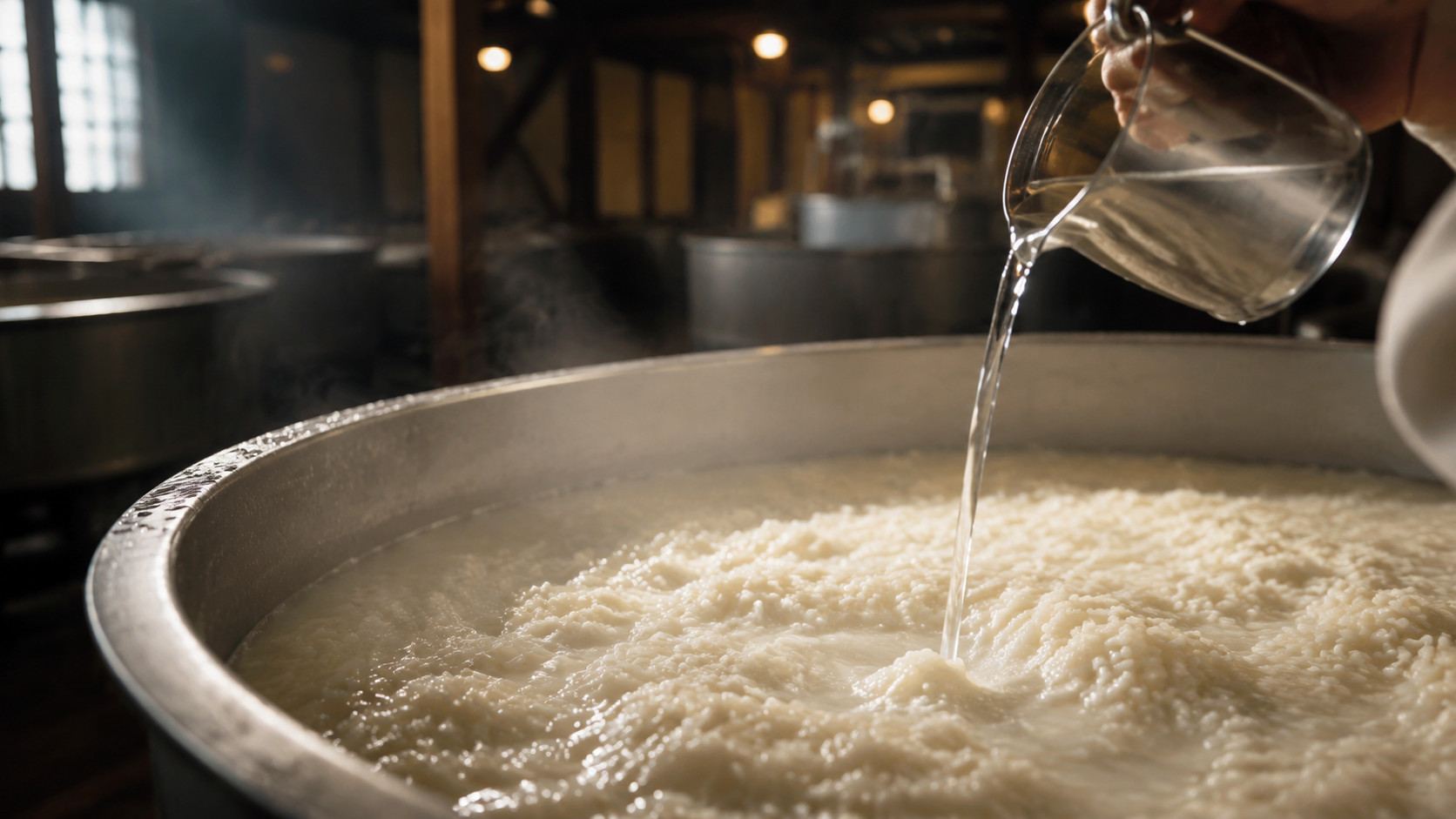
Moromi (醪) : The Main Fermentation Mash

Sake truly takes shape in one bubbling tank. That tank holds the moromi. So what is moromi in sake brewing? Moromi, written 醪 in Japanese, is the main fermentation mash of sake....

Read source
foodinjapan.org /1 month ago

Pressing (上槽 / Joso): How Moromi Becomes Sake

Imagine weeks of careful fermentation finally complete. The tank holds a thick, milky mash called moromi. Yet this cloudy mixture is not sake just yet. Pressing in sake brewing is...

Read source
foodinjapan.org /1 month ago

Sake Rice (酒米): The Foundation of Premium Sake

Sake rice is the quiet hero behind every great bottle of Japanese sake. Indeed, most people never see it, yet it shapes aroma, body, and finish. So what is sake rice, exactly? It i...

Read source
foodinjapan.org /2 weeks ago

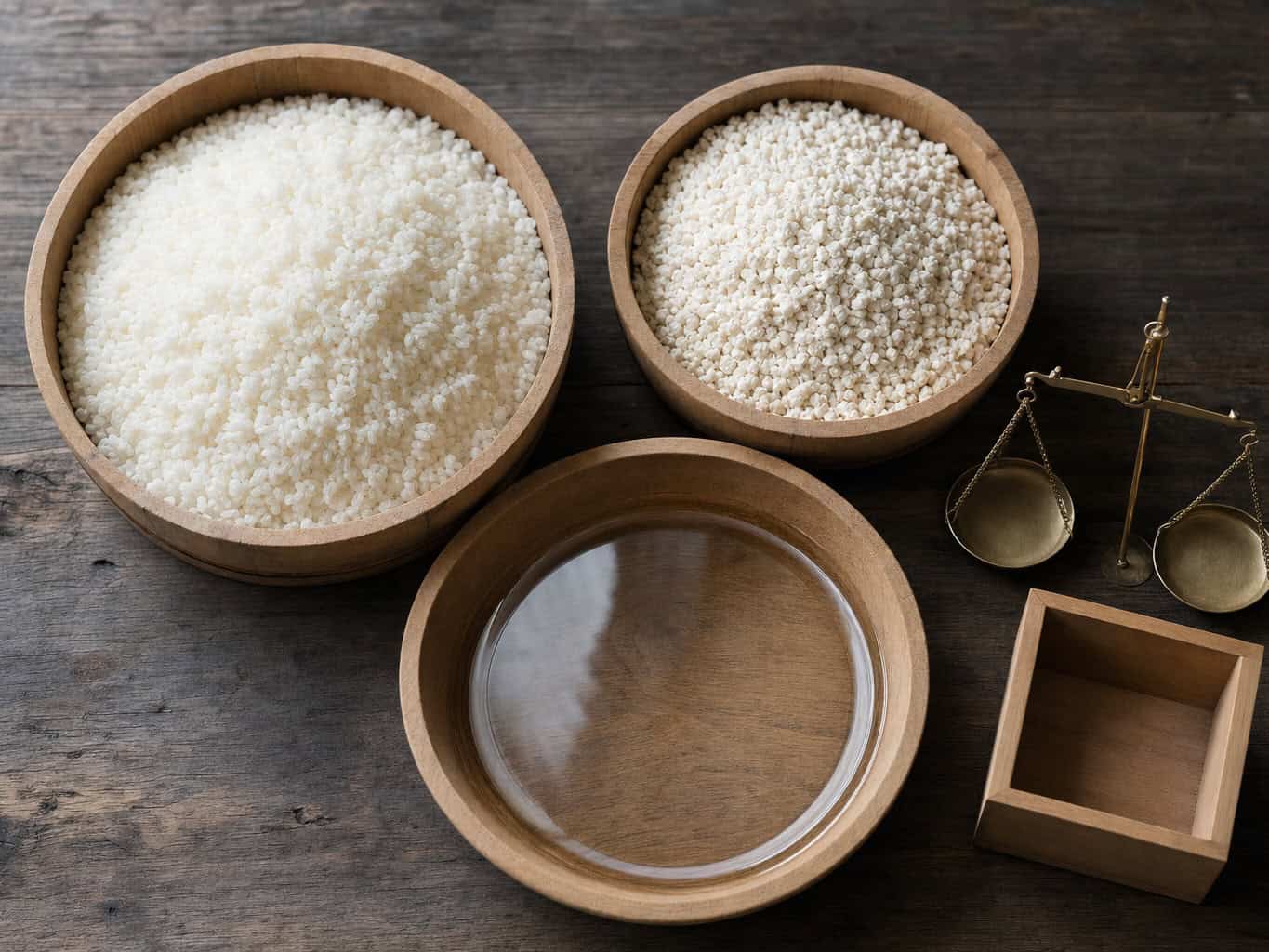
Kumimizu Buai (汲水歩合): The Water-to-Rice Ratio That Shapes Sake

Kumimizu buai (汲水歩合) is sake’s water-to-rice ratio. Brewers calculate it by dividing the brewing water in liters by the total rice in kilograms, then multiplying by 100. Most b...

Read source
foodinjapan.org /4 weeks ago

Warimizu (割水): Why Water Is Added Before Bottling Sake

Ask someone how sake reaches its final strength, and most people picture the fermentation tank. Yet one of the last and most quietly important steps happens after brewing is basica...

Read source
foodinjapan.org /1 week ago

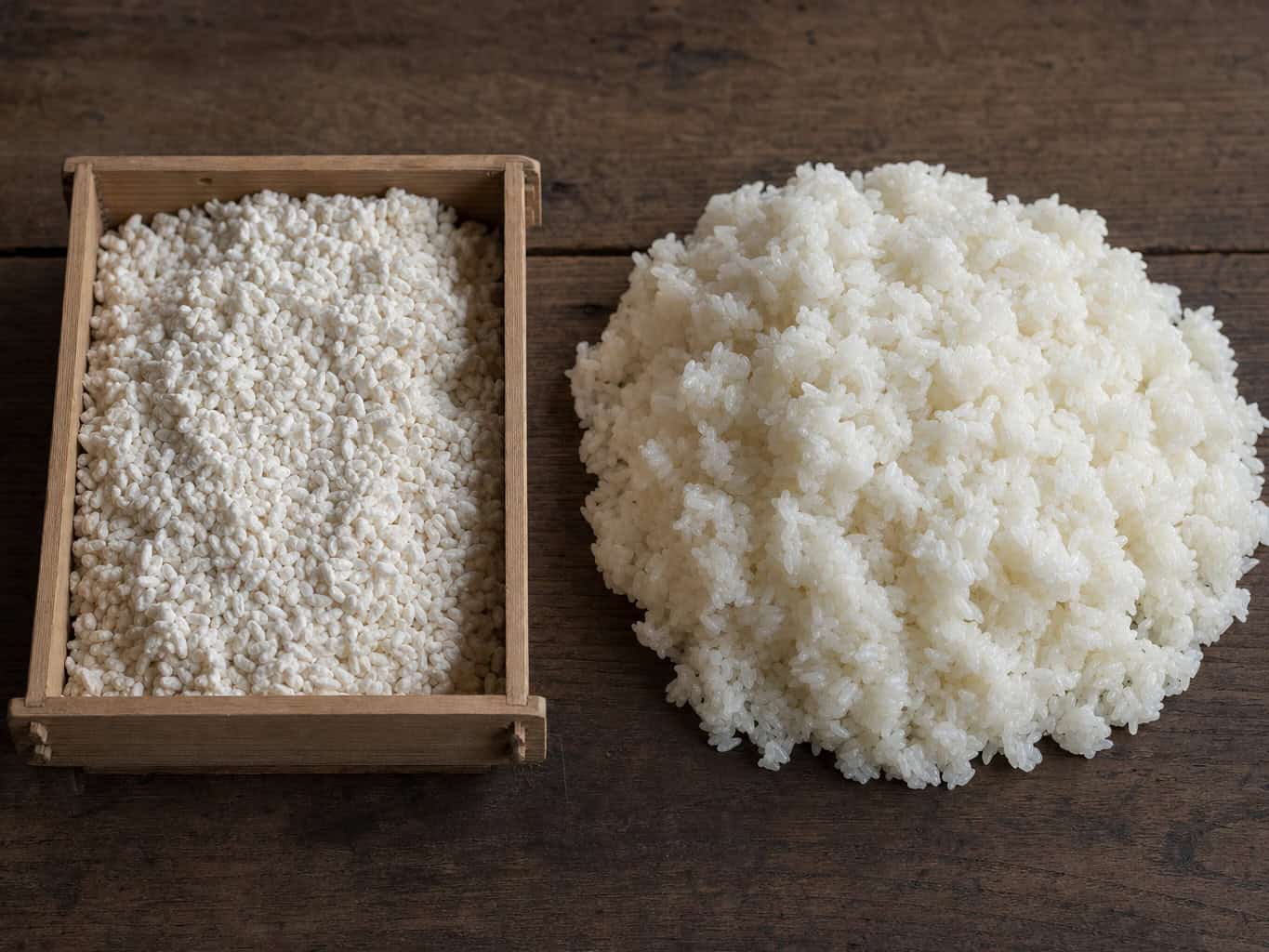
Koji Buai (麹歩合): How Much Rice Becomes Koji

Ask a brewer what makes sake possible and the answer rarely starts with rice. It starts with koji. Yet koji is not added freely, and the amount is measured to the kilogram. That me...

Read source
foodinjapan.org /1 month ago

Sandan Jikomi: Sake’s Three-Step Mashing Method

Sandan jikomi is the traditional three-step method of building the main fermentation mash in sake brewing. Brewers add steamed rice, koji, and water in three stages, spread across...

Read source
foodinjapan.org /1 week ago

Jukusei (熟成): How Aging Transforms Sake

Jukusei (熟成) is the maturation of sake after brewing has finished. During this stage, time, temperature, and storage conditions gradually reshape its aroma, flavor, color, and te...

Read source
foodinjapan.org /1 month ago

Kimoto (生酛): The Traditional Yeast Starter

Have you ever tasted a sake with firm acidity, deep umami, and a quietly earthy structure? There is a good chance its character began in the yeast starter. In traditional kimoto sa...

Read source
foodinjapan.org /4 weeks ago

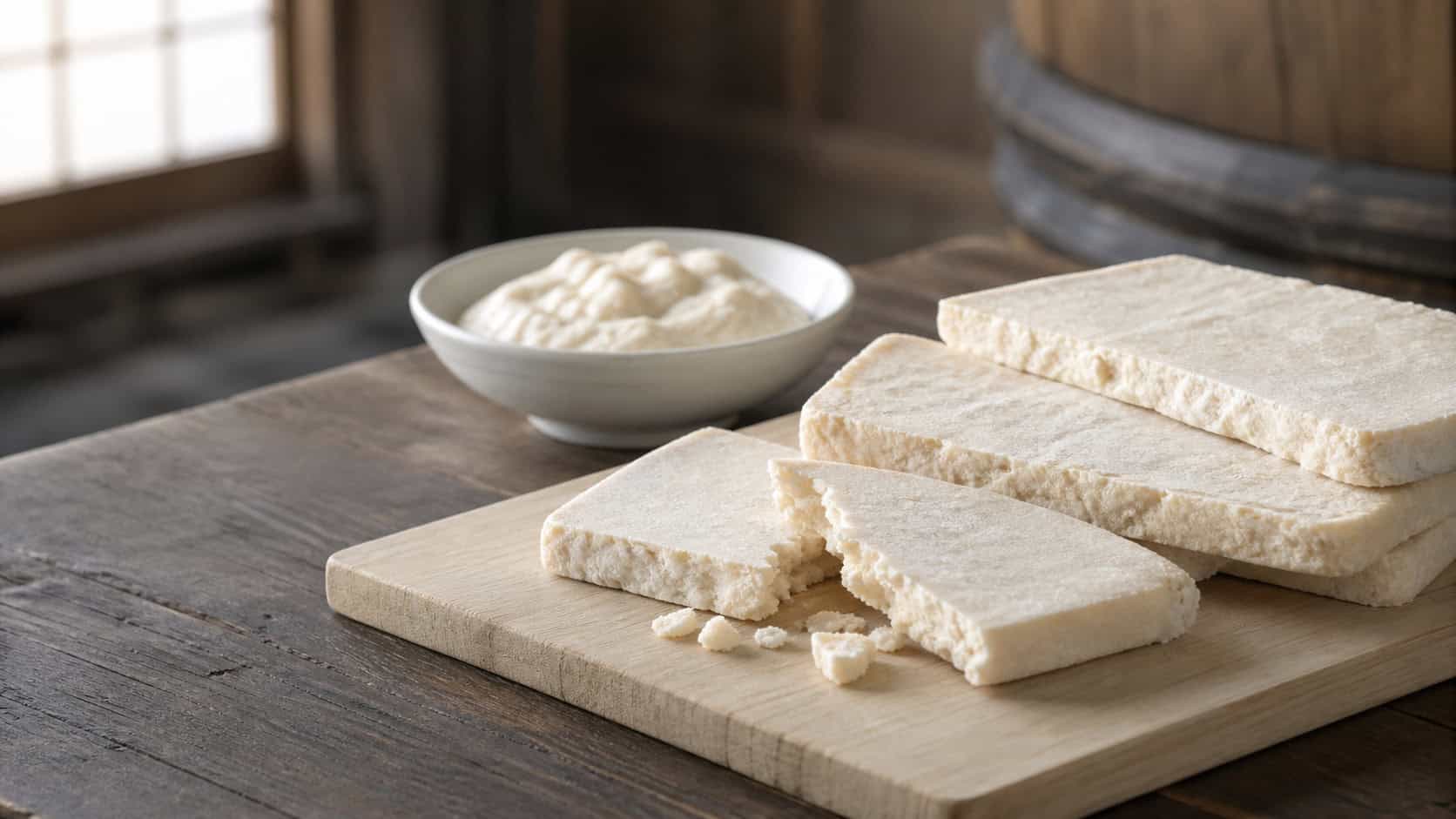
Sake Kasu (酒粕): Sake Lees from Brewing to Table

Every bottle of sake leaves something behind. After the fermented mash is pressed, a soft, pale, fragrant solid remains in the press. The Japanese call it sake kasu, and many peopl...

Read source
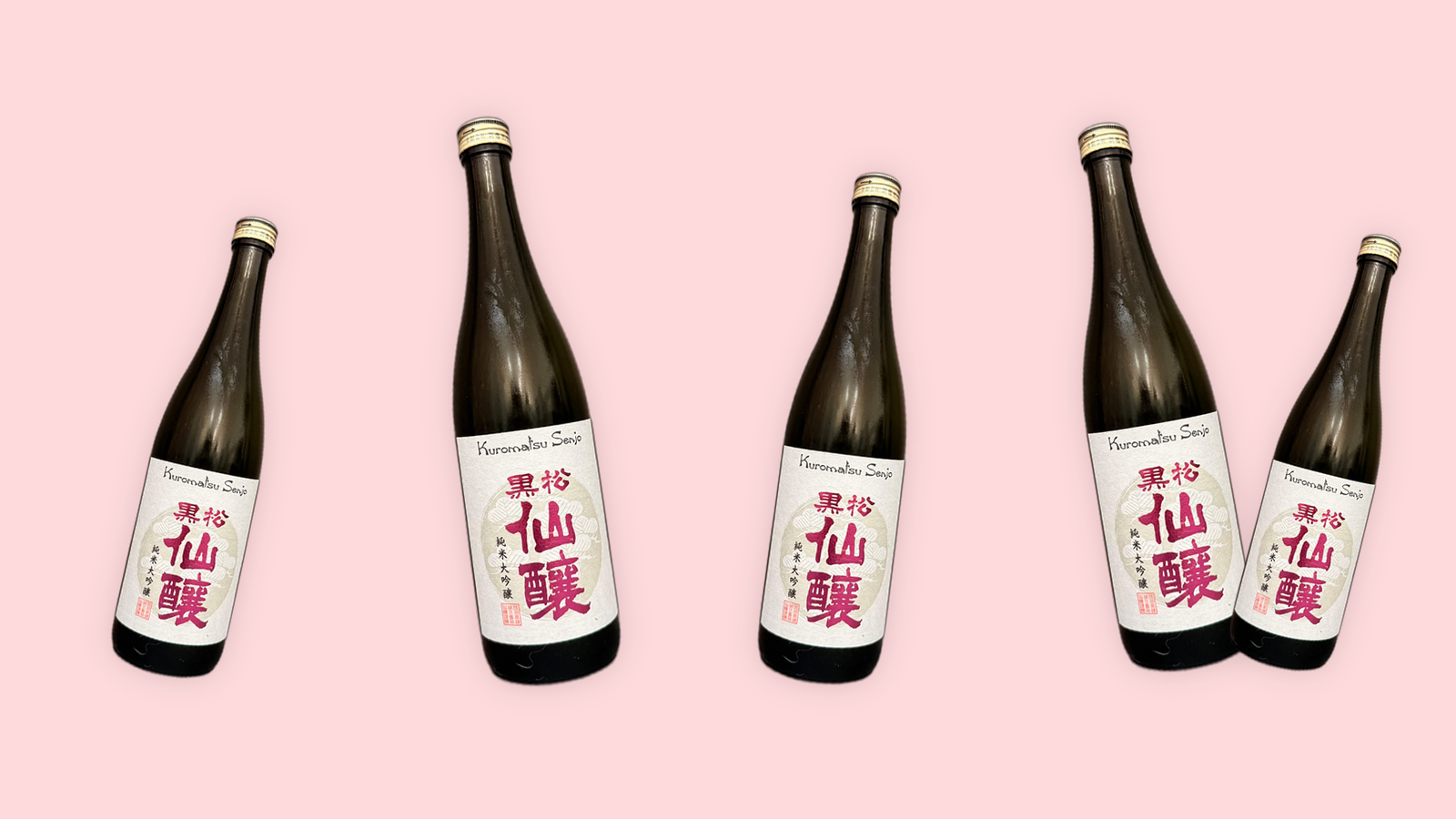
asia.nikkei.com /1 month ago

Upscale Japan sake brand looks to boost exports to Taiwan, Hong Kong

Read source
foodinjapan.org /1 month ago

Toji (杜氏): The Master Brewer Behind Every Bottle of Sake

Behind every great bottle of sake stands one guiding figure: the toji. So what is a toji? A toji is the master brewer who leads all of sake production. Indeed, this person oversees...

Read source
culy.nl /4 days ago

Nog nooit echt sake gedronken? Begin dan met deze tip van de enige Nederlandse master sakesommelier

Een sake tippen als wijntip van de week, zijn we gek geworden? Niet als je weet dat de fles ons getipt werd door de enige master sakesommelier van Nederland en dat 'ie zich ondanks...

Read source
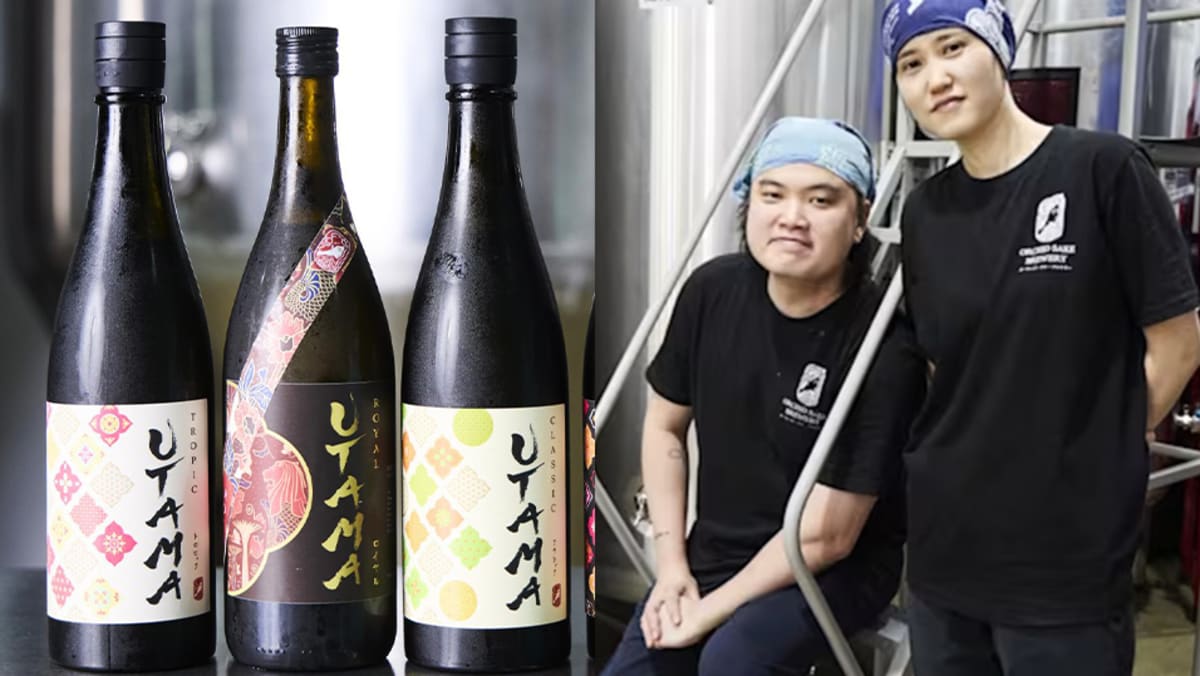
channelnewsasia.com /2 weeks ago

Singapore’s only sake brewery is in Jurong, making pulut hitam sake and winning recognition in Japan

Reuben Oh and Yumika Yamamoto overcame the challenges of brewing sake in Singapore to create distinctly local expressions now served at Michelin-starred restaurants, recognised in...

Read source
asia.nikkei.com /2 weeks ago

Japan's natural wine scene comes of age

Read source
foodinjapan.org /2 weeks ago

Shikomi Haigo (仕込配合): The Brewing Recipe That Defines Sake

Two breweries can start with the same rice variety, the same well, and the same yeast. Yet the sake in the glass tastes nothing alike. The reason usually hides in a document that d...

Read source
asia.nikkei.com /1 week ago

10 great craft spirit distilleries in Japan with tours and tastings

Read source
foodinjapan.org /1 month ago

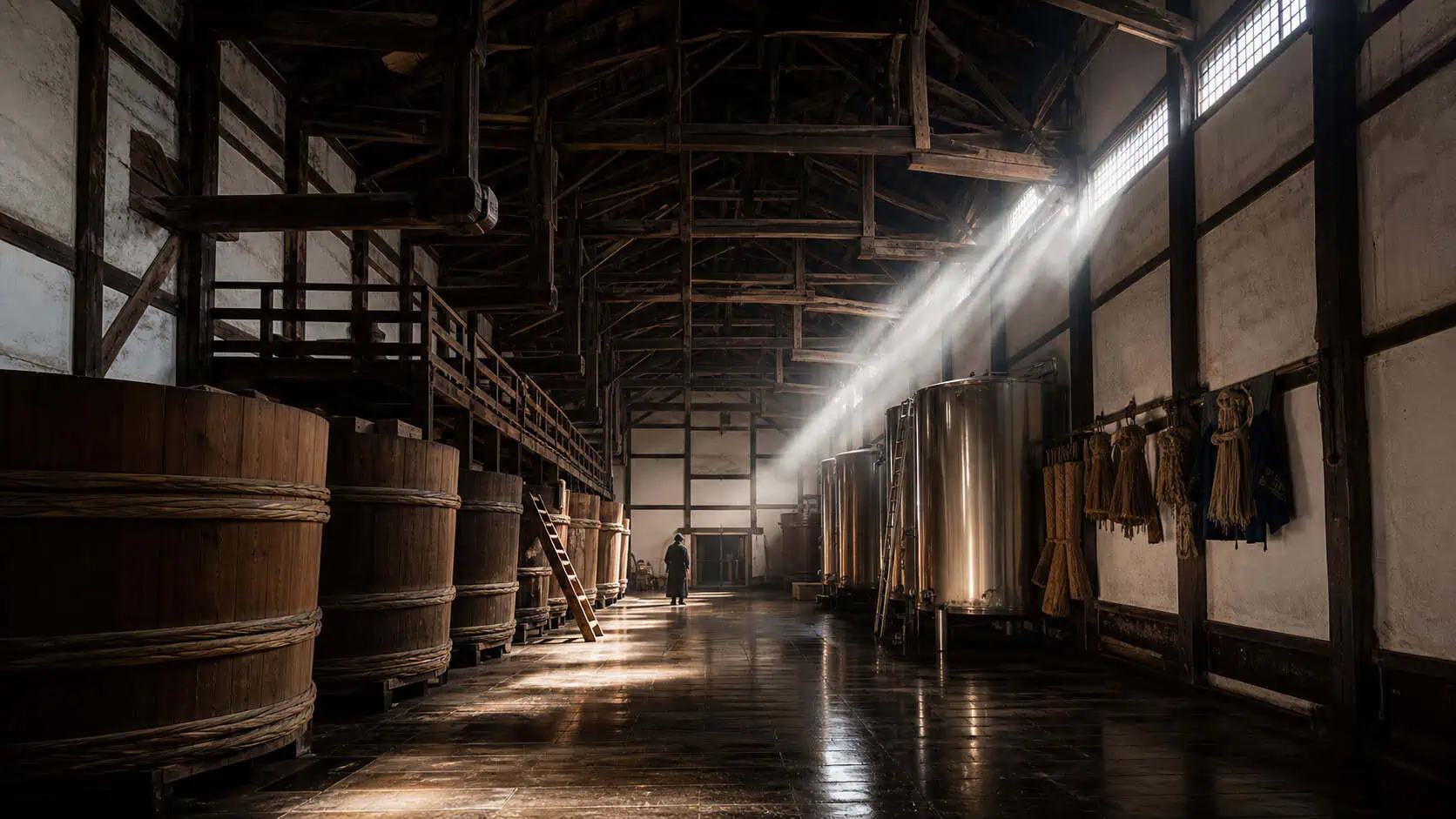
Kura (酒蔵): Inside a Traditional Japanese Sake Brewery

A great sake begins long before the rice is even washed. Instead, it begins with the building itself, the kura. So what is a kura? A kura, or sakagura, is a traditional Japanese sa...

Read source
foodinjapan.org /1 month ago

Yamahai (山廃): The Simplified Traditional Starter

Some sake tastes bold, savory, and wonderfully complex. That depth often traces back to the yeast starter. So what is yamahai in sake brewing? Yamahai is a traditional yeast starte...

Read source
foodinjapan.org /1 month ago

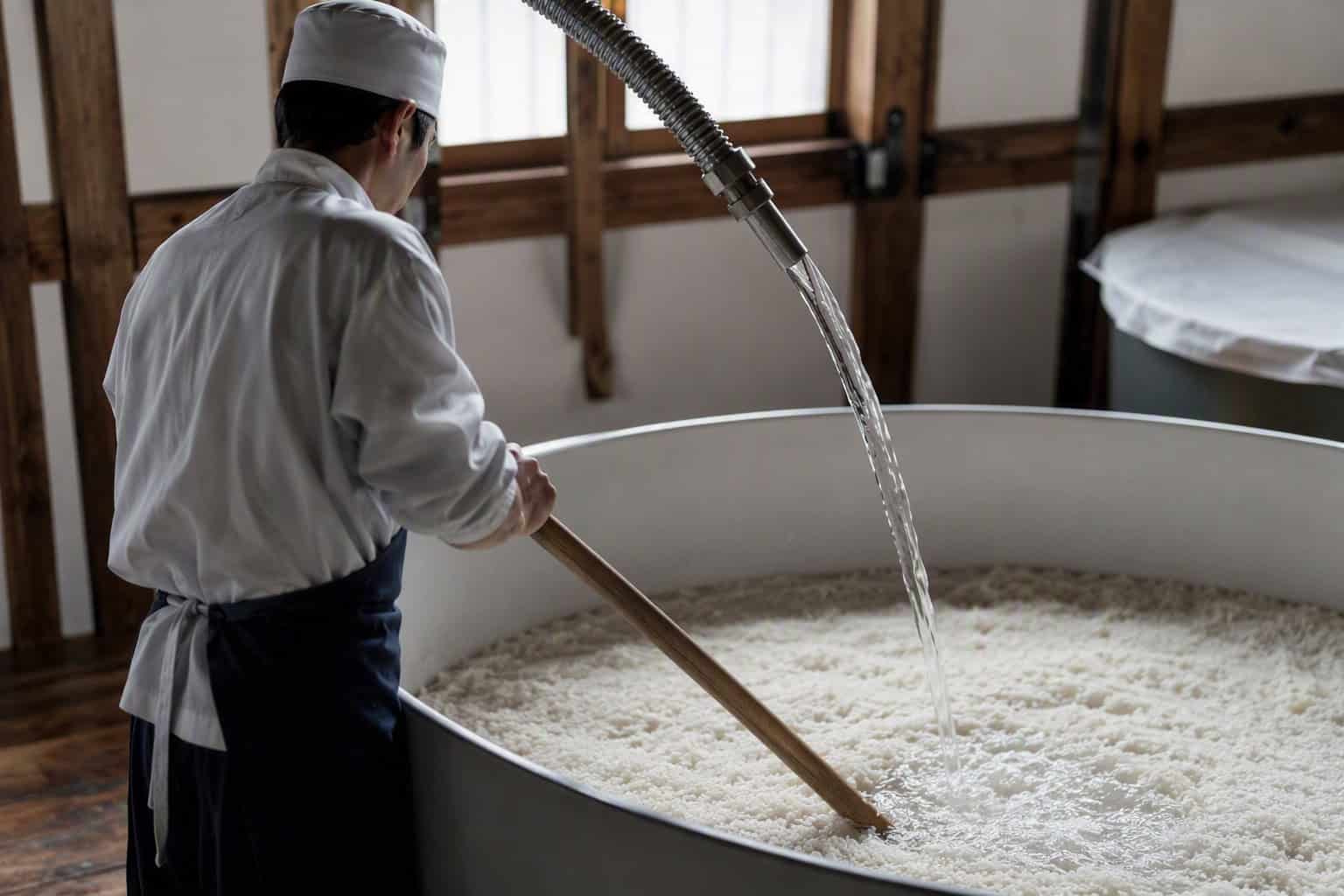
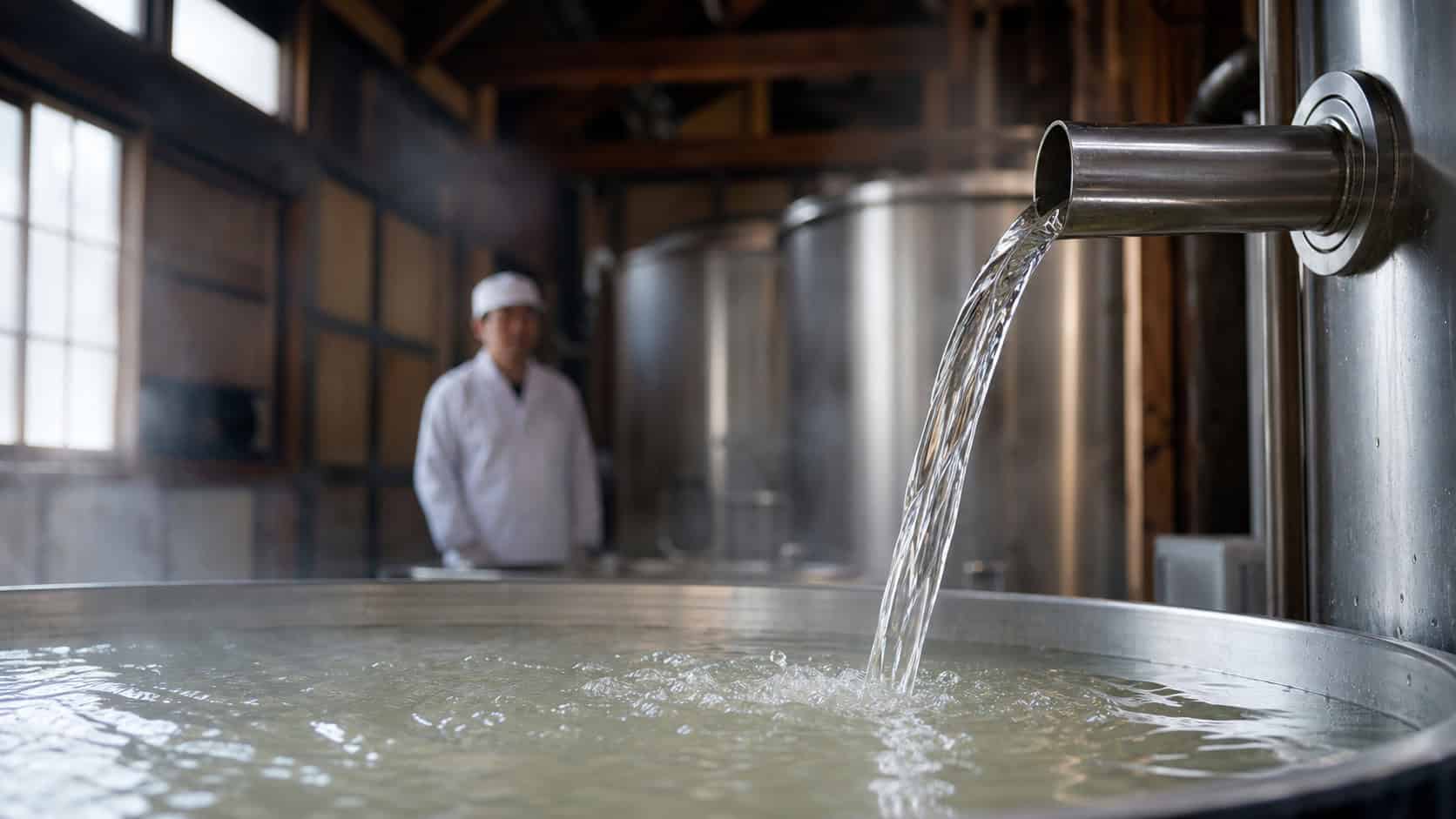
Water (水 / Mizu) in Sake Brewing: The Ingredient That Shapes Sake

Water in sake brewing is the ingredient almost everyone forgets. Ask what sake is made from, and most people say rice. They are not wrong, yet they are missing the ingredient that...

Read source
foodinjapan.org /3 weeks ago

Kan-zukuri (寒造り): Why Sake Is Traditionally Brewed in Winter

Kan-zukuri is the traditional practice of brewing sake during the coldest months of the year. The cold does real work here. Low temperatures slow fermentation, keep it stable, and...

Read source

Turn fresh research into a full content calendar

Use SocialBu to discover ideas, generate post drafts, and schedule them across your social channels.

Sources covering Nihonshu

asia.nikkei.com

Recent coverage from public sources
Public source

foodinjapan.org

Recent coverage from public sources
Public source

channelnewsasia.com

Recent coverage from public sources
Public source

culy.nl

Recent coverage from public sources
Public source