Latest updates for Distributed Systems

Fresh curated links around Distributed Systems are collected here so marketers can spot useful updates and turn timely ideas into posts faster.

Recent items include:

  • What Distributed Systems Are and How They Work
  • The CALM Theorem: When Distributed Consistency Doesn’t Need Coordination
  • Article: Distributed Spring Batch Without a Message Broker

Post angles to try

Share the most useful takeaway for your audience.
Turn one article into a quick practical checklist.
Ask your audience how this shift affects their work.
Turn angles into scheduled posts

Fresh articles and ideas

Recent curated links from global sources. Generate one free draft from any story, then use SocialBu to schedule and refine your content calendar.

ninjaone.com /2 weeks ago

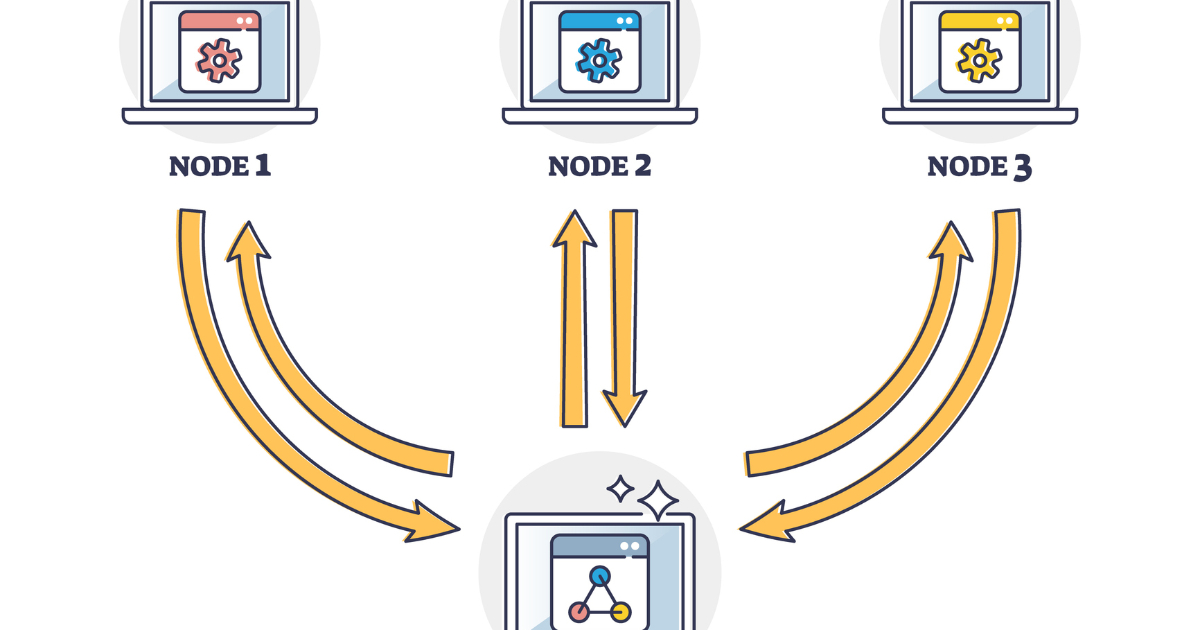
What Distributed Systems Are and How They Work

Distributed systems are used across cloud platforms and large-scale applications, among others. Instead of relying on one computer or service, distributed systems divide work acros...
Read source
javacodegeeks.com /1 month ago

The CALM Theorem: When Distributed Consistency Doesn’t Need Coordination

The theory behind why some distributed computations are safely coordination-free, and how to spot which ones are. Every distributed systems engineer eventually runs into the same w...

Read source
infoq.com /3 days ago

Article: Distributed Spring Batch Without a Message Broker

Distributed Spring Batch partitioning already needs a shared, persistent job repository. This article makes that database the whole coordination plane and drops the message broker,...

Read source
dzone.com /1 week ago

How to Contain Partial Failures in Distributed Systems

Distributed systems rarely fail as a single unit. More often, one dependency slows down, one shard becomes unavailable, one region loses capacity, or one pool saturates while neigh...

Read source
dev.to /1 month ago

How BitTorrent Turned Every Downloader Into a Server

Hello, I'm Maneshwar. I'm building git-lrc, a Micro AI code reviewer that runs on every commit. It is free and source-available on Github. Star git-lrc to help devs discover the pr...

Read source
javacodegeeks.com /2 weeks ago

Beyond CAP: Why the 1999 Fox and Brewer Paper Stil

Have you ever looked at a system design document and winced at the rigid demand for strict consistency? We have all been there. Engineers love neat little rules. For years, the CAP...

Read source
levelup.gitconnected.com /1 month ago

Modern Android Development Is a Distributed System in Disguise

Why building Android apps has become less about writing screens and more about understanding systems, state, timing, and everything around…Continue reading on Level Up Coding »

Read source
javacodegeeks.com /1 month ago

Consistent Hashing: The 1997 Paper Quietly Running the Internet

Dynamo, Cassandra, and every major CDN route requests through an idea from a 1997 theory paper. Almost nobody using it has actually read why it works. Consistent hashing shows up i...

Read source
bioengineer.org /1 month ago

Failure-resilient, carbon-efficient microservices deployment across cloud-edge systems

Deploying modern software applications across sprawling networks of cloud data centers and edge devices is a constant balancing act. Engineers must keep services running when hardw...

Read source
javacodegeeks.com /1 month ago

Delta-State CRDTs: Solving the Bandwidth Problem Coordination-Free Replication Creates

CRDTs let replicas merge concurrent edits without coordination. The catch is what it costs to keep them talking to each other, and how delta-state CRDTs quietly fix it. Coordinatio...

Read source
dzone.com /4 days ago

Where Should a Transaction End? Designing Consistency Boundaries in Distributed Java Systems

Microservices do not eliminate transactions. They force architects to decide where a transaction should end. That decision is harder than it sounds. A business operation that was o...

Read source
dev.to /1 month ago

Why AI Applications Are Becoming Distributed Systems

AI applications used to be relatively simple. A user sent a prompt. An application sent that prompt to a model. The model returned an answer. The application displayed it. That a...

Read source
javacodegeeks.com /1 month ago

Resilience by Design vs. Resilience by Library: BEAM vs. Go and Java

In distributed systems engineering, few architectural divides are as deep—or as philosophically opposed—as how different runtimes handle failure. When an unexpected error occurs, w...

Read source
javacodegeeks.com /1 month ago

The Byzantine Generals Problem and Why Most Systems Don’t Need Byzantine Fault Tolerance

Crash faults and Byzantine faults are not the same problem, and reaching for blockchain-grade guarantees inside a trusted internal network usually solves a problem you don’t have....

Read source
paulsiddharth.medium.com /1 month ago

Byzantine General’s Problem

Two generals sit on opposite hills, staring down at a walled city between them. Their combined armies can take it. Either army alone will…Continue reading on Medium »

Read source
javacodegeeks.com /1 week ago

Protocol Buffers, Schema Evolution, and the Quiet Discipline IDLs Impose on Distributed Teams

Comparing how protobuf, Avro, and Cap’n Proto solve the same backward-compatibility problem Nobody deploys a distributed system all at once. The protobuf team says it plainly in th...

Read source
dzone.com /1 month ago

How to Prevent Retry Storms With Retry Budgets in Distributed Systems

Retries are one of the simplest ways to make a distributed system appear more reliable. A transient connection failure, overloaded replica, or short-lived network interruption can...

Read source
dzone.com /1 month ago

Distributing Massive AI Models With Network-Layer Multicast

When you are pushing terabytes of weights to hundreds of GPU nodes, unicast stops being a solution. Here is what actually works — and where multicast still struggles. The Problem E...

Read source
rubyflow.com /1 month ago

Your Webhook Endpoint Is a Tiny Distributed System

A simple bit of webhook consumption is sometimes not that simple:

Read source
dzone.com /1 month ago

Architecting for <1s Latency: Managing Eventual Consistency in Distributed Search Platforms

At a logistics visibility company, the shipment state can change thousands of times per second due to the massive scale of operations. Such changes take place when, for instance, a...

Read source
tomtunguz.com /1 month ago

Thinking in Systems, Shipping in Loops

AI has removed the typing from software engineering & left the system design. DHH told Rails World that writing code by hand is no longer economically productive ; Artemis engi...

Read source
kodekloud.com /1 month ago

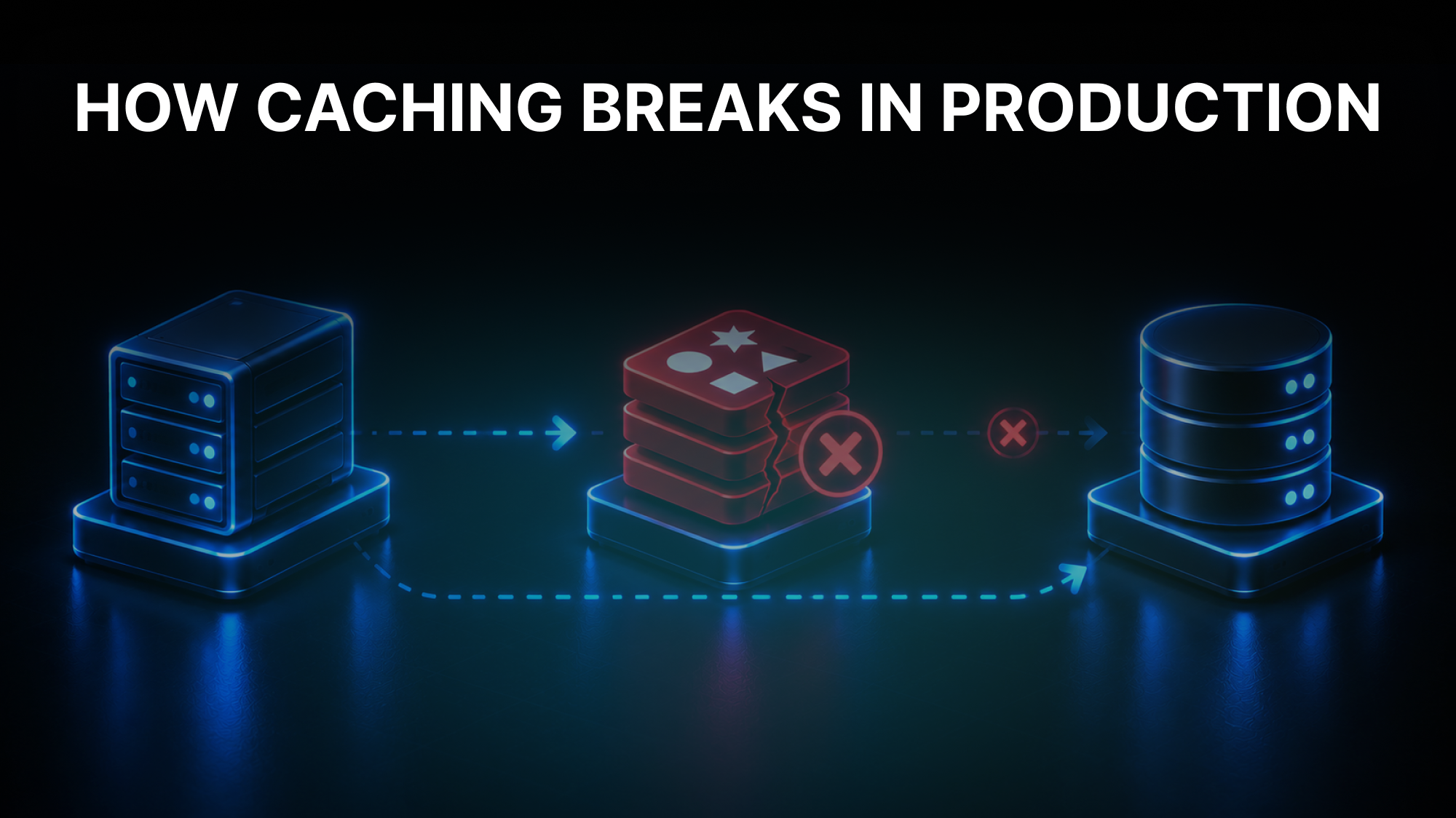
Designing a Caching System and Where It Breaks

Learn to design a database caching system with cache-aside, TTL, invalidation, single-flight and jitter to prevent cache stampedes.

Read source
kodekloud.com /2 weeks ago

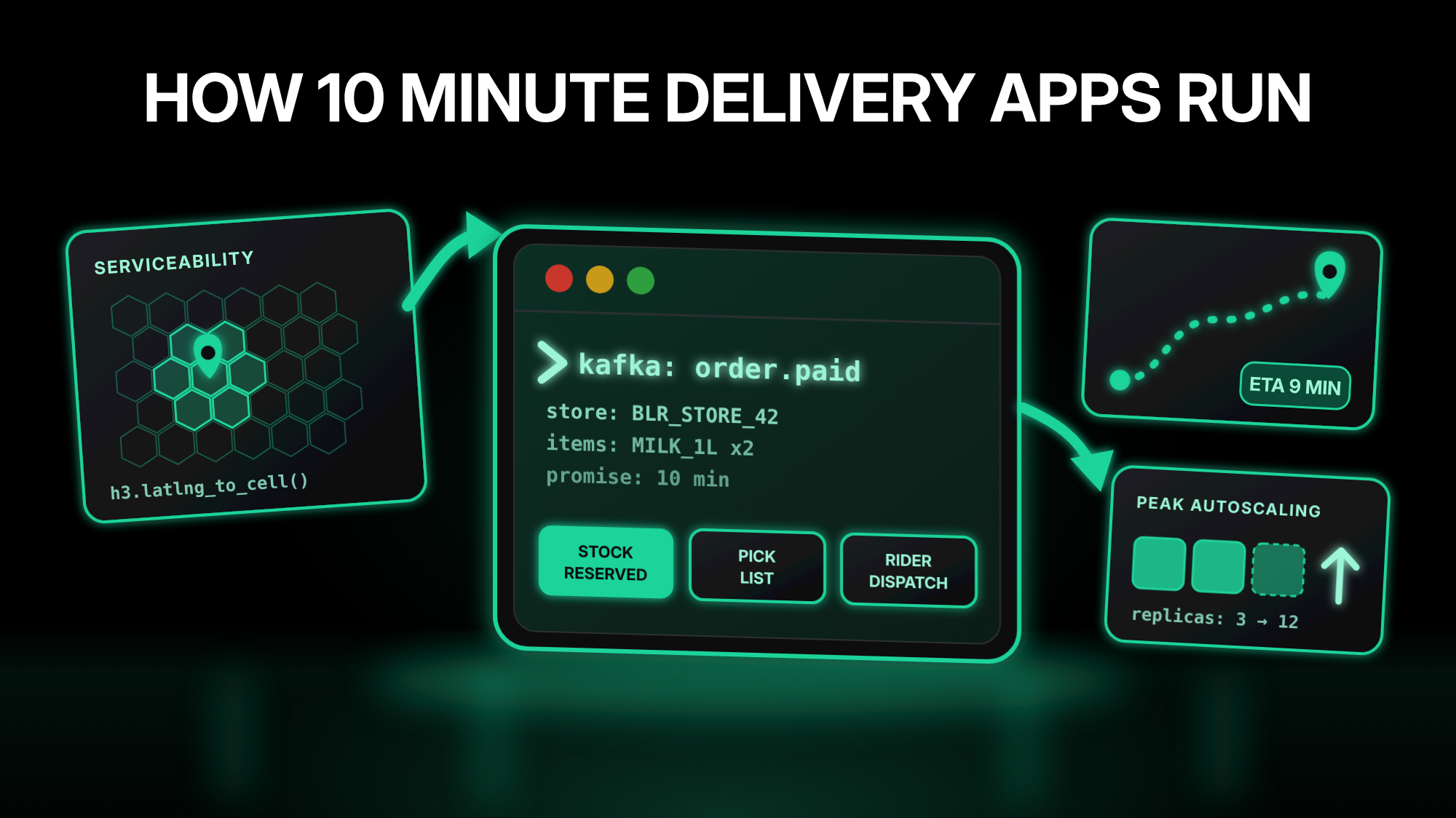
The Tech Stack Behind Quick Commerce: How 10 Minute Delivery Apps Run

Ten minute delivery looks like magic from the app. Underneath, a chain of geospatial lookups, live inventory, event streams and rider dispatch has seconds to do its job, and this i...

Read source
dzone.com /2 weeks ago

Beyond @Transactional: Solving the Dual-Write Problem in Distributed Microservices

The Illusion of a Single Database In a traditional monolithic application, maintaining data consistency is straightforward. If you need to create a new order and update warehouse i...

Read source

Turn fresh research into a full content calendar

Use SocialBu to discover ideas, generate post drafts, and schedule them across your social channels.

Sources covering Distributed Systems

feeds.dzone.com

Recent coverage from public sources
Public source

bioengineer.org

Recent coverage from public sources
Public source

dev.to

Recent coverage from public sources
Public source

feed.infoq.com

Recent coverage from public sources
Public source

kodekloud.com

Recent coverage from public sources
Public source

medium.com

Recent coverage from public sources
Public source