Latest updates for Brain-Controlled Hearing

Fresh curated links around Brain-Controlled Hearing are collected here so marketers can spot useful updates and turn timely ideas into posts faster.

Recent items include:

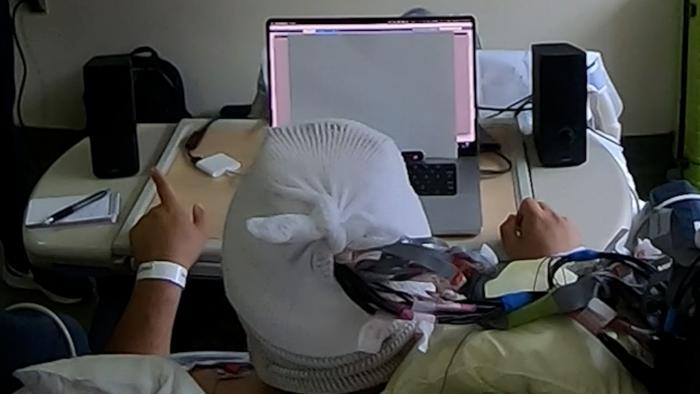
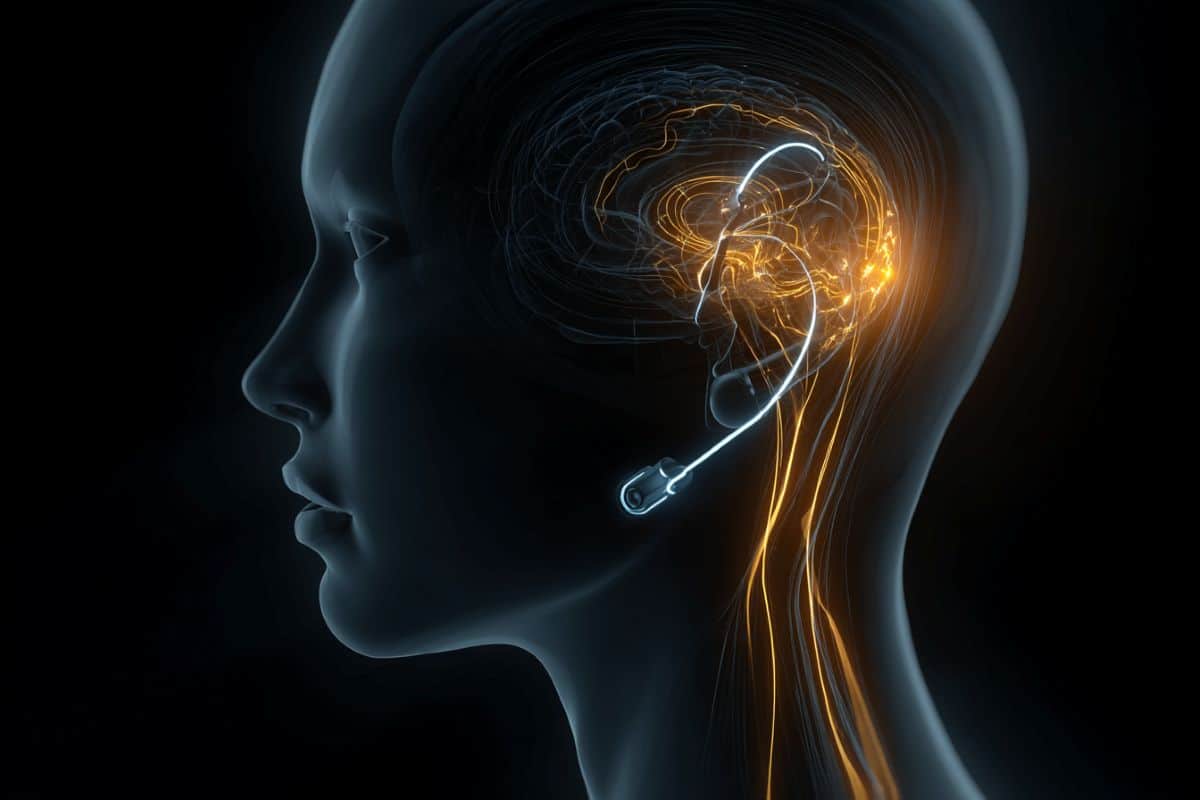
  • Brain-Controlled Hearing System Demonstrates Success in Initial Human Trials
  • First Real-Time Brain-Controlled Hearing Device
  • A brain-controlled system may help listeners with hearing loss cut through the noise

Post angles to try

Share the most useful takeaway for your audience.
Turn one article into a quick practical checklist.
Ask your audience how this shift affects their work.
Turn angles into scheduled posts

Fresh articles and ideas

Recent curated links from global sources. Generate one free draft from any story, then use SocialBu to schedule and refine your content calendar.

bioengineer.org /2 weeks ago

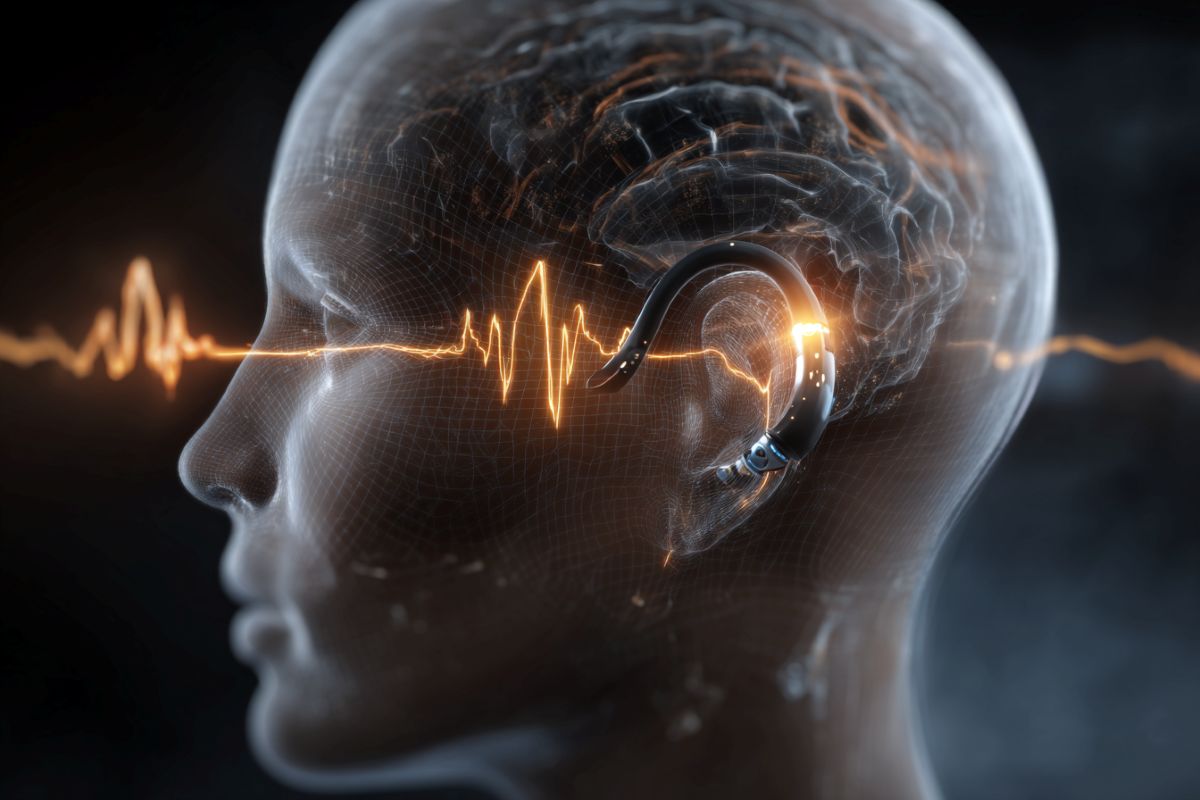
Brain-Controlled Hearing System Demonstrates Success in Initial Human Trials

In a landmark breakthrough that redefines the future of auditory technology, scientists at Columbia University’s Zuckerman Institute have unveiled compelling human evidence demonst...
Read source
neurosciencenews.com /2 weeks ago

First Real-Time Brain-Controlled Hearing Device

Researchers have developed a brain-controlled hearing system that uses real-time neural signals to solve the "cocktail party problem." By matching a listener's brain waves to speci...

Read source
npr.org /2 weeks ago

A brain-controlled system may help listeners with hearing loss cut through the noise

A hearing system that monitors brain waves could help people with hearing loss communicate in noisy environments.

Read source
scienceblog.com /2 weeks ago

Scientists Have Built a Hearing System That Tunes In to Whatever Your Brain Is Focusing On

She was sure the researchers were cheating. One of the volunteers in Nima Mesgarani’s lab at Columbia University had electrodes implanted in her brain, two voices playing simultane...

Read source
npr.org /2 weeks ago

New research may lead to hearing aids with the ability to select one voice among many

Scientists have developed an artificial hearing system that harnesses the brain's ability to amplify certain sounds while suppressing others. It could lead to better hearing aids.

Read source
dataconomy.com /1 month ago

Neuralink says it wants to restore hearing by bypassing the ear

Elon Musk reveals Neuralink's ambitious goal to restore hearing for deaf individuals by directly stimulating the auditory cortex, enhancing their sensory.

Read source
hearingreview.com /1 month ago

Study Finds Auditory Feedback Is Key for Precise Tongue Control in Speech

University of Oklahoma research indicates that the brain relies on real-time hearing to guide complex speech motor skills, with implications for speech therapy.

Read source
neurosciencenews.com /1 month ago

Brain Prioritizes “Sound Offsets” During Hearing Repair

Researchers have discovered that within just 24 hours of noise-induced hearing damage, the brainstem reorganizes its inhibitory circuits to restore "sound offset" signals, the crit...

Read source
neurosciencenews.com /5 days ago

Ear-Based Vagus Stimulation Boosts Brain Motor Zones

Transcutaneous auricular vagus nerve stimulation (taVNS) directly pairs with and enhances the human motor system during active movement.

Read source
digitalmusicnews.com /1 month ago

This Man Is Making Music Using His Brain Implant

A quadriplegic man is using his brain implant to produce musical tones by assigning them to different movements identified by six chips in his brain. Galen Buckwalter has been a qu...

Read source
neurosciencenews.com /1 month ago

Hearing Loss Overwhelms the Aging Brain

A new study finds that combined physical and cognitive training improves balance in older adults with Mild Cognitive Impairment, even those with hearing loss. The research highligh...

Read source
electronicsforu.com /1 day ago

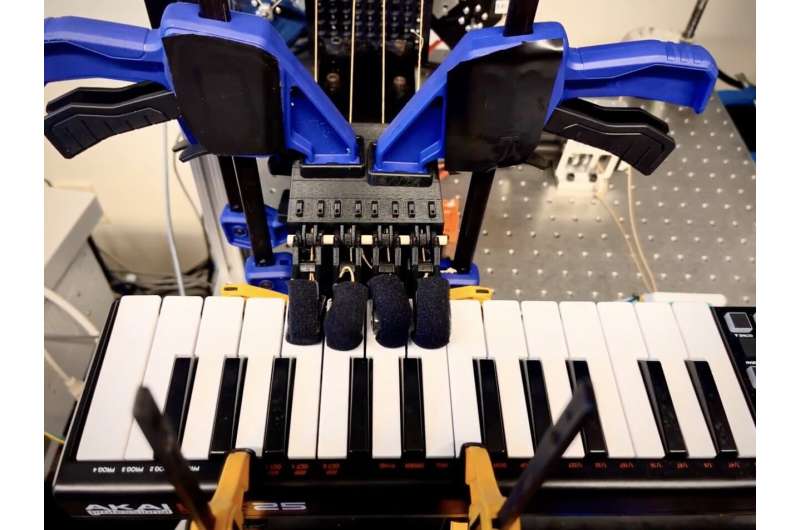
Electronic Earbot Performs Live Music

Researchers have developed a robotic system with an artificial ear that can listen to and respond to live musical performances in real time, opening new possibilities for adaptive...

Read source
neurosciencenews.com /1 month ago

The Brain Stacks Sound Information to Navigate the Dark

A new study reveals that the brain "builds" spatial maps through a process of information summation during echolocation. Researchers found that expert echolocators improve their ac...

Read source
sciencealert.com /1 month ago

Human Echolocators Can 'See' With Sound, And Brain Scans Reveal How

Super skilled.ScienceAlert stories are written, fact-checked, and edited by humans, never generated by AI. Don't miss a story, subscribe here.

Read source
futurism.com /1 month ago

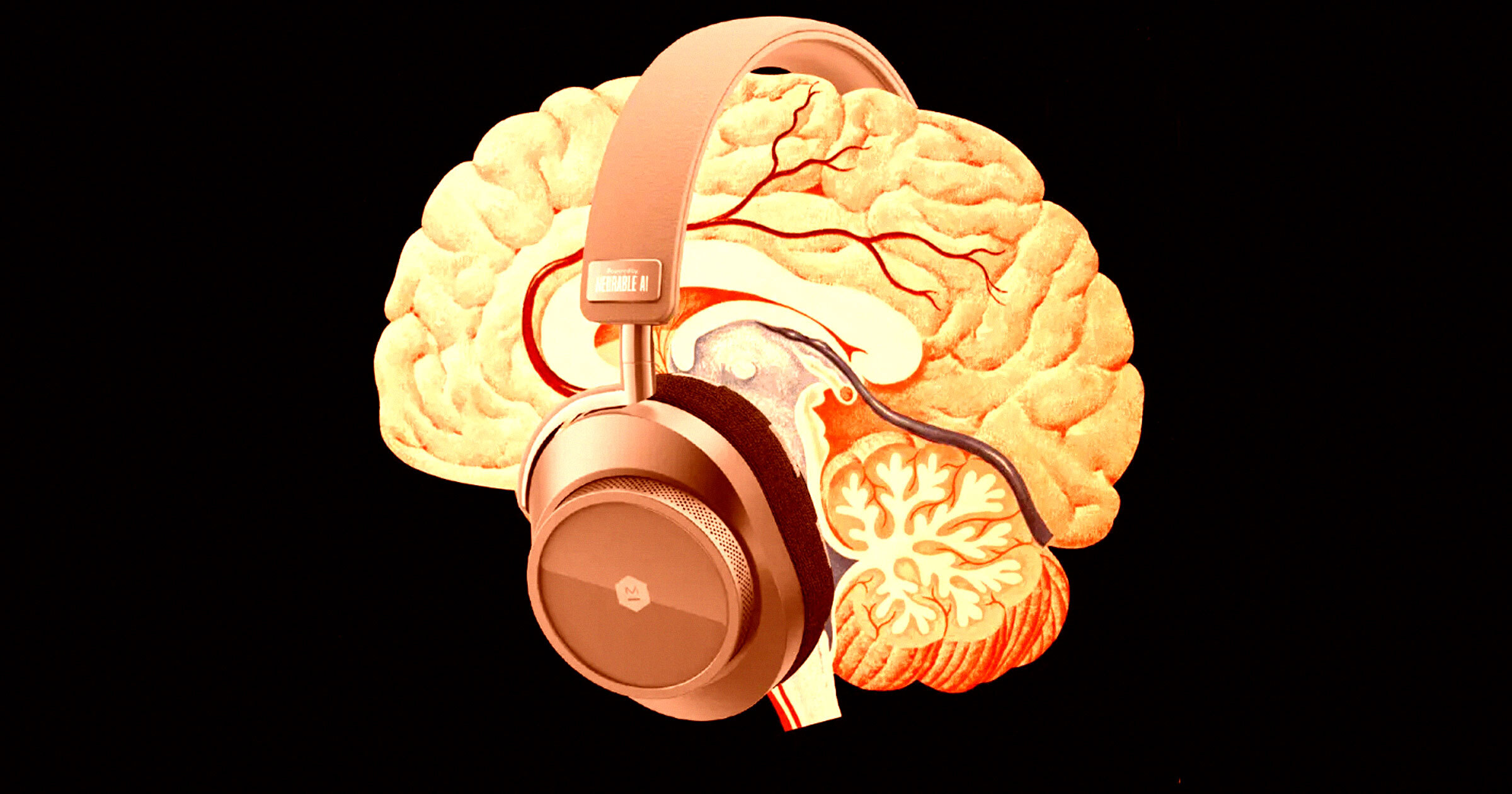
Startup Says It Can Read Your Brain Signals Using a Pair of Headphones

"One could certainly imagine how enforced use of such devices could create a very dystopian basis for behavioral control." The post Startup Says It Can Read Your Brain Signals Usin...

Read source
neurosciencenews.com /1 month ago

Redefining Neuroplasticity Through Selective Deactivation

A new study finds that the auditory cortex in deaf individuals uses selective deactivation to represent visual spatial features.

Read source
digitaltrends.com /1 month ago

This AI tech can understand words that are not even spoken out loud

Researchers have developed a wearable AI sensor that reads neck movements to convert silent speech into audible voice, opening new possibilities for communication.

Read source
neurosciencenews.com /1 month ago

AI Restores Voices Through Microscopic Neck Movements

Researchers have developed a wearable AI sensor that reconstructs speech by reading microscopic neck movements, allowing patients without vocal cords to "speak" again.

Read source
neurosciencenews.com /1 month ago

Noninvasive Stimulation “Talks” to the Brain’s Memory Center

Neuroscientists have used personalized magnetic stimulation to successfully modulate the deep-seated hippocampus. By mapping individual brain connectivity, the team has created a n...

Read source
unbelievablefactsblog.com /1 month ago

Did you know that when people start losing their hearing, their brain can actually get bored of the…

Did you know that when people start losing their hearing, their brain can actually get bored of the...

Read source
neurosciencenews.com /4 days ago

Speech Memories Depend on Sensation & Sound Over Motor Control

Does mastering a new language or recovering speech after a neurological trauma depend on muscle memory or sensory feedback? A new study reveals that human speech learning is fundam...

Read source
sciencealert.com /1 month ago

Does Closing Your Eyes Help You Hear? A Surprising Study Has The Answer

It works for Daredevil.ScienceAlert stories are written, fact-checked, and edited by humans, never generated by AI. Don't miss a story, subscribe here.

Read source
newatlas.com /1 month ago

AI neckband lets you talk without saying a word

Scientists at Pohang University of Science and Technology (POSTECH), in South Korea, have built a silicone neckband that reads the tiny movements of your neck as you mouth words –...

Read source
hearingreview.com /3 days ago

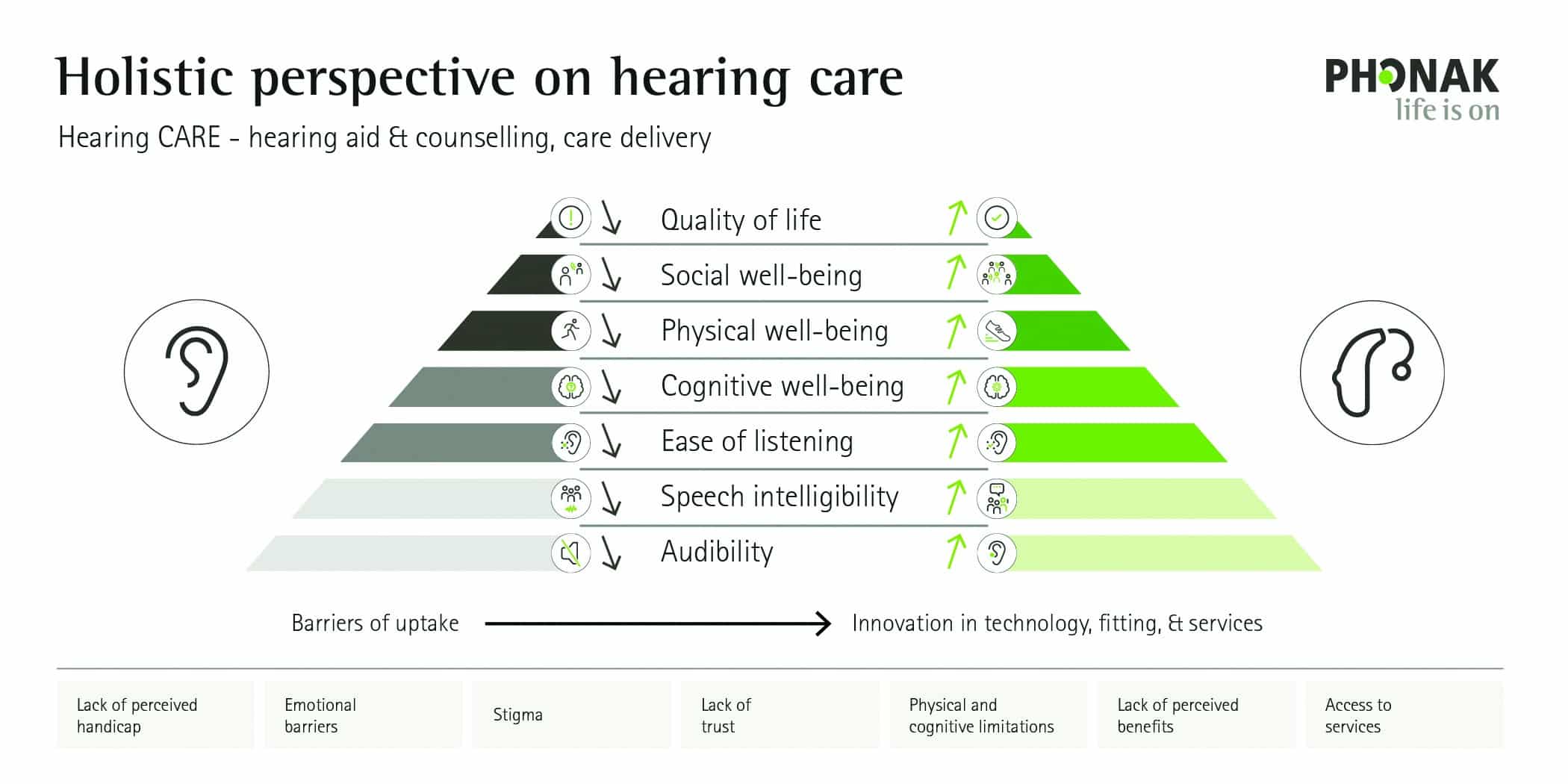
Holistic Hearing Care: New Technologies and Their Whole Person Benefits

Advanced device features, including those found in new AI-powered hearing aids, can influence overall well-being, not just audibility.

Read source

Turn fresh research into a full content calendar

Use SocialBu to discover ideas, generate post drafts, and schedule them across your social channels.

Sources covering Brain-Controlled Hearing

feeds.feedburner.com

Recent coverage from public sources
Public source

bioengineer.org

Recent coverage from public sources
Public source

dataconomy.com

Recent coverage from public sources
Public source

electronicsforu.com

Recent coverage from public sources
Public source

feeds.npr.org

Recent coverage from public sources
Public source

feeds.npr.org

Recent coverage from public sources
Public source