
pharmexec.com
/3 weeks ago

Transcripta Bio and Mayo Clinic will combine single-cell RNA sequencing with AI-driven analysis of patient-derived ALS tissue to identify disease signatures and potential therapeut...

The Journal of Pharmaceutical Investigation has announced a January 2027 special issue on translational advances in pharmaceutical dosage form development, with submissions due by...
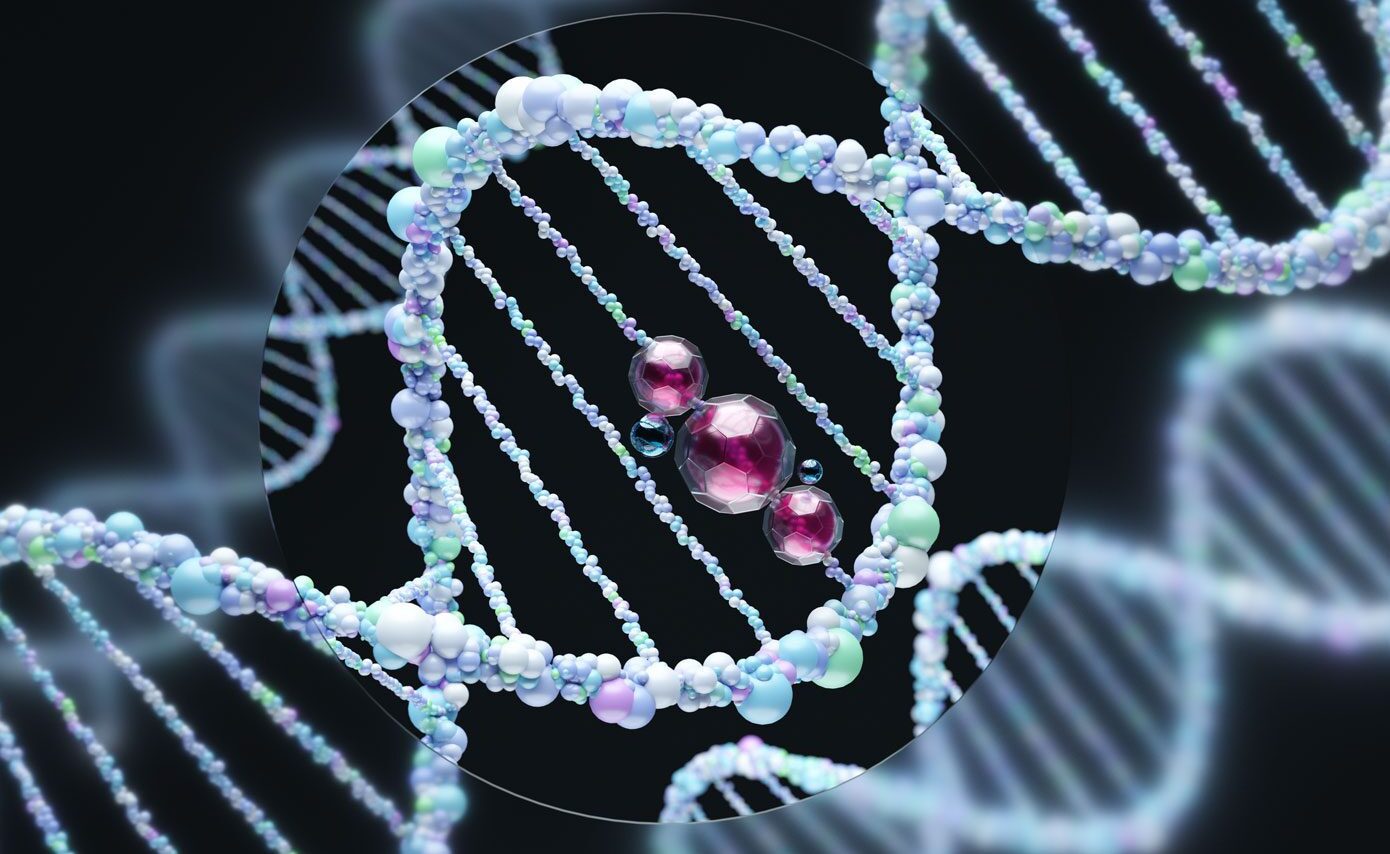
Short-read RNA sequencing reporting the modifications that alter protein output is starting to make epitranscriptomics indispensable for patient selection in precision medicines. T...
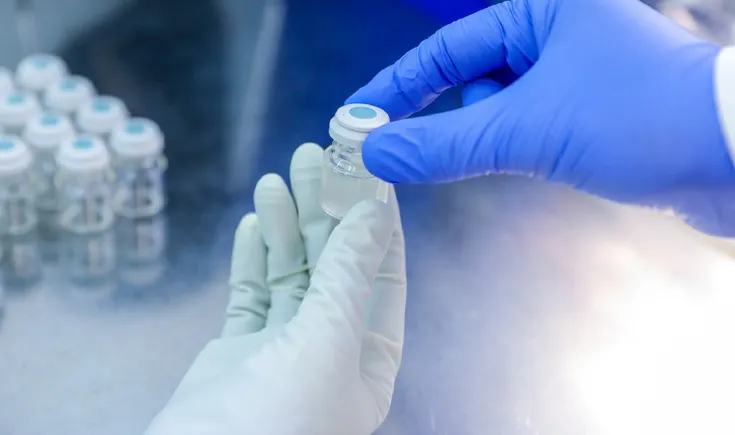
The move from Phase II to Phase III is often treated as a clinical milestone, when it is actually a development-wide transition.


The articles in this eBook examine key trends driving this transformation, from AI-enabled discovery and experimental validation to advanced cell, gene, and biologic platforms, and...

Why diagnostic-driven therapies need a new commercialization model to reach more eligible patients.

This new approach targets disorders including cystic fibrosis, muscular dystrophy, and some cancers. In lab-grown tissue from a cystic fibrosis patient who did not respond to exist...

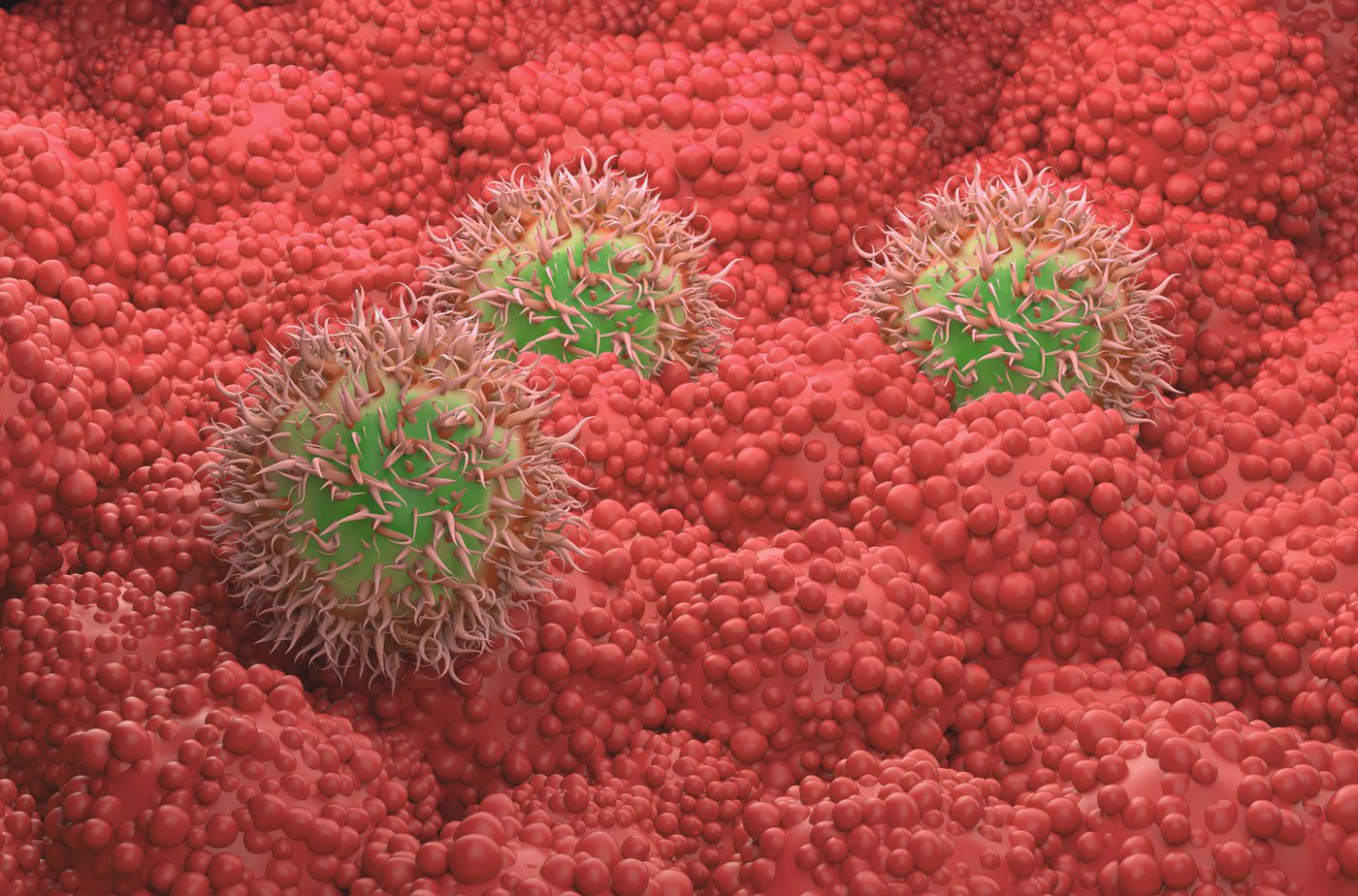
In this GEN webinar, our expert speaker Josh Wheeler, MD, PhD, will discuss a biology-first, interpretable AI approach to understand patient tumor states and next-generation precli...
In this GEN webinar, Joseph Shultz (VP of technical development and manufacturing, Ottimo Pharma) and Imroz Ghangas (VP of commercial sales, Asimov) discuss strategies for achievin...


Preclinical Pulse in November 2026 features research across therapeutic technologies, including small molecule and gene therapy approaches. The post Preclinical Pulse: The research...



In a remarkable advancement, Stanford researchers have unveiled Orca-T therapy, which has recently received FDA approval. After two decades of rigorous development, this innovative...
The collaboration pairs the Genialis Supermodel with Inventia Life Science’s RASTRUM 3D cell model platform to test therapeutic hypotheses in models that mirror the tumor biology o...
Imagine finding an ancient book that holds the cure to a deadly disease, but when you open it, 70% of the words are in a language no one…Continue reading on Medium »
Supporting the Centillion-led team, Pace® will help the design, development and manufacturing rollout of an integrated platform built for patients with rare and ultra-rare genetic...
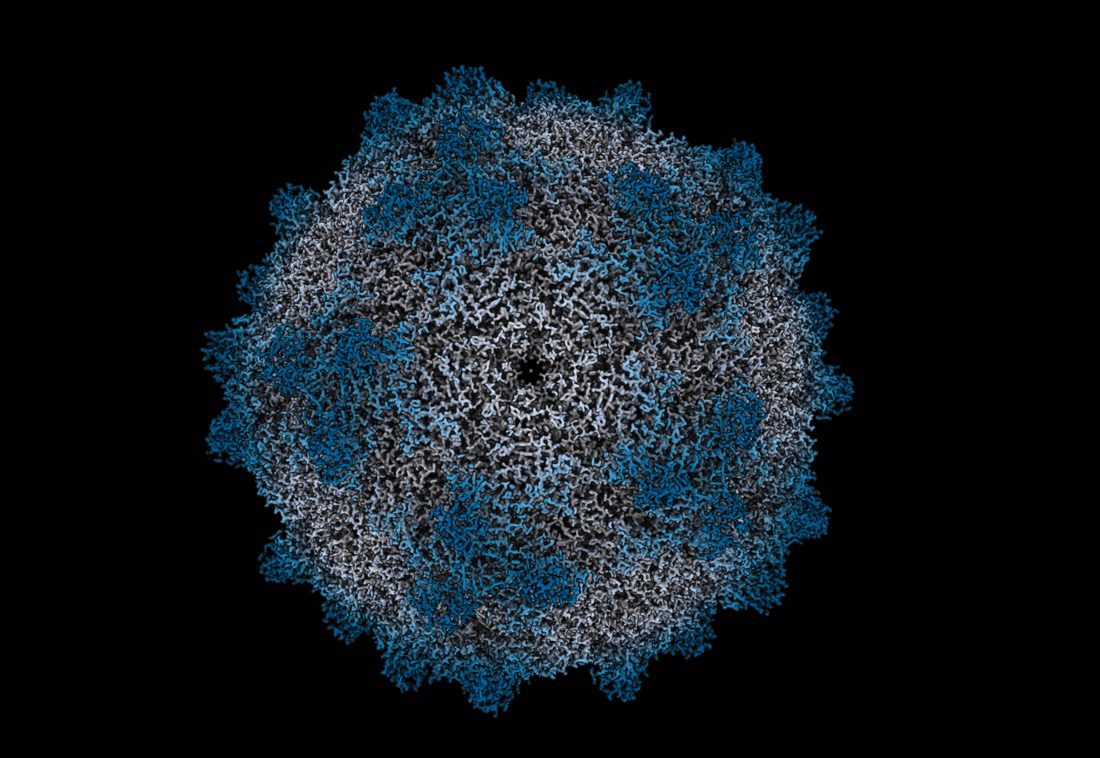
Apertura says widening access to its TfR1 CapX capsid is a core philosophy, and that includes inviting a wide range of collaborations and supporting collaborators through advice an...

A great deal of drug discovery starts by screening compounds from the vast libraries of molecules that exist. The libraries are too large to screen everything (and even then the sc...
Use SocialBu to discover ideas, generate post drafts, and schedule them across your social channels.