A Career Spent Collecting Earth’s Seismic Clues
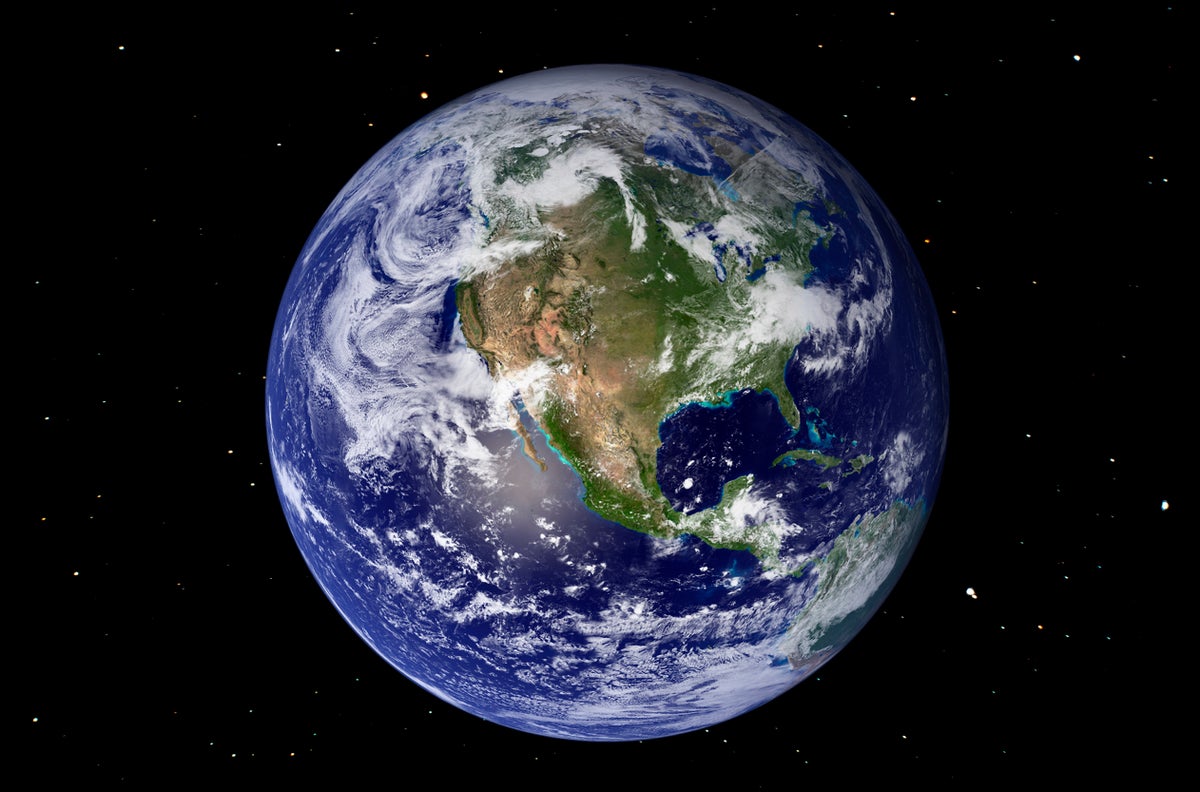
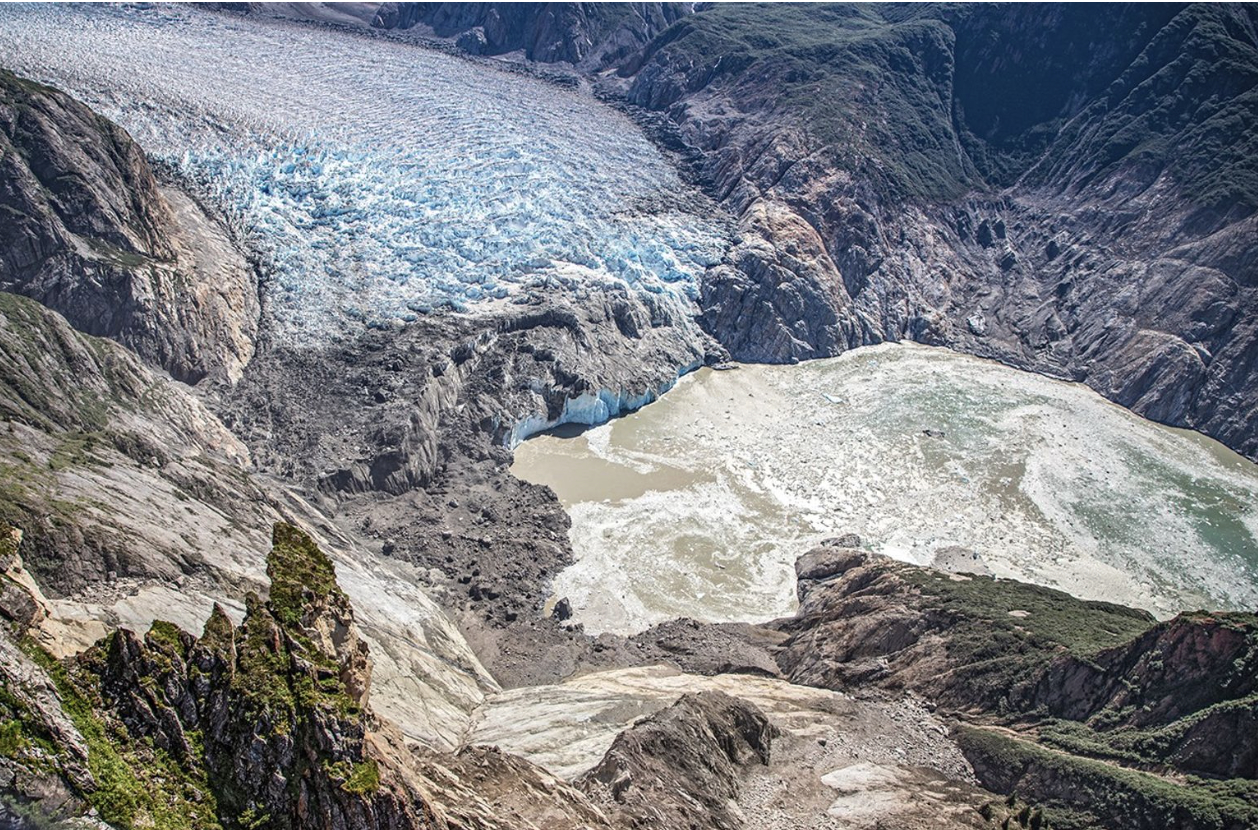
Göran Ekström tracks incidents like landslides and glacier collapse using tools once used only to monitor earthquakes.
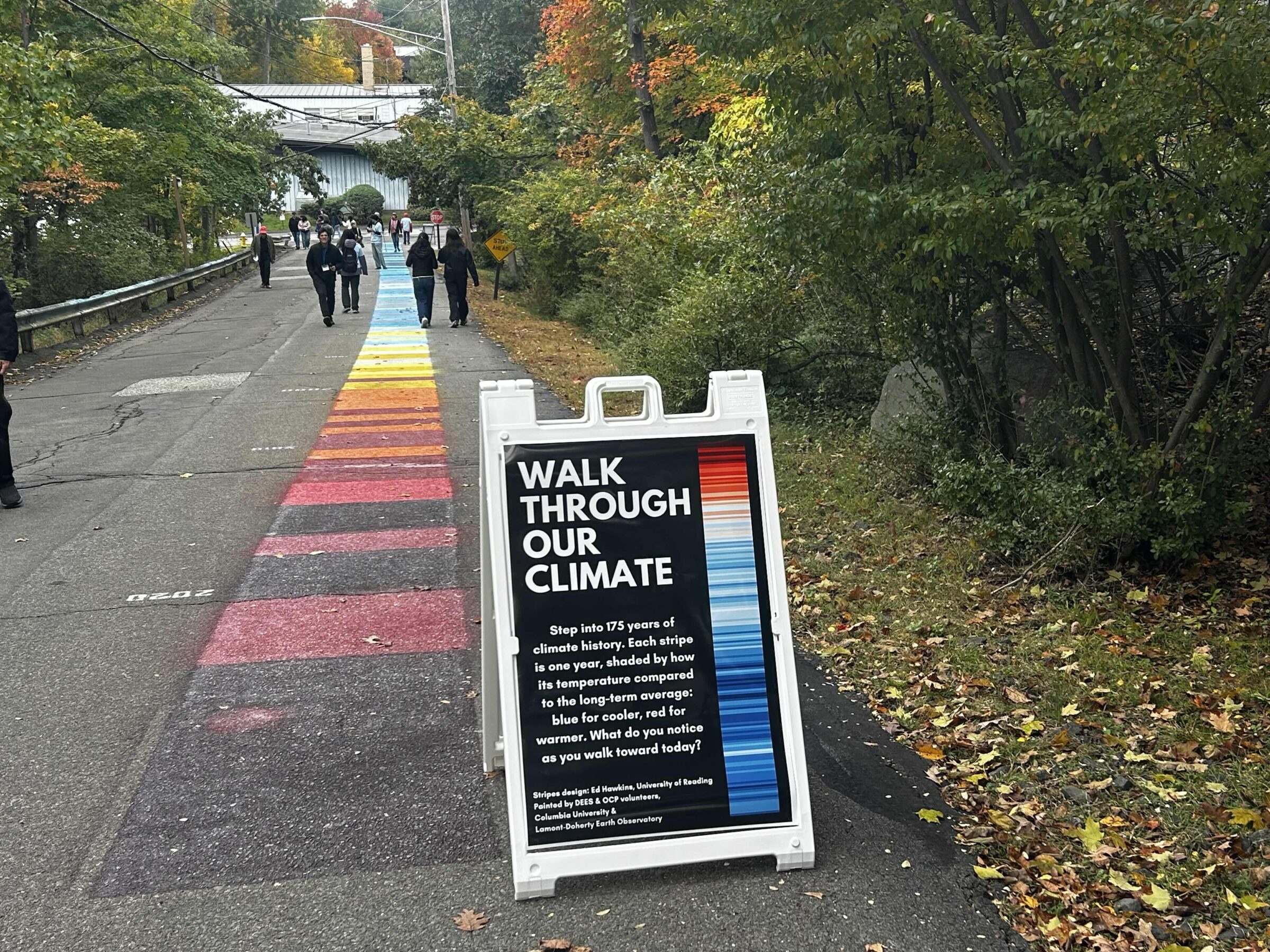
Oobleck, seismology and seafloor sediments bring Earth science alive during the observatory’s annual public celebration.
In this month's research roundup, we explore how delayed climate action could trigger abrupt changes in the Arctic; what ancient ocean sediments reveal about carbon storage during...
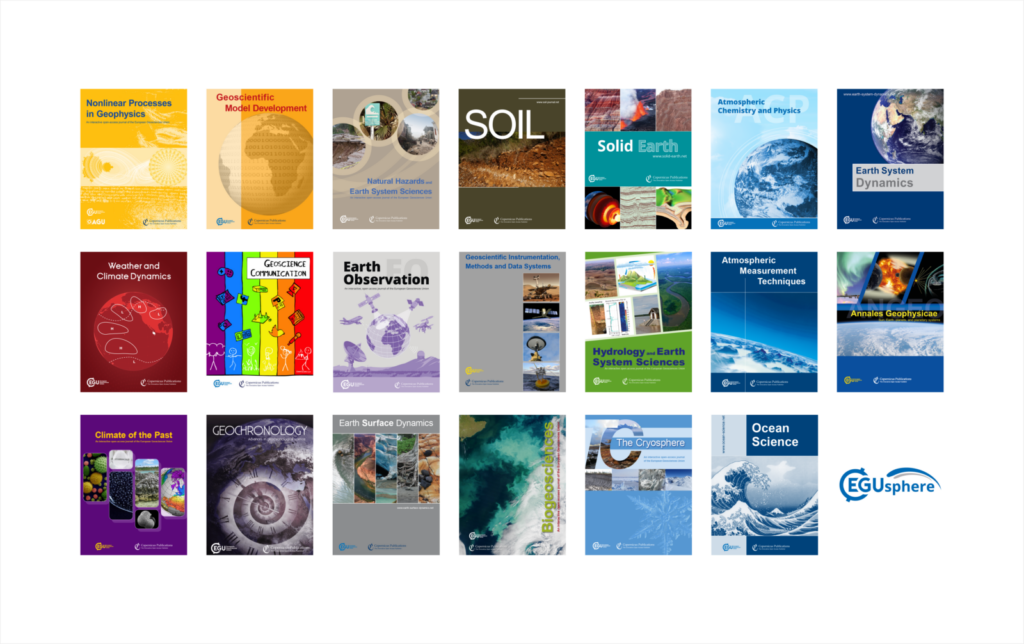
Each month we feature specific Divisions of EGU and during the monthly GeoRoundup we put the journals that publish science from those Divisions at the top of the Highlights section...
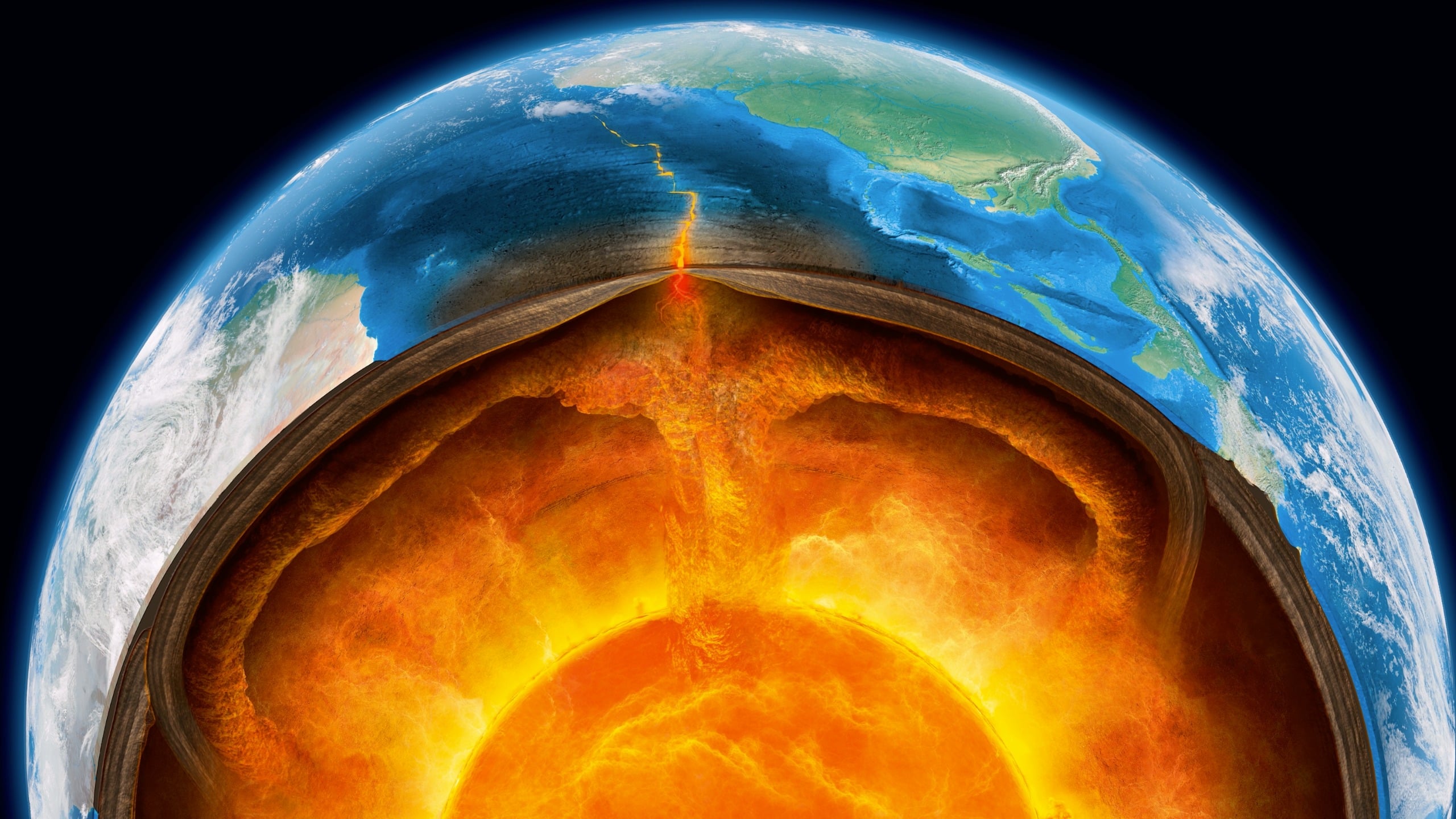
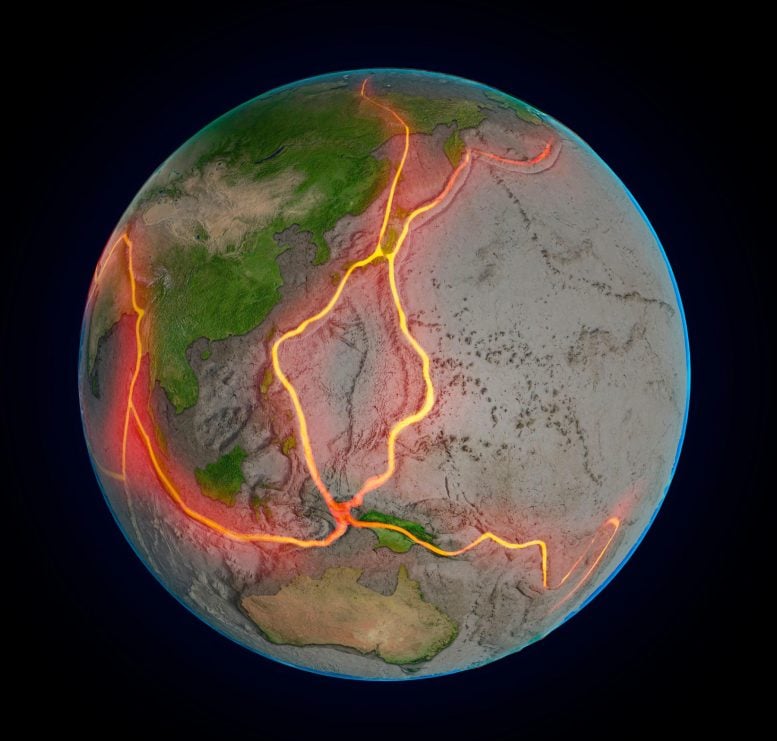
A rock from Papua New Guinea was hotter than expected during its descent into Earth, challenging models of a process that influences earthquakes, volcanoes, and climate. Earth recy...
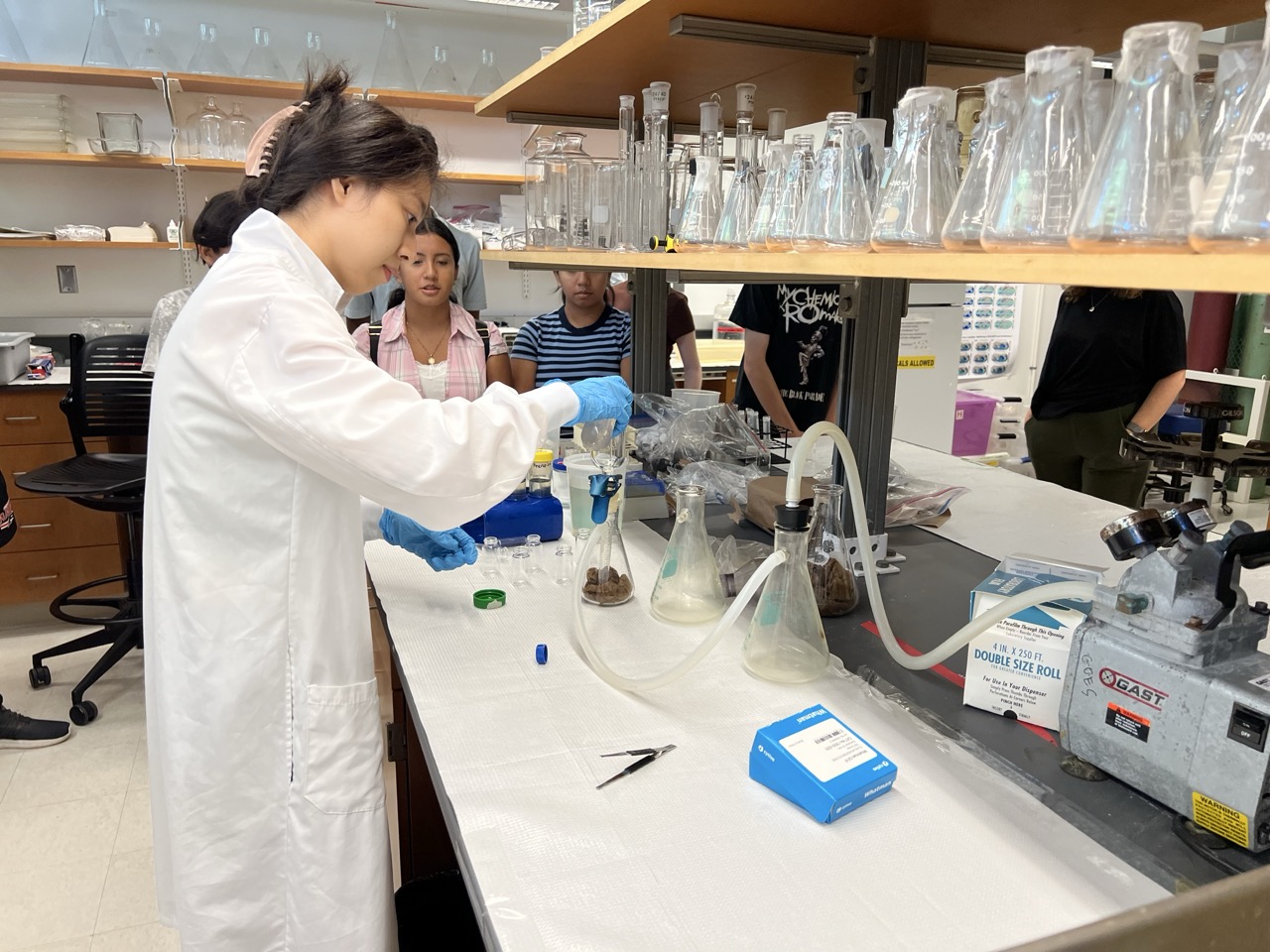
Through Columbia Climate School and Lamont-Doherty Earth Observatory programs, students conducted hands-on climate research to build scientific, analytical and communication skills...
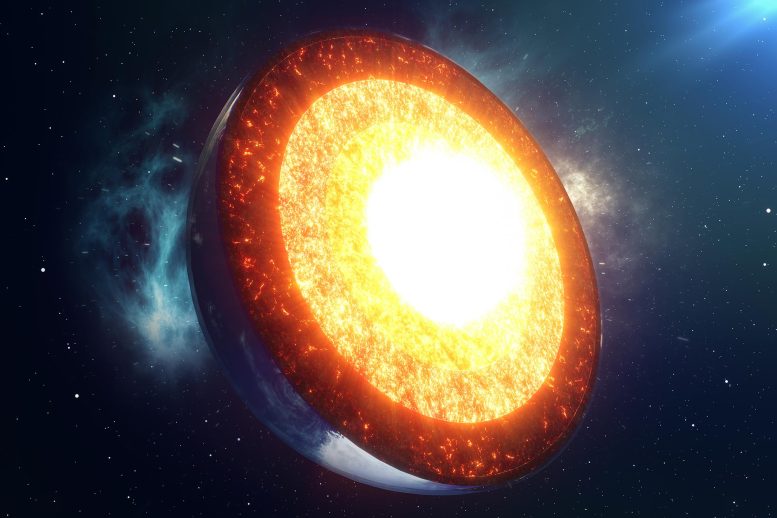
(Science Photo Library/Getty Images)
An analysis of ancient sea-level changes reveals that the whole solid Earth has shifted multiple times
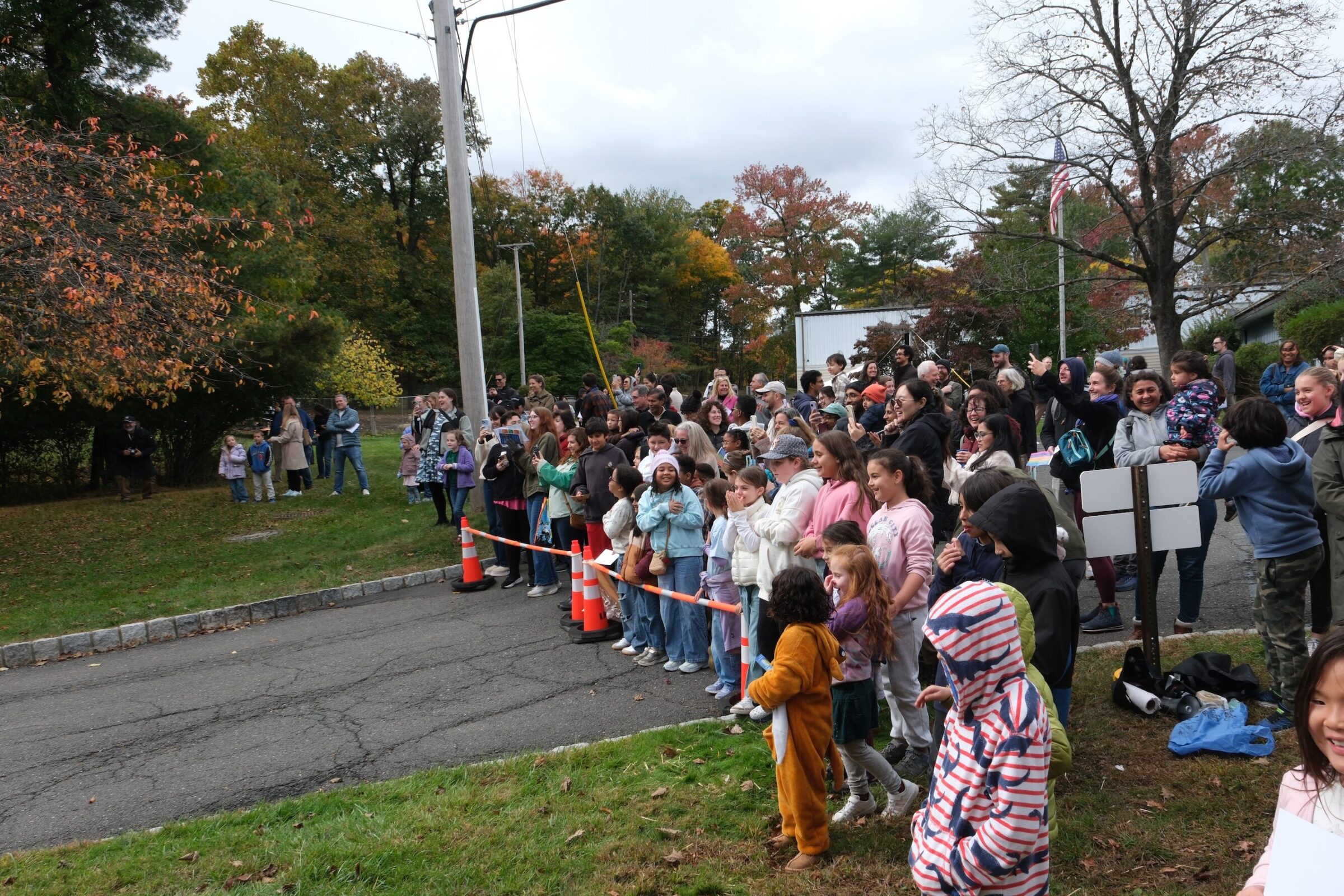
More than 2,500 visitors explored hands-on activities, lectures and installations at Lamont's campus on Saturday, October 17.
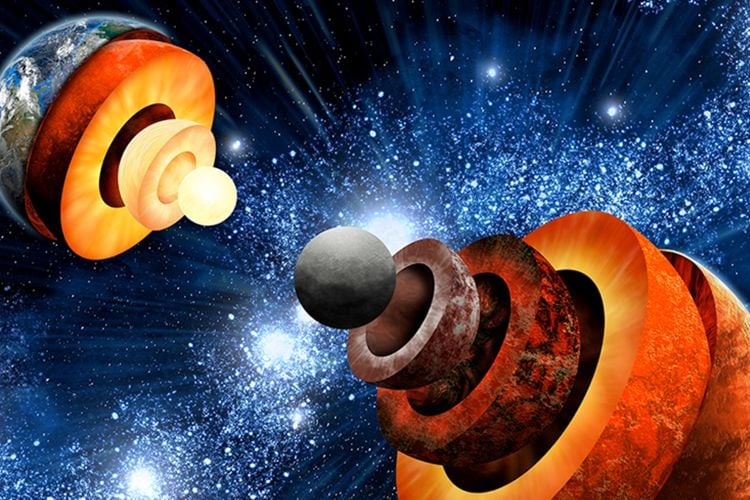
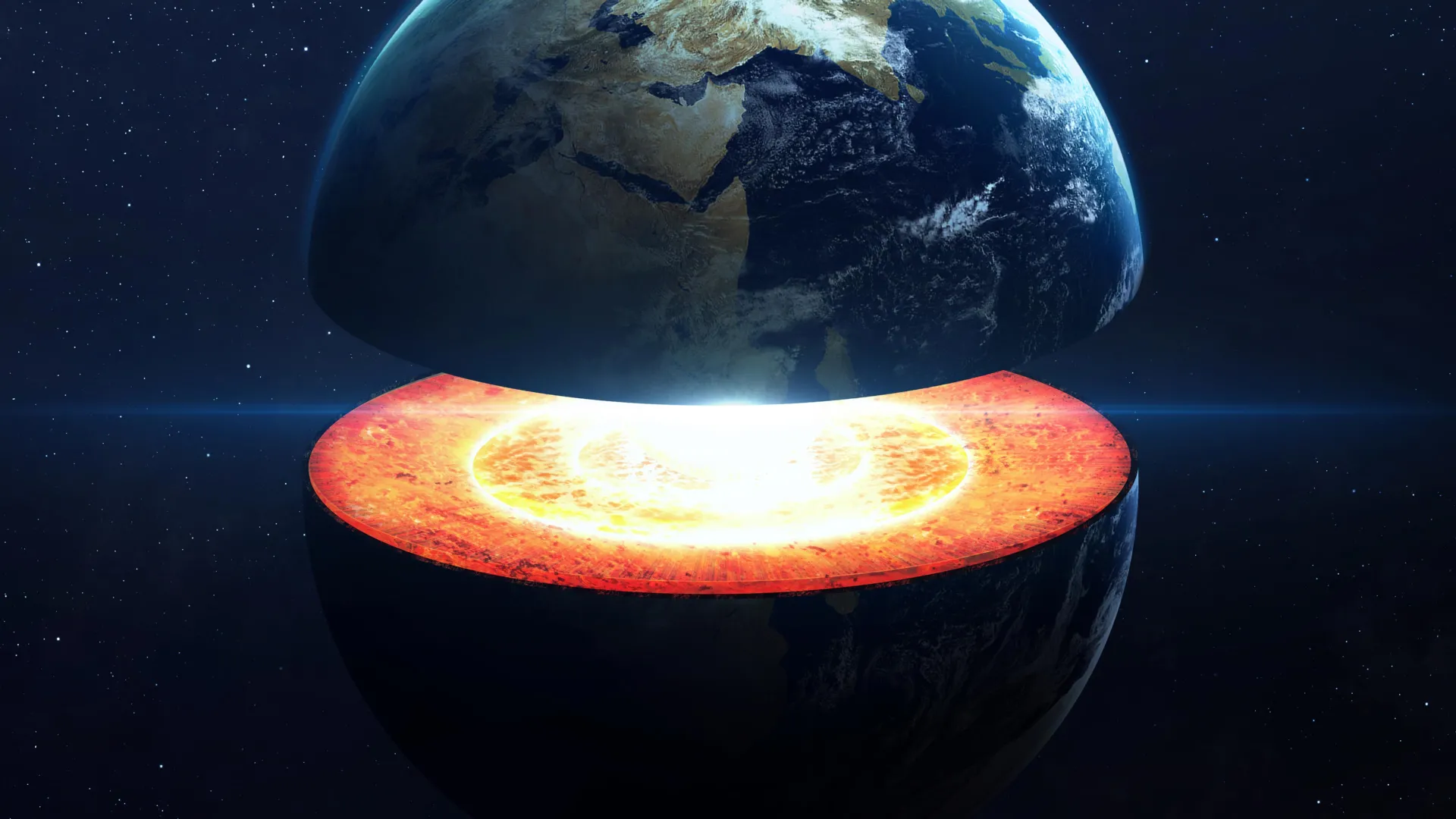
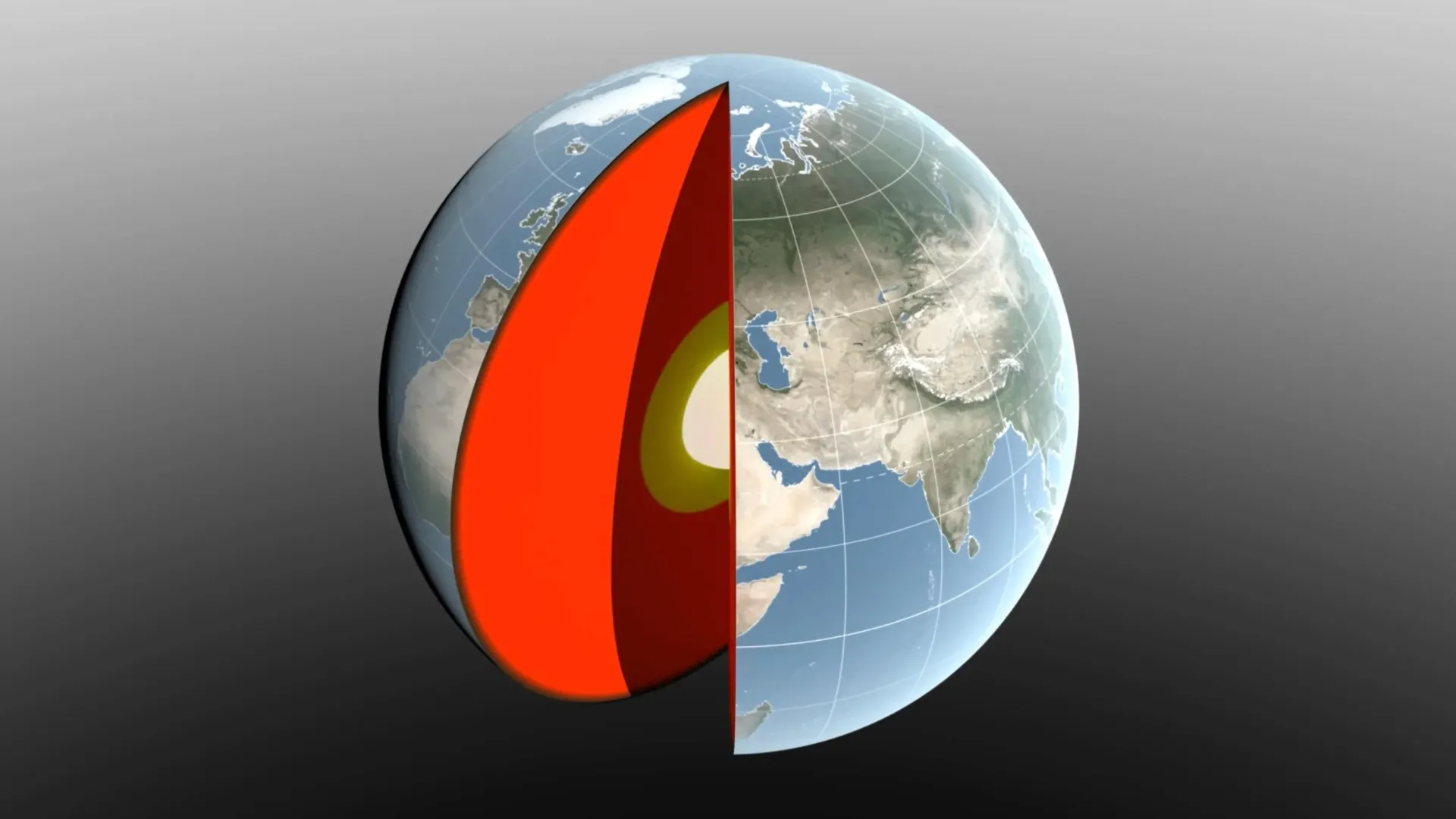
Studying the interiors of planets is essential for understanding planetary formation, evolution, and their ability to potentially host life as we know it. To accomplish this, resea...
Palmer, a professor at the University of Edinburgh and the author of The Atmosphere: A Very Short Introduction (2017), emphasizes that he has not written a textbook, but readers wh...
Five Lamont scientists received major 2026 honors recognizing research on sea-level change, ocean carbon uptake, seafloor mapping and Earth’s deep interior. William B. F. Ryan rece...
Scientists discovered a rock in Papua New Guinea that plunged more than 90 kilometers beneath Earth's surface, revealing a bizarre temperature pattern that challenges established t...
The landscape is something we see every day. It is as familiar as a member of the family, yet we seldom think about how it got to be that way.
A global network of detectors are reporting some of the most substantial measurements yet of neutrinos created deep underground by the radioactive elements that power our planet’s...
In the deepest region of the Earth's mantle, just above the core, much of the material consists of crystals of magnesium oxide. In larger rocky exoplanets called super-Earths, the...
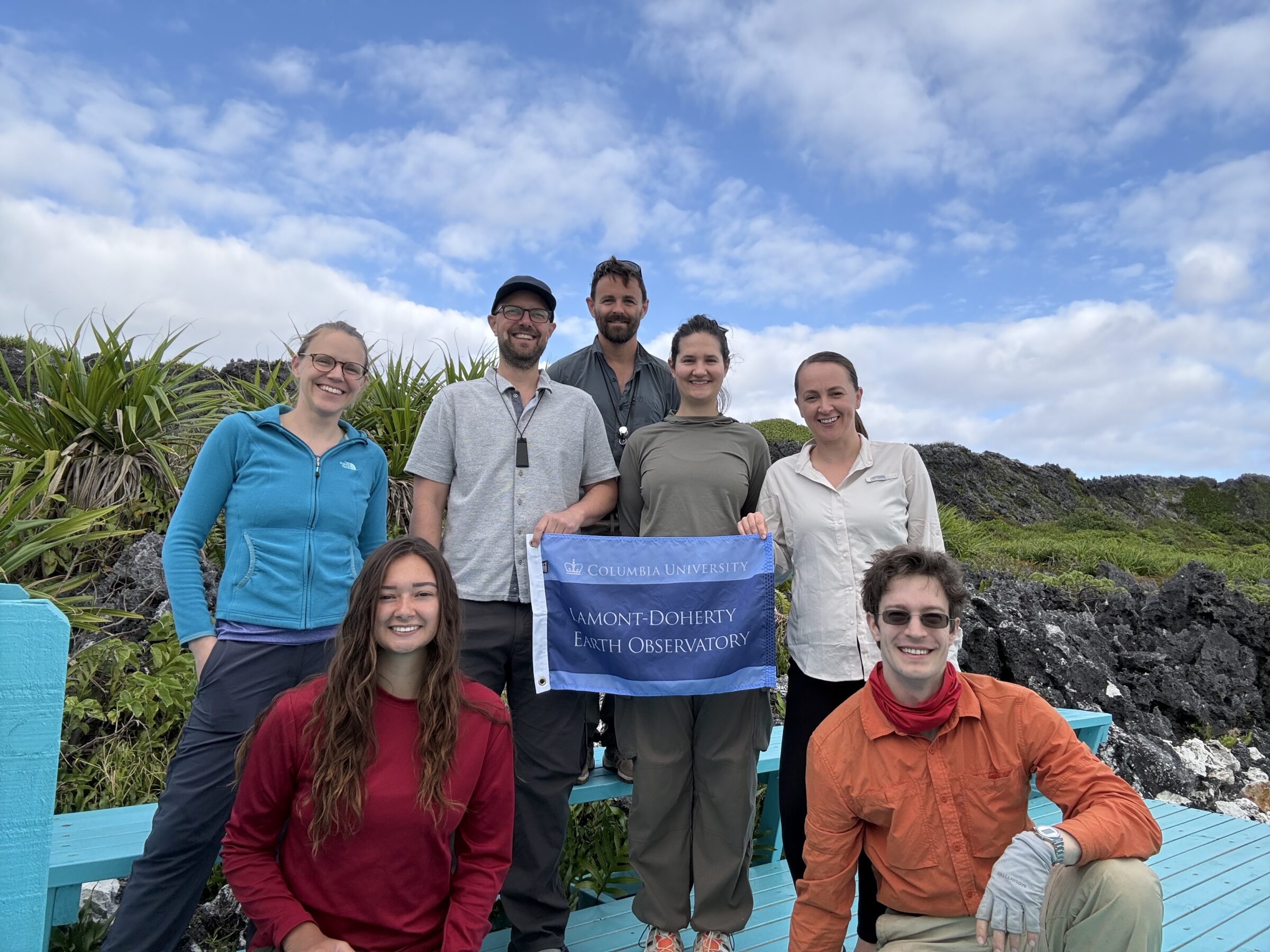
Scientists are studying fossil coral reefs in the Cook Islands to reconstruct sea levels during the Last Interglacial, and hoping to improve projections of future change.
Each month we feature specific Divisions of EGU and during the monthly GeoRoundup we put the journals that publish science from those Divisions at the top of the Highlights section...
Earth’s rocks are missing more than a billion years of history in some places, and the slow rise and fall of continents may explain how those chapters disappeared. A study led by U...
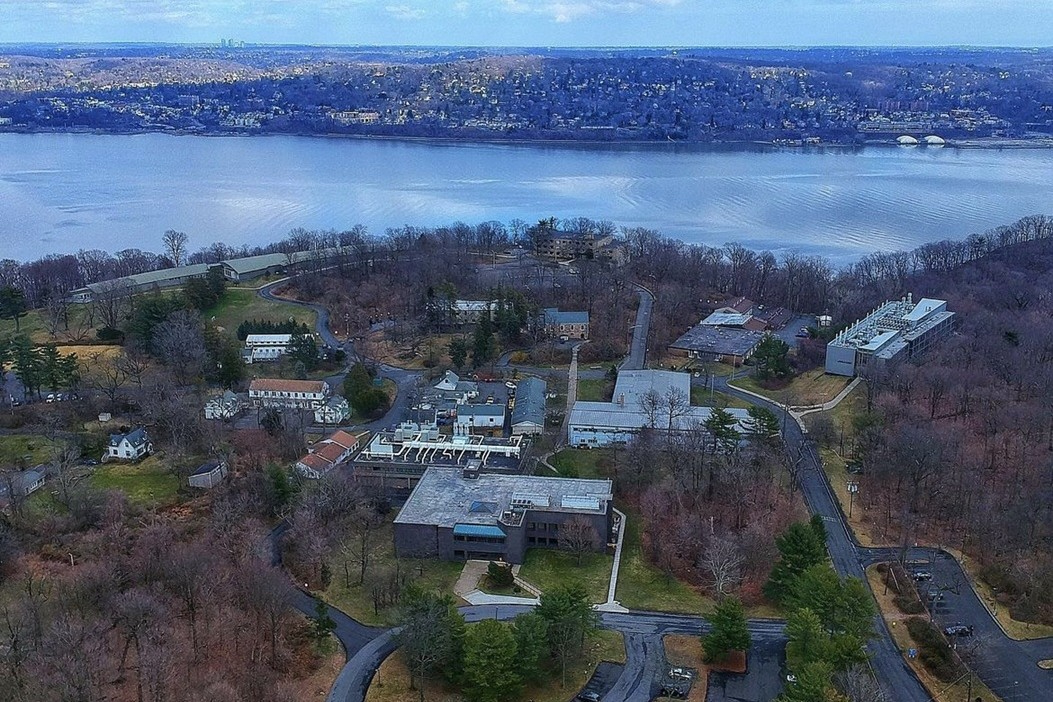
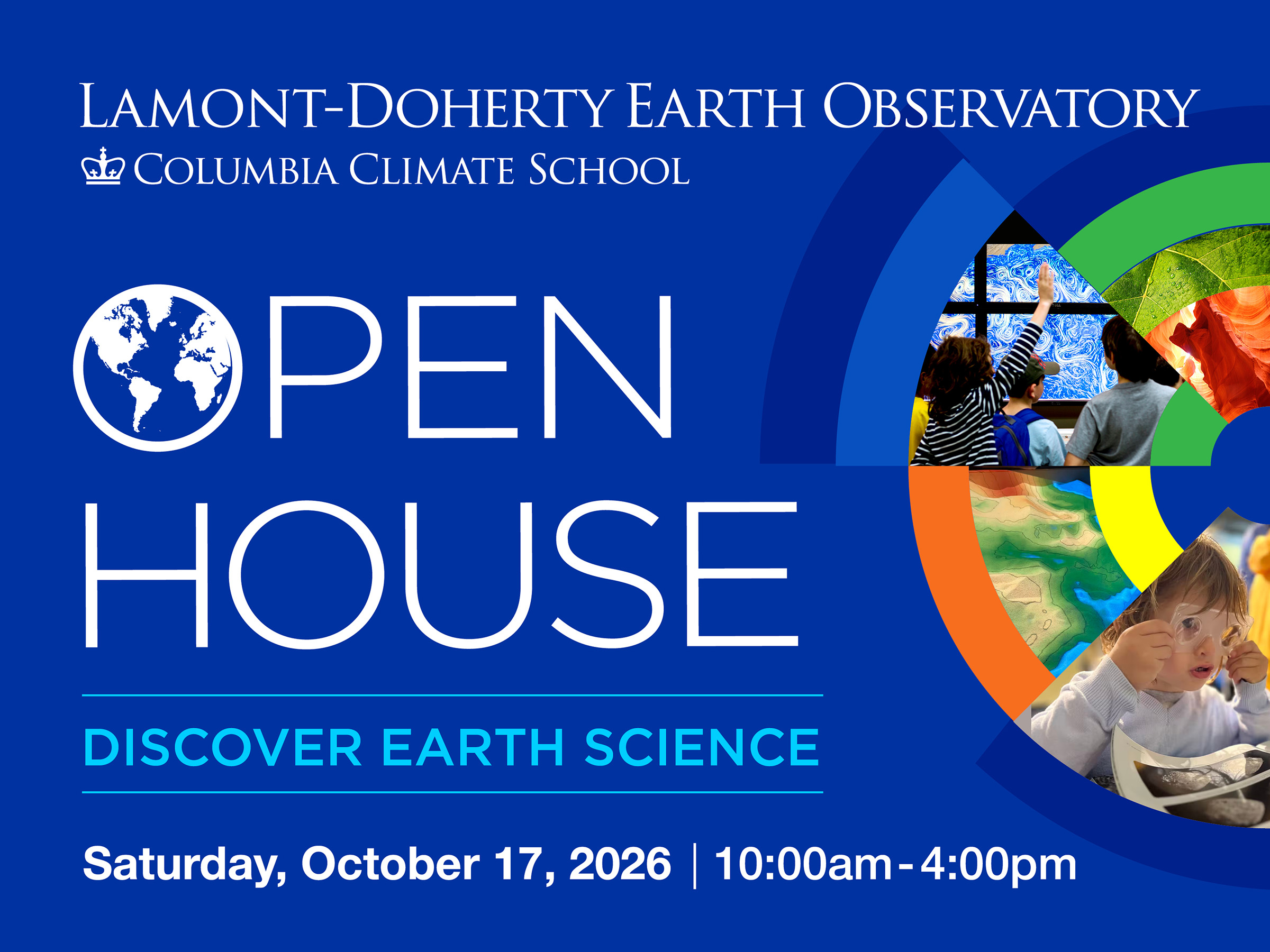
Join Lamont-Doherty Earth Observatory in Palisades, NY, on Saturday, Oct. 17, for a free, family-friendly event. Explore research facilities through lab tours, exhibits, hands-on a...
New research finds that melting ice caps are literally reshaping the planet.
Earth’s center of mass is constantly on the move, shifting by a few millimeters as enormous amounts of water, ice, and even air migrate around the planet with the seasons. NASA sci...
Earth observation has transformed the way organizations understand what is happening across the planet. Satellites and other remote-sensing technologies can collect enormous quanti...
Use SocialBu to discover ideas, generate post drafts, and schedule them across your social channels.